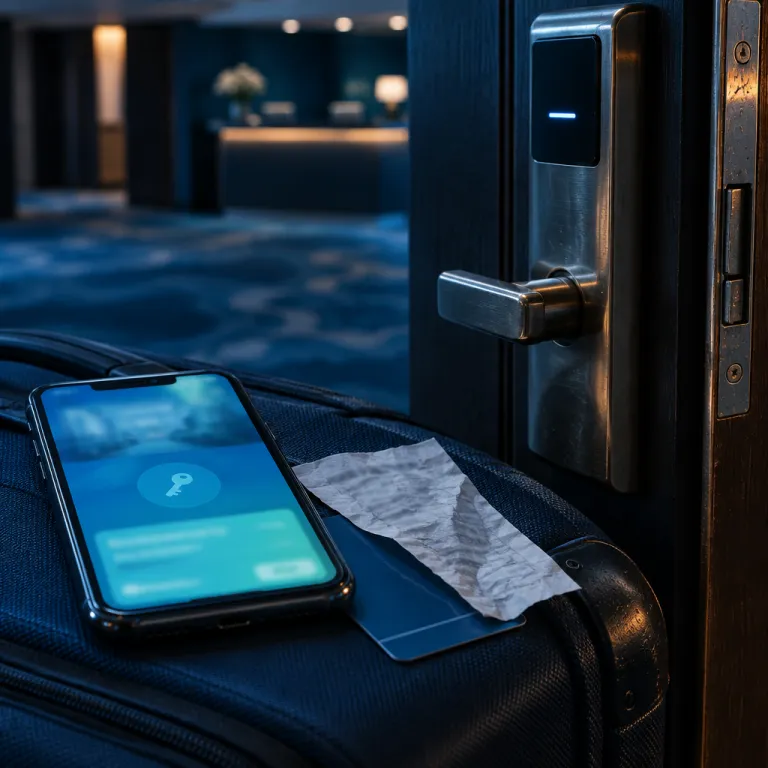
When the ride becomes the room key: redefining the first touchpoint
For many urban travelers, the journey now starts inside a ride hailing screen. The moment a guest orders an Uber or similar app to the airport, the super app quietly becomes the primary travel interface, long before any hotel booking confirmation email is opened. By the time the guest reaches the lobby, the hotel front desk is already the second or even third layer in a longer digital chain.
That shift is the core of the super-app hotel direct booking defense challenge for the hospitality sector. When Uber integrates hotel booking through an Expedia partnership, the guest can select a hotel, confirm the rate, and manage the ride in one continuous flow, while the hotel app and hotel website remain unopened. In this model, hotels risk becoming interchangeable inventory inside super apps, with the guest relationship and guest data controlled by the mobility platform rather than the hotel business.
For airlines, rail operators, and transfer platforms, this same pattern is reshaping intermodal travel management. A traveler who books a train, then an Uber app ride, and finally a hotel booking inside the same app experiences a seamless journey, but the hotel and other suppliers see only fragmented data. The guest expects late checkout, free breakfast, and frictionless airport transfers as one coherent promise, while each independent supplier fights separately for visibility, loyalty, and revenue.
The super-app threat model: from brand to background supplier
Once a guest books a hotel through a super app, the hotel risks being reduced to a background supplier. The guest opens the app to manage the ride hailing, track the driver, and review the hotel booking, while the hotel’s own booking engine and loyalty program sit idle. In this scenario, the super app owns the guest journey, and the hotel becomes a line item in a broader mobility and travel bundle.
Uber’s integration with Expedia, which effectively enables booking Expedia inventory inside the Uber app, illustrates how quickly this can scale. A guest can compare hotels, confirm a rate, and add airport pickup without ever visiting an individual hotel website, which weakens direct bookings and compresses margins through added commission layers. For OTAs such as Expedia, this is an extension of their existing distribution strategy, but for hotels and independent hotels it is a new front in the battle for direct booking and guest data control.
Super apps like Grab, WeChat, or Uber are built for frequency, not just travel, and that is their structural advantage. A guest may open a hotel app a few times per year, but they open ride hailing or food delivery apps several times per week, which means the super app can insert hotel bookings, hotel bookings bundles, and upsell prompts at the exact moment of mobility need. For hotel management teams, the question is no longer whether to participate in these apps, but how to design a super-app hotel direct booking defense that preserves brand equity, revenue quality, and long term loyalty.
For mobility-as-a-service players designing MaaS guest passes, this same logic applies when bundling rides, bikes, and transit into one guest pass that drives ancillary revenue, as analysed in this deep dive on MaaS packages for hotels. When the bundle lives inside a mobility app, the hotel must still find ways to surface its own value, from guaranteed late checkout to curated local transport options that feel more personal than a generic third party offer.
Commission, cannibalisation, and the real cost of super-app demand
Every senior hotel executive now faces a deceptively simple question about super apps. Is the demand coming through Uber, Grab, or other apps truly incremental, or is it cannibalising direct bookings that would otherwise flow through the hotel website and booking engine. The answer determines whether a super-app partnership is a smart distribution strategy or an expensive detour.
Commission structures on super-app hotel booking are often layered on top of existing OTA commission levels. When a hotel participates in booking Expedia inventory that is then surfaced inside the Uber app, the effective commission can exceed classic ota booking costs, especially once marketing fees and promotional placements are added. If that guest would have booked direct, the hotel business is trading lower cost direct booking revenue for higher cost third party revenue, while also losing access to full guest data and pre-arrival upsell windows.
By contrast, some super apps may genuinely open new segments, such as last minute airport hotel bookings for ride hailing users who had not yet chosen a property. In these cases, the commission can be justified as incremental revenue, especially for independent hotels with weaker brand recognition. The key is to segment demand carefully, compare net rate and net revenue across channels, and model the long term impact on loyalty, repeat stays, and ancillary spend, including transport services such as airport transfers or curated road trip access like the seamless hotel access analysed for the drive to Las Vegas from Phoenix in this case study.
For airlines, rail companies, and transfer platforms that also sell hotel booking as part of a package, the same economics apply. They must decide whether to route hotel bookings through OTAs, through super apps, or through direct partnerships with hotels, balancing commission, control over guest data, and the ability to guarantee consistent service quality from the first mile to the last kilometre.
Designing a super-app hotel direct booking defense playbook
A credible super-app hotel direct booking defense starts long before the guest opens a ride hailing app. The objective is to lock in direct booking behaviour early, then layer mobility services around the stay so that the hotel app or hotel website remains the guest’s primary interface. This requires a coordinated approach across loyalty, technology, and mobility partnerships.
First, loyalty programs must reward direct bookings with tangible, transport-adjacent benefits. Late checkout, free breakfast, and guaranteed airport transfer credits can all be positioned as direct booking advantages that super apps and OTAs cannot easily replicate at scale, especially for independent hotels that control their own service design. When a guest knows that booking direct unlocks a better rate, a richer loyalty program, and smoother ground transport, the perceived convenience gap with super apps narrows significantly.
Second, the hotel booking engine and app need to integrate mobility features that rival the convenience of a super app. This can include embedded ride hailing options, pre-booked EV shuttles that charge while guests dine, and real time transfer tracking, all accessible through the hotel app or mobile web. When the guest can manage both hotel bookings and airport transfers in one branded interface, the hotel’s distribution strategy shifts from defensive to proactive, and the front desk becomes the orchestrator of the entire arrival experience rather than a passive check-in point.
Third, hotels should coordinate with airlines, rail operators, and destination management companies to create integrated mobility and accommodation products. As analysed in this piece on how destination management company job openings are reshaping seamless hotel transfers, the most effective ecosystems align incentives across transport and hospitality. When the same partnership écosystème rewards direct booking and delivers reliable transfers, the guest has fewer reasons to default to a generic third party super app.
Owning the journey data: from pre-arrival to last kilometre
Data is the quiet casualty when hotel bookings migrate into super apps. A guest who books a hotel through Uber or another app may arrive with minimal pre-arrival communication, leaving the hotel blind to transport preferences, arrival time, and ancillary needs. That loss of guest data directly erodes the hotel’s ability to personalise the stay and to monetise the journey.
When the hotel controls the direct booking, it can capture structured information about arrival mode, timing, and mobility preferences. This enables targeted offers such as discounted EV parking, bundled airport transfers, or curated local transit passes that align with the guest’s travel pattern, while also feeding better demand forecasts into revenue management and operations planning. By contrast, when the booking flows through OTAs or super apps, the hotel often receives only minimal data fields, which limits both service design and ancillary revenue potential.
To counter this, hotels and mobility partners should build APIs and data sharing agreements that preserve critical journey information even when a third party handles the initial booking. Airlines and rail operators can share arrival data, while transfer platforms can signal real time delays, allowing the hotel to adjust late checkout or pre-arrival room preparation dynamically. Over time, this integrated data layer becomes a strategic asset that supports both super-app hotel direct booking defense and new mobility products, from dynamic airport shuttle routing to personalised in-app recommendations for local transport.
Ultimately, the guest does not care which engine powers the booking, only that the experience feels coherent. Hotels, airlines, and mobility providers that treat the entire journey as one continuous service — from the first ride hailing tap to the final checkout — will be best positioned to defend direct bookings while still leveraging super apps as high frequency discovery and demand channels.
FAQ
How do super apps change the hotel distribution landscape ?
Super apps change hotel distribution by inserting hotel booking into high frequency mobility and payment journeys, such as ride hailing or food delivery. This shifts the guest’s primary interface away from the hotel app or hotel website and toward the super app, which can then control pricing visibility, upsell opportunities, and access to guest data. For hotels, this means that traditional OTA competition is now joined by mobility platforms that can bundle transport and accommodation in a single tap.
Can hotels work with super apps without losing direct bookings ?
Hotels can work with super apps without losing direct bookings if they clearly segment which demand should come through each channel. High value repeat guests and loyalty program members should be steered toward direct booking with exclusive benefits, while super apps can be used to capture incremental, last minute, or low frequency demand. Contract structures, rate parity rules, and targeted marketing all need to support this segmentation to avoid silent cannibalisation of direct bookings.
What role do mobility partners play in defending hotel direct bookings ?
Mobility partners such as airlines, rail operators, and transfer platforms can help defend hotel direct bookings by co-creating integrated products that reward direct channels. Examples include bundled train plus hotel offers that book directly through the hotel website, or airport transfer packages that are only available to direct booking guests. When these partners share journey data and align incentives, they create an ecosystem that competes effectively with generic third party super apps.
How should independent hotels respond to super-app hotel booking features ?
Independent hotels should respond by sharpening their value proposition for direct booking and by selectively using super apps for reach, not reliance. This means offering clear direct booking advantages such as flexible late checkout, tailored local mobility advice, and personalised communication that a super app cannot match. At the same time, they can list on super apps to access new segments, while carefully monitoring commission levels and ensuring that their best rates and packages remain available only through direct channels.
What data is most critical to retain when guests book through third parties ?
The most critical data to retain includes arrival time, transport mode, contact details for pre-arrival communication, and basic preference information such as room type and mobility needs. With this data, hotels can still coordinate airport transfers, adjust check-in and checkout timing, and propose relevant ancillary services. Data sharing agreements and technical integrations with OTAs, super apps, and mobility partners are essential to ensure that this information flows reliably to the property.