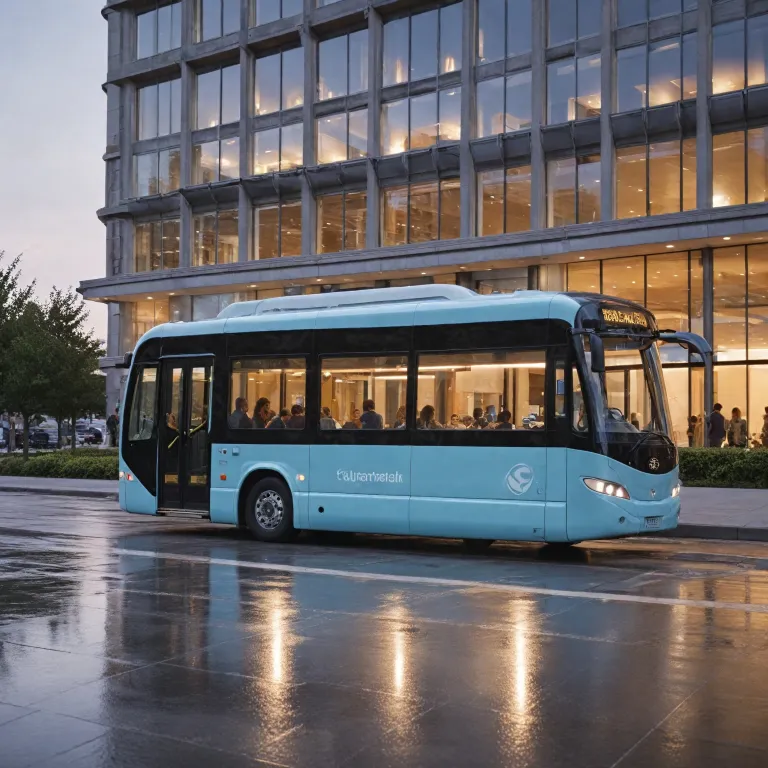
Rethinking first and last kilometer with smart hotels travel tweaks
For airlines, rail operators, and hotel chains, the first and last kilometer to the hotel is now where hotels travel tweaks create the sharpest competitive edge. When travelers land in New York or step off a high speed train in a regional hub, they expect the hotel travel segment to feel as orchestrated as the flight or rail journey, with minimal friction and transparent fees from curb to check in. Hospitality leaders who align mobility partners, booking platforms, and hotel websites around this expectation can turn a stressful transfer into a signature travel experience that strengthens loyalty programs.
In the post pandemic era, Hilton Hotels and other global hotel chains are redesigning hotel stays around wellness, technology, and personalization, yet the transport link often lags behind these innovations. Airlines and ferroviaires that integrate hotel booking and transfer options into a single travel booking flow, with clear cancellation policies and visible hidden fees, help save time and money for both leisure and bleisure travelers. When hotels offer bundled trip products that include rail segments, airport shuttles, and free breakfast, they not only help save money but also create new deals that align with corporate travel tweaks and duty of care requirements.
For mobility platforms and third party transfer providers, hotels travel tweaks start with data sharing and operational discipline. Real time arrival data from flights and trains can trigger dynamic tweaks booking rules, such as automatic reallocation of vehicles or flexible hotel booking windows that avoid no show fees. By aligning credit card payment flows, loyalty programs, and hotel booking systems, partners can reduce manual check steps, cut operational costs, and help save money for both hotels and travelers while elevating the perceived value of every stay.
Designing integrated booking journeys that eliminate hidden fees
True hotels travel tweaks begin inside the booking journey, long before a traveler sees the hotel lobby or transport stand. When booking hotels through airline, rail, or mobility platforms, travelers should see a single, coherent trip view that merges hotel booking, transfer options, and any extra fees into one transparent interface. This approach reduces anxiety, supports better travel experience planning, and allows travel managers to check compliance with corporate policies in real time.
Hidden fees around luggage, late night surcharges, or last minute route tweaks can quickly erode trust in both hotel travel and mobility brands. By surfacing these hidden fees clearly during booking directly on hotel websites and partner platforms, hotel chains and transfer operators can help save money related disputes and protect long term loyalty. Smart hotels offer bundled deals where free breakfast, airport pickup, and flexible cancellation policies are clearly priced, allowing travelers to compare the best options without guessing which hotel stays will generate surprise charges.
For travel managers, integrated hotels travel dashboards that consolidate hotel booking, rail segments, and transfer platforms are among the most powerful hotels travel tweaks. These tools allow them to check average trip costs, monitor discounts from loyalty programs, and identify which hotels offer the best value when considering total travel, not just room rates. When third party intermediaries, airlines, and hotel chains share structured data, they can automate tweaks booking rules that steer travelers toward hotel travel options that save money, reduce emissions, and still deliver a high quality stay.
Leveraging loyalty programs and hotel websites to help save money
As package holiday costs rise, loyalty programs and direct channels have become central to effective hotels travel tweaks. Airlines and rail companies increasingly promote hotel booking through co branded platforms where loyalty programs from hotel chains and carriers interlock, allowing travelers to earn and redeem points on both transport and hotel stays. Sign up for hotel loyalty programs to access exclusive discounts and benefits, and then align these benefits with corporate travel policies so that every trip and every stay contributes measurable value.
Hotel websites and brand apps are also evolving into powerful tools for hotel travel optimization. Book flights and accommodations in advance to secure better deals, then use hotel websites or apps for booking directly, digital check in, and mobile keys that shorten the time between arrival and room access. Use hotel apps for digital check-ins and mobile room keys to streamline your stay, and combine these digital journeys with prebooked transfers so that travelers move from aircraft or train to hotel room with minimal waiting time.
For mobility platforms and third party transfer providers, aligning offers with hotel loyalty programs and credit card partnerships is one of the most effective hotels travel tweaks. Are hotel loyalty programs worth joining? Yes, hotel loyalty programs often offer benefits such as free upgrades, complimentary services, and exclusive discounts, enhancing your overall stay experience. When hotels offer integrated deals that bundle free breakfast, late checkout, and discounted transfers, they help save money for frequent travelers while reinforcing the perception that hotel travel is both efficient and generous.
Operational coordination between mobility actors and hotel chains
Behind every smooth hotel travel experience lies disciplined coordination between airlines, rail operators, mobility platforms, and hotel chains. Rise of 'bleisure' travel combining business and leisure has increased the complexity of itineraries, with travelers extending a work trip into a longer stay that may involve multiple hotels, transfers, and booking channels. Emphasis on wellness and sustainability in hotel offerings also means that transport to the hotel must respect environmental goals, pushing mobility actors to refine their travel tweaks and reduce unnecessary kilometers.
Integration of smart technology in hotel services is now extending into the mobility layer, where APIs connect flight and rail data with hotel booking and transfer dispatch systems. When a delay occurs, tweaks booking rules can automatically adjust pickup times, notify travelers via apps, and update hotel front desks so that check in remains smooth and fees for late arrival are avoided. This orchestration turns hotels travel from a fragmented sequence of bookings into a single, resilient trip that protects both time and money for guests.
For family and group segments, ensuring seamless family friendly transport to hotels requires even tighter collaboration between mobility and hospitality professionals, as outlined in this specialized analysis of seamless transport strategies. By aligning vehicle types, luggage capacity, and hotel stays policies, partners can create hotels offer packages that feel tailored rather than generic. This level of coordination transforms hotels travel tweaks from back office optimizations into visible guest benefits, reinforcing loyalty programs and encouraging travelers to check and book the same brands for their next trip.
Data, wellness, and sustainability as drivers of hotels travel tweaks
Data from airports, rail stations, and hotel booking systems is now the backbone of advanced hotels travel tweaks. In New York and other dense urban centers, understanding arrival peaks at Times Square or major terminals allows mobility platforms to stage vehicles efficiently, reducing waiting time and improving the perceived value of every hotel stay. When hotels offer wellness focused amenities and free breakfast, aligning transfer schedules with check in windows ensures that travelers can immediately enjoy these services rather than losing time in queues.
Post pandemic shifts in traveler preferences toward wellness and personalized experiences have raised expectations for the entire hotels travel chain. Travelers increasingly expect that hotel travel will support their health, with minimal stress, clear information about hidden fees, and options that help save money without sacrificing comfort. Plan ahead by making checklists, stay hydrated, familiarize yourself with hotel amenities, and use digital tools like hotel apps for seamless check-ins, because these habits amplify the benefits of well designed mobility and hotel booking ecosystems.
Sustainability targets are also reshaping hotels travel tweaks, encouraging rail over short haul flights and shared transfers over solo rides. When booking hotels, travel managers can prioritize hotel chains and mobility partners that report emissions data, integrate discounts for low carbon choices, and structure deals that reward greener behavior through loyalty programs. By embedding these criteria into hotel booking platforms and third party tools, the industry can ensure that hotels offer not only the best price but also the most responsible travel experience for every trip.
Bleisure, personalization, and the future of seamless hotel travel
The expansion of bleisure travel offerings has blurred the line between corporate and leisure hotel stays, forcing mobility and hospitality actors to rethink their hotels travel tweaks. 'Bleisure' travel refers to trips that combine business and leisure activities, allowing travelers to mix work commitments with personal relaxation or exploration. As more guests extend a work trip into a weekend stay, hotels offer flexible deals, late checkout, and tailored transport options that respect both corporate budgets and personal preferences.
Personalization is becoming the defining feature of hotel travel, supported by data from loyalty programs, credit card histories, and previous booking hotels behavior. When booking directly on hotel websites or through trusted third party platforms, travelers increasingly expect curated suggestions for transfers, local mobility passes, and free breakfast options that match their profile. For airlines, rail operators, and hotel chains, the best hotels travel tweaks will use this data responsibly to help save money, reduce hidden fees, and design a trip that feels individually crafted.
Looking ahead, the most successful hotels travel strategies will treat mobility, hotel booking, and on property services as one continuous experience. By aligning cancellation policies, fees, and discounts across platforms, partners can ensure that every tweak booking decision supports a coherent, guest centric journey. In this integrated model, hotels travel becomes a strategic lever for airlines, ferroviaires, mobility platforms, travel managers, and hoteliers who aim to elevate every stay while protecting both time and money for their travelers.
Key statistics shaping hotels travel tweaks
- Increase in package holiday costs from previous year : 11.5 % (source : MoneyWeek).
- Number of hotel loyalty program members worldwide : 100 million (source : Wikipedia).
Questions travel professionals also ask about hotels travel tweaks
What is 'bleisure' travel?
'Bleisure' travel refers to trips that combine business and leisure activities, allowing travelers to mix work commitments with personal relaxation or exploration.
How can I ensure a stress-free hotel stay?
Plan ahead by making checklists, stay hydrated, familiarize yourself with hotel amenities, and use digital tools like hotel apps for seamless check-ins.
Are hotel loyalty programs worth joining?
Yes, hotel loyalty programs often offer benefits such as free upgrades, complimentary services, and exclusive discounts, enhancing your overall stay experience.