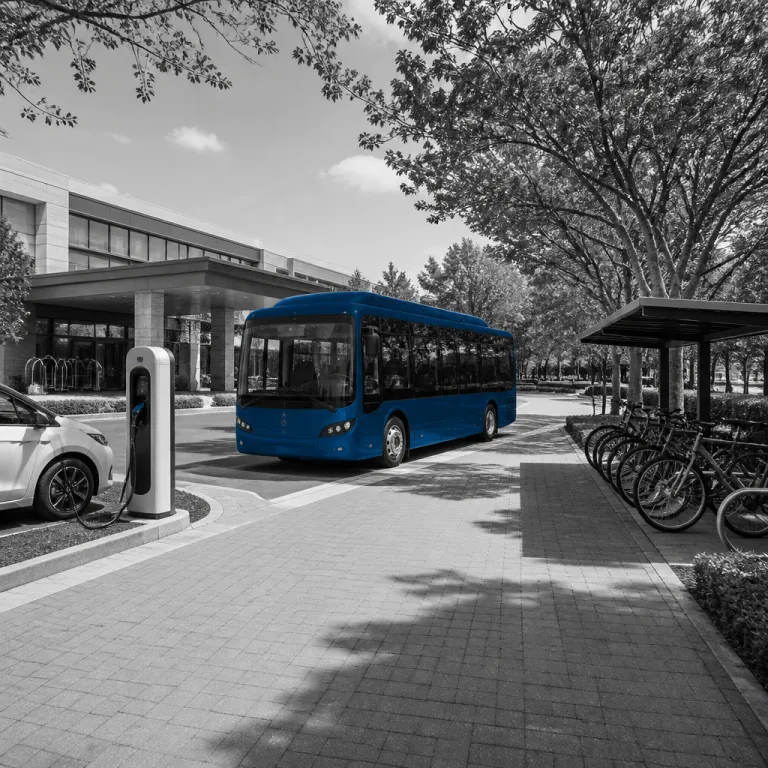
Why green mobility hospitality now sits at the core of ESG strategy
Green mobility hospitality has moved from side project to boardroom KPI. As Scope 3 transportation emissions rise on ESG agendas, every hotel, airline, rail operator and mobility platform is being asked to show how guest travel and transport are managed in a sustainable way. For industry players that orchestrate airport shuttles, rail links, buses and last mile bike options in dense cities, the pressure is no longer abstract but tied to financing, brand value and long term competitiveness.
For hospitality leaders, the question is no longer whether to engage with sustainable mobility but how to operationalise it across complex transportation ecosystems. Airlines, rail companies and transfer platforms now share responsibility for the carbon footprint of the door to door journey, from electric buses at the terminal to public transport connections and electric vehicles waiting at the hotel porte cochère. This shift is reinforcing commitment to measurable sustainability, where every electric bus, hydrogen train pilot or eco friendly bike share scheme must show quantified emissions reductions rather than marketing claims.
Regulators and investors are converging on the same expectation for the industry. ESG frameworks such as GRI, CDP and TCFD require transparent reporting on transportation emissions, which means hospitality and mobility solutions providers must treat guest transport as a managed asset, not an externality. Green mobility hospitality therefore becomes a strategic lever for future mobility positioning, enabling hotels and transport partners to align renewable energy powered fleets, sustainable transport corridors and public transportation partnerships with clear, auditable sustainability outcomes. Guidance from the World Sustainable Hospitality Alliance (WSHA) on the Hotel Carbon Measurement Initiative (HCMI) explicitly recognises transport as a material contributor to a property’s overall carbon footprint and provides a primary reference for hotel carbon accounting.
Building a Scope 3 framework for hotel and transport emissions
To measure transportation Scope 3 emissions credibly, green mobility hospitality needs a shared framework that spans airlines, rail operators, buses, ride hail and hotel owned shuttles. The starting point is to map every mobility touchpoint in the guest journey, from public transport links at the airport to electric vehicles used for premium transfers and the bike or scooter options available near the lobby. This mapping must include both public transportation and private transport, because sustainable mobility performance depends on how guests actually move, not only on what the property owns.
Hotel tech and innovation leaders can adapt existing carbon methodologies to this mobility context. The Hotel Carbon Measurement Initiative (HCMI) from the World Sustainable Hospitality Alliance, originally designed for room and meeting emissions, can be extended with transport specific activity data such as kilometres travelled by electric buses, fuel consumption of legacy buses and passenger kilometres on hydrogen trains. In parallel, tools such as the Green Business Carbon Tracker, documented for use in hospitality and tourism portfolios, help aggregate transportation emissions data from multiple industry players, enabling consistent reporting across hospitality portfolios and mobility solutions partners in different cities, from London to fast growing hubs in India.
Once the framework is defined, data governance becomes critical for a sustainable future. Contracts with transfer platforms, public transport authorities and electric vehicle fleet providers should specify data fields, frequency and privacy policy clauses that allow carbon footprint calculation without compromising guest privacy. For a detailed view on how these frameworks translate into operational guest flows, see this analysis of eco friendly transport to hotels and advancing sustainable mobility for the hospitality sector, which illustrates how future sustainable mobility strategies can be embedded in everyday hospitality operations.
Measurement tools, data flows and automation for green mobility hospitality
Once Scope 3 boundaries are clear, green mobility hospitality becomes a data engineering challenge rather than a sustainability slogan. Hotels and mobility operators need automated data flows that capture transport activity in near real time, from electric bus telematics to public transport ridership estimates and ride hail trip logs. Without this automation, calculating transportation emissions for every stay, meeting and event becomes a manual exercise that no large hospitality group can sustain.
Pragmatic mobility solutions start with what is already measured. Electric vehicles and electric buses typically expose energy consumption through fleet management platforms, which can be linked to renewable energy certificates when charging is powered by green electricity. Public transportation agencies often publish emission factors per passenger kilometre, allowing hotels to estimate the carbon footprint of guests who use metro, tram or buses instead of taxis, while hydrogen trains and low carbon rail services can be integrated through rail operator APIs that provide distance and occupancy data for sustainable transport reporting.
Workshops such as the one hosted in London by the World Sustainable Hospitality Alliance and Green Tourism show how these tools converge in practice. Using the HCMI tool alongside the Green Business Carbon Tracker, participants learn that the average hotel carbon footprint per room per night is 31.1 kg CO2e, a figure reported in WSHA’s public guidance, and then explore how green mobility initiatives can reduce the transportation share of that number. The event’s guidance on measuring and reporting transportation carbon footprints in hospitality is delivered through presentations, hands on workshops and Q&A sessions, giving industry players a clear path to automate future mobility reporting while keeping data collection easy for operational équipes.
Reporting standards and how to align transport data with ESG frameworks
For green mobility hospitality to influence capital allocation, transportation emissions must be reported in formats that investors and regulators recognise. GRI, CDP and TCFD each frame sustainable mobility slightly differently, yet all expect transparent methodologies, consistent boundaries and clear commentary on how transport decisions affect the overall carbon footprint. Hotels, airlines, rail operators and transfer platforms therefore need shared definitions of what counts as guest related transportation, from airport shuttles to public transport incentives and bike share partnerships.
Under GRI, transportation emissions linked to guest travel typically sit in Scope 3 categories such as business travel, employee commuting and downstream leased assets, which for hospitality can include franchised properties and outsourced mobility services. CDP questionnaires push industry players to quantify emissions reductions from specific initiatives, such as switching from diesel buses to electric buses, investing in hydrogen trains on key corridors or promoting public transportation over private cars through bundled ticketing. TCFD, with its focus on financial risk, encourages commentary on how future mobility trends, such as the rise of electric vehicles in India’s major cities or the expansion of renewable energy powered rail, could affect long term asset values and operating costs.
To align with these standards, reporting teams should build a transport specific annex to their ESG disclosures. This annex can detail sustainable transport initiatives, from eco friendly electric bus fleets to mobility solutions that integrate public transport passes into room packages, and quantify their impact on emissions and revenue. Clear, concise comment sections should explain assumptions, such as occupancy rates on buses or modal split between taxis and public transportation, while reinforcing commitment to a sustainable future by linking mobility investments to corporate climate targets and guest expectations for green travel experiences. A simple worked example can help: if a hotel knows that 1,000 guest trips used a shuttle bus for an average distance of 15 km, and the relevant emission factor is 0.18 kg CO2e per passenger kilometre, then total emissions are 1,000 × 15 × 0.18 = 2,700 kg CO2e, a calculation that can be replicated across other modes.
Turning EV charging, green fleets and micromobility into measurable offsets
Green mobility hospitality becomes tangible for guests the moment they see an electric shuttle waiting at arrivals or an EV charging bay glowing quietly beside the porte cochère. For hotel CTOs and mobility managers, these same assets are also data points that can offset transportation emissions when measured correctly. Electric vehicles, electric buses and even bikes in a micromobility scheme all contribute to a lower carbon footprint per guest, provided the electricity is backed by renewable energy and the usage is tracked with enough precision.
Several European hotel groups now treat EV charging infrastructure as both guest amenity and emissions reduction engine. When a guest charges an electric car using certified renewable energy, the hotel can attribute avoided emissions compared with a conventional vehicle, and in some jurisdictions claim carbon credits that offset other parts of the transportation portfolio. In other markets, however, rules on carbon credits, guarantees of origin and double counting are still evolving, so hotels must follow local regulatory guidance and, where necessary, seek assurance from independent verifiers before treating avoided emissions as tradable offsets. The same logic applies to replacing diesel buses with electric buses on airport routes, or partnering with rail operators running hydrogen trains, where the shift from fossil fuel based transport to sustainable mobility can be quantified and reported as part of a broader sustainable future strategy for the hospitality industry.
Micromobility adds another layer of opportunity for future mobility positioning. Offering easy access to bikes and scooters encourages guests to choose eco friendly options for short trips in cities, reducing demand for high emission taxis and private cars. When these mobility solutions are integrated into booking flows and guest apps, hotels can nudge behaviour, track usage and later comment in ESG reports on how many kilometres of public transport and bike journeys replaced car rides, reinforcing commitment to long term decarbonisation while keeping the guest experience smooth and aspirational rather than punitive.
Guest communication, data ethics and benchmarking the leaders
Even the most advanced green mobility hospitality strategy fails if guests do not understand or trust it. Communication must translate complex transportation emissions data into simple, human centric narratives that explain why public transport options, electric vehicles and bikes are offered, and how they contribute to a sustainable future. At the same time, hotels and mobility partners must respect privacy policy commitments when using travel and transport data to personalise offers or calculate carbon footprints.
Leading hotel groups now present mobility choices at booking, check in and pre arrival stages, framing them as easy upgrades to a greener stay rather than cost saving measures. A pre arrival email might highlight electric bus shuttles from the airport, public transportation passes bundled with the room, or curated bike routes that connect guests to key neighbourhoods, all while linking to a clear explanation of how transportation emissions are measured. For a deeper operational perspective on how these touchpoints shape the guest journey, see this guide to enhancing the guest journey with hotel pickup and seamless transportation solutions, which shows how mobility can become a signature element of hospitality rather than an afterthought.
Benchmarking remains essential for industry players that want to stay ahead of regulation and guest expectations. The World Sustainable Hospitality Alliance notes that the average hotel carbon footprint per room per night is 31.1 kg CO2e, while research such as the Booking.com Sustainable Travel Report indicates that around 70 % of travellers now consider sustainability in their choices. In this context, the workshop guidance that “What is the HCMI tool? A free methodology for hotels to calculate their carbon footprint.”, “How can hotels reduce transportation emissions? By promoting public transport and using energy-efficient vehicles.” and “Why is carbon reporting important in hospitality? It helps track and reduce environmental impact, meeting guest expectations.” becomes a practical checklist for any brand aiming to lead on green mobility hospitality rather than follow.
Key statistics for green mobility hospitality and transport emissions
- The average hotel carbon footprint per room per night is 31.1 kg CO2e according to the World Sustainable Hospitality Alliance, which means transportation initiatives can materially shift total emissions when scaled across large portfolios.
- Approximately 70 % of travellers consider sustainability in their choices based on the Booking.com Sustainable Travel Report, reinforcing commitment from hotels and transport partners to invest in sustainable mobility and eco friendly transport options.
- Workshops focused on transportation carbon footprints in hospitality report increased adoption of carbon measurement tools, signalling that industry players now see mobility data as core to ESG reporting rather than a niche topic.
- Guidance from the World Sustainable Hospitality Alliance and Green Tourism emphasises that promoting public transportation and using energy efficient vehicles are among the most effective short term levers for reducing guest related transport emissions.
- As regulatory requirements for carbon reporting tighten across major markets, hotels with EV charging and low emission shuttle fleets are better positioned to claim emissions reductions and, where regulation allows, potential offset credits against guest transportation impacts.
FAQ: measuring and reporting transportation carbon footprints in hospitality
How should a hotel define the boundaries of transportation Scope 3 emissions ?
A hotel should include all guest related and employee related transport that it influences, even if it does not own the vehicles. This typically covers airport shuttles, contracted transfer services, recommended public transport routes, staff commuting programmes and partnerships with airlines, rail operators or mobility platforms. Clear boundaries make it easier to collect data from each partner and avoid double counting with other industry players.
Which tools can hotels use to calculate transportation emissions accurately ?
Hotels can start with the Hotel Carbon Measurement Initiative (HCMI) for core property emissions and then extend it with transport specific activity data such as kilometres travelled and fuel or electricity use. Platforms like the Green Business Carbon Tracker help aggregate data from buses, electric vehicles, public transportation and rail services into a single dashboard. The key is to combine reliable emission factors with automated data feeds from fleet systems, booking engines and mobility partners.
How can EV charging and green fleets offset guest transportation emissions ?
When guests or shuttles use electric vehicles powered by renewable energy, the associated emissions are significantly lower than those from conventional vehicles. Hotels can calculate the avoided emissions by comparing electric energy use with a baseline internal combustion scenario, and in some regions claim credits or offsets. These reductions can then be reported in ESG disclosures as part of a broader green mobility hospitality strategy.
What role does public transport play in green mobility hospitality ?
Public transport often has lower emissions per passenger kilometre than private cars or taxis, especially in dense cities with high occupancy rates. By promoting metro, tram, rail and buses through bundled tickets, wayfinding and guest communication, hotels can shift a meaningful share of trips to more sustainable modes. These modal shifts can be estimated using ridership data and included in Scope 3 reporting as emissions reductions.
Why is transparent communication about transportation emissions important for guests ?
Transparent communication helps guests understand the impact of their travel choices and builds trust in a hotel’s sustainability claims. When hotels explain how transportation emissions are measured, which mobility solutions are offered and how guest data is protected under a clear privacy policy, they reduce the risk of greenwashing accusations. This openness also encourages guests to choose greener options, amplifying the impact of investments in sustainable transport and future mobility infrastructure.