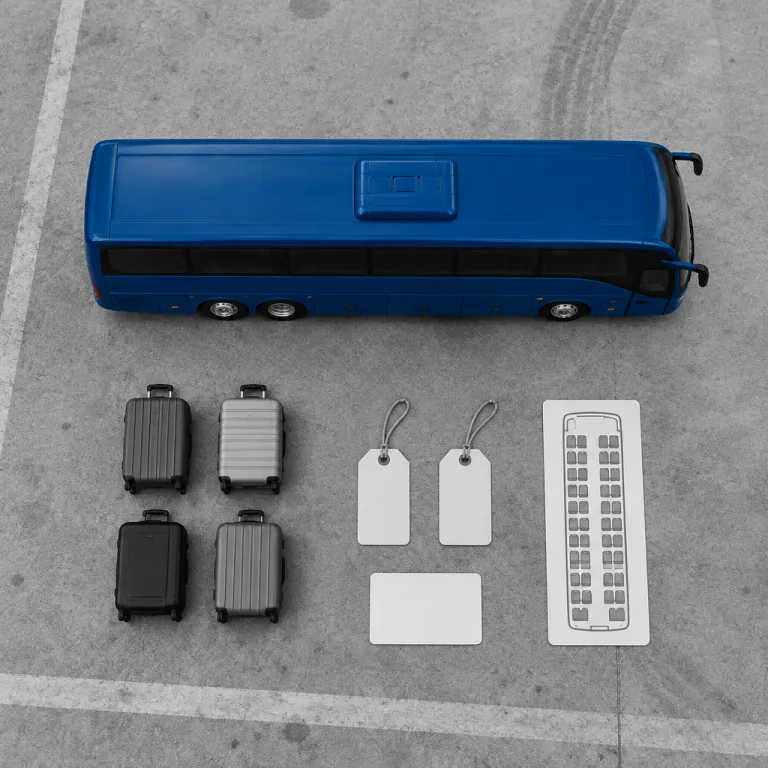
Why 56 seat sports transport coaches suit airport to hotel mobility
For airport and rail operators, the 56 passenger sports transport coach format has become a strategic asset. A single large motorcoach can replace several smaller vehicles, simplifying transportation lines between terminals, stations, and hotel clusters while reducing congestion. This scale matters when a sports team, incentive group, or airline crew must travel together and arrive at the hotel as one coordinated group.
When you deploy a 56 seat charter coach for hotel transfers, you gain a predictable unit of capacity that fits most large groups without overcommitting fleet resources. Travel managers appreciate that one full size bus can handle both corporate passengers and sports teams, with enough interior passenger space for luggage, equipment, and branding opportunities. For hôteliers, aligning shuttle schedules with train and flight arrival lines ensures that group transportation feels like a seamless extension of the guest journey rather than an afterthought.
Compared with smaller shuttles or a fragmented school bus style fleet, modern motorcoaches in this segment offer a higher level of comfort and luxury. The typical traveller now expects reclining seats, individual power outlets, and a quiet interior passenger environment that supports work or rest during long distance transfers. When passengers step from a premium cabin or first class rail coach into a well specified passenger charter vehicle, the perceived value of the entire trip remains consistent.
Designing shuttle and shared mobility around group travel demand
Shuttle and shared mobility strategies work best when they are built around real group travel patterns rather than abstract averages. Airlines and rail companies can analyse booking data to predict when large group arrivals will require a dedicated passenger coach or multiple buses to protect on time performance. By aligning charter capacity with these peaks, operators avoid both empty seats and stranded passengers.
For travel managers, the ability to secure a tailored bus rental for a large group is now a differentiating service element. Instead of relying on ad hoc taxis, they can request quote options for charter buses that match specific sports events, corporate meetings, or school trips, then integrate those options into the overall travel policy. This approach turns what used to be a fragmented transportation system into a coherent network of coach services that link airports, stations, and hotels with predictable reliability.
Shared mobility platforms are also reshaping how hotel ground transport is procured and priced for group transportation. Competitive tenders and strategic bus bids allow mobility actors to compare charter, rental, and scheduled lines in a single framework, as explained in detail in this analysis of how strategic bus bids are reshaping hotel ground transport and shared mobility. When these platforms factor in the specific features of 56 passenger sports transport vehicles, such as luggage capacity, reclining seats, and power outlets, they can match each large group with the right vehicle type and service level.
Comfort, safety, and on board features for sports and corporate guests
Comfort on a 56 seat passenger coach is no longer a luxury extra; it is a baseline expectation for both corporate travellers and sports teams. Modern charter buses in this category typically offer reclining seats, air conditioning zones, and individual power outlets that allow passengers to charge devices during long distance transfers. These features transform what used to be dead travel time into productive or restorative time between the airport, station, and hotel.
For sports teams, the interior passenger layout of 56 passenger sports transport coaches must balance seating density with space for medical kits, nutrition, and coaching staff. A well designed team bus can provide a clear view line for staff to monitor players, while overhead racks and underfloor holds protect equipment from damage. When a large group travels together after a late match or long flight, the ability to dim lighting, recline seats, and maintain a quiet environment directly affects recovery and performance at the next event.
Corporate groups have similar expectations, but with a stronger focus on connectivity and privacy during group travel. Operators such as those highlighted in this case study on how a specialised bus rental company elevates hotel ground transport show how tailored bus rentals can integrate Wi Fi, meeting style seating zones, and branded interiors. In one example, a technology firm used a customised coach to host pre-event briefings during transfers, turning a 45 minute airport to hotel journey into a mobile meeting room. When travel managers request quote packages, they increasingly ask for detailed information about safety systems, driver training, and on board features, because these elements shape both guest satisfaction and corporate duty of care.
Operational integration between airlines, rail, hotels, and mobility platforms
Aligning 56 passenger sports transport buses with flight and rail schedules requires precise operational coordination. Airlines and rail operators must share arrival data with mobility platforms and hôteliers so that each charter coach is positioned at the right time and gate. When this coordination works, passengers move from aircraft or train to bus in minutes, with minimal waiting and clear wayfinding.
For hotels, the challenge lies in synchronising check in processes with the arrival of large groups transported by charter buses. A single 56 seat bus passenger arrival can overwhelm a small lobby if staffing and digital pre check in are not aligned with the transportation system. Travel managers can mitigate this by sharing rooming lists and arrival times in advance, allowing hotels to stage key cards, luggage tags, and welcome desks that match the flow of passengers from the bus to the front desk.
Mobility platforms act as the connective tissue between these actors, aggregating demand for bus rentals and school trips alongside corporate charters and sports teams transfers. They can route vehicles dynamically to serve both airport to hotel and inter hotel lines, maximising utilisation of each large vehicle. When platforms integrate real time tracking and communication tools, passengers gain a clear view of pick up points and estimated arrival times, which reduces anxiety and improves the perceived quality of the entire travel chain.
Technology, connectivity, and guest experience on 56 seat coaches
Digital technology has become central to the value proposition of 56 passenger sports transport buses in hotel ground transport. Passengers now expect to board a charter coach and immediately connect to Wi Fi, locate power outlets, and access information about their hotel or event. For airlines and rail operators, extending their digital ecosystem onto the coach allows them to maintain brand continuity beyond the terminal or station.
Travel managers increasingly evaluate bus rental partners based on the robustness of their onboard connectivity and information systems. A modern passenger coach can host seat back screens, QR codes linking to hotel check in, and audio systems that support multilingual announcements for international passengers. For a large group, these features reduce confusion, support duty of care obligations, and create a more personalised experience even within shared mobility.
Questions about the reliability of Wi Fi on charter buses, especially during long distance airport to hotel transfers, are frequent among corporate buyers. Detailed guidance on this topic is available in this analysis of how reliable Wi Fi is on coach buses for airport to hotel transfers, which outlines the technical constraints and realistic performance benchmarks. When mobility actors align their technology investments with these benchmarks, they can set accurate expectations in every request quote and avoid overpromising on digital features that the system cannot consistently deliver.
Use cases : sports teams, school trips, and mixed purpose charters
Sports teams remain one of the most demanding user groups for 56 passenger sports transport buses in the hotel segment. A professional équipe may require multiple charter coaches to separate players, staff, and VIP guests, while amateur teams often consolidate into a single large motorcoach for cost efficiency. In both cases, the need for secure storage, flexible seating, and reliable long distance performance shapes the specification of each passenger vehicle.
School trips present a different operational profile, often mixing traditional school bus services with higher comfort charter buses for longer journeys. Safety systems, seat belts, and clear supervision lines are critical when transporting young passengers from airports or rail stations to educational hotels or campus style accommodations. Travel managers working for educational institutions must balance budget constraints with the benefits of luxury features such as reclining seats and power outlets, especially on overnight or cross border travel.
Mixed purpose charters, where a large group includes both corporate delegates and family members, are increasingly common in the hospitality sector. Operators must configure bus rentals to handle varied luggage, strollers, and sometimes sports equipment, while still maintaining a calm interior passenger environment. In these scenarios, the flexibility of 56 seat buses allows mobility actors to allocate some charter vehicles to premium services and others to high density group transportation, without fragmenting the overall transportation system.
Key statistics for 56 seat sports transport coaches in hotel mobility
- Industry analyses of airport access corridors suggest that a single full size coach can replace several dozen private cars on approach roads, significantly reducing congestion and emissions on hotel routes. Exact figures vary by occupancy rate and local travel patterns.
- Surveys of corporate travel managers, including those published by the Global Business Travel Association, indicate that a substantial share now includes charter bus options in preferred ground transportation programs for meetings and events, and that this share has been rising over the past decade.
- Data compiled by the American Bus Association and other trade bodies show that modern motorcoaches achieve very high passenger kilometres per litre of fuel per bus passenger compared with many other motorised modes, making them one of the most efficient options for long distance group travel.
- Research commissioned by the European Commission on tourism mobility reports that group transportation by coach can significantly reduce per capita CO₂ emissions compared with individual car use for comparable intercity journeys, especially when vehicles operate at high load factors.
FAQ : 56 seat sports transport coaches for airport to hotel transfers
How many passengers can a 56 seat coach comfortably carry with luggage ?
A 56 seat coach is designed to carry 56 seated passengers plus the driver, with underfloor luggage bays sized for typical airline baggage. For sports teams or large groups with bulky equipment, operators may reduce the effective capacity to around 45 to 50 passengers to ensure safe storage. Travel managers should always share luggage details when they request quote options for charter buses.
When should airlines or hotels choose a 56 seat coach instead of smaller buses ?
A 56 seat coach is most efficient when serving large group arrivals or departures that are already consolidated by flight or train. Airlines, rail operators, and hotels should use these buses when they expect at least 35 to 40 passengers travelling to the same destination within a narrow time window. For smaller flows, shuttle vans or mid size buses may offer better frequency and flexibility.
Are 56 seat coaches suitable for both corporate groups and school trips ?
Yes, the same vehicle platform can serve corporate groups, school trips, and sports teams, provided that the interior passenger configuration and safety equipment match the use case. For school bus style operations, seat belts and clear supervision lines are essential, while corporate charters may prioritise Wi Fi and power outlets. Many operators maintain mixed fleets of buses to adapt quickly to different charter profiles.
What are the key comfort features to request on a 56 seat charter bus ?
For airport to hotel transfers, travel managers typically request reclining seats, air conditioning, power outlets, and Wi Fi as standard comfort features. On longer journeys, onboard toilets, reading lights, and enhanced luggage capacity become more important, especially for large groups or long distance sports travel. Clarifying these needs in the initial request quote helps operators match the right buses to each group.
How do 56 seat coaches support sustainability goals in hospitality mobility ?
Because a single large coach can replace many private cars or taxis, it significantly reduces emissions per bus passenger on airport and rail access routes. Hotels and mobility actors that prioritise group transportation by coach can lower their carbon footprint while maintaining high service levels. Communicating these benefits to guests also supports broader corporate sustainability narratives in the travel and hospitality sector.