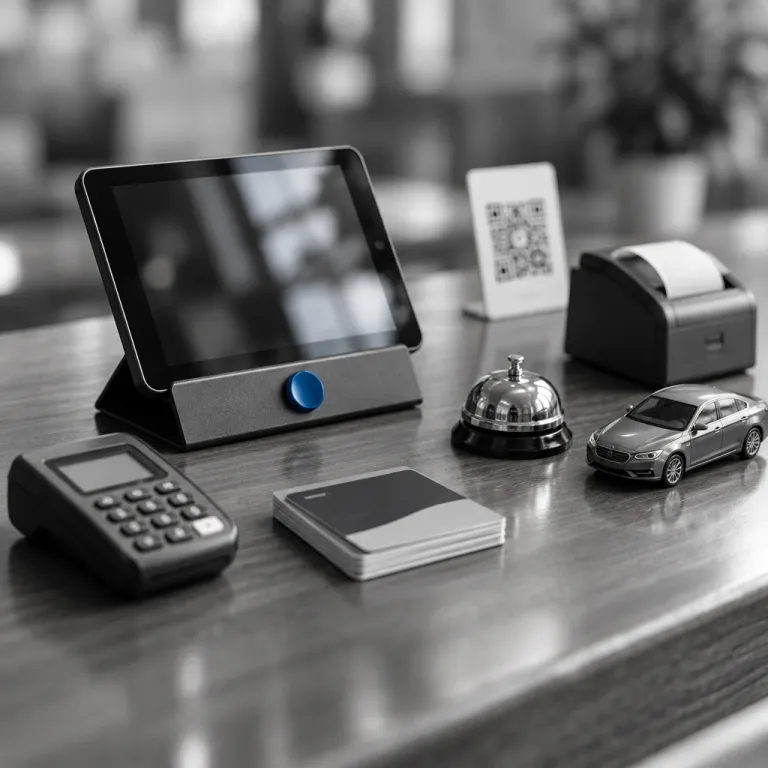
From lobby QR code to owned mobility layer
Most hotels have let the ride moment slip into someone else’s app. When the ride button lives outside the hotel PMS ride booking integration, the property gives away guest attention, transport data, and a slice of ancillary revenue to third party systems. For a sector obsessed with revenue management and guest satisfaction, that is a quiet but costly surrender.
Embedding ride booking directly into the hotel PMS turns a generic transfer into a branded service layer that starts at the front desk and follows the guest to the room. When the same management system that allocates the room and posts minibar charges can also trigger a car, shuttle, or rail connection in real time, mobility becomes part of hotel management rather than an afterthought. This is where a modern cloud based property management platform, whether a cloud PMS from Mews or Opera Cloud from Oracle Hospitality, stops being back office plumbing and starts orchestrating the full journey between airport, station, and property.
Think about what happens when a guest asks for a ride at independent hotels that still rely on lobby QR codes. The staff member points to a poster, the guest opens a ride hail system on their own device, and the hotel never sees the booking, the spend, or the guest profiles linked to that transport activity. In contrast, a hotel PMS ride booking integration allows the front desk to trigger a car from an integrated PMS screen, attach the service to the room folio, and feed the resulting data into revenue management and property management analytics.
For airlines, rail operators, and mobility platforms, this shift changes the distribution channel for ground transport. Instead of treating hotels as passive pick up points, they can plug into a pms channel where the property management system becomes an active distributor of rides, shuttles, and even micro mobility services. The result is a tighter operational link between flight or train arrival data and hotel operations, with automation that can pre stage vehicles when a delay hits and notify staff in real time when a high value guest is on the way.
Owning the ride button also reframes the economics of airport transfers and in destination mobility. When the hotel pms captures each booking as a line item, revenue from rides can be shared transparently with mobility partners and evaluated alongside room revenue, food and beverage, and meeting space. Over time, hotels and multi property groups can use this integrated PMS data to negotiate better terms with transport providers, adjust pricing by channel, and design packages where the room, breakfast, and station transfer are sold as one coherent product.
There is a guest experience dividend as well. A hotel that uses a cloud PMS with strong pms integration capabilities can pre configure preferred routes, vehicle types, and accessibility needs inside guest profiles, so that the same mobility preferences follow the traveller from city to resort within a multi property portfolio. When the management system knows that a frequent flyer always arrives on the late train and prefers an electric sedan, the operations équipe can automate that service without another form or QR code in the lobby.
Three capabilities that turn referral into ownership
Owning the ride button is not about building a rival to global ride hail apps. It is about using hotel PMS ride booking integration to control three specific capabilities that separate a true service from a simple referral link. Those capabilities are folio level charging to the room, guest app based dispatch, and staff initiated booking from operational systems.
Folio integration is the foundation, because charging the ride to the room folio keeps the transaction inside the hotel pms and its property management workflows. When a guest can step out of the car and walk straight to the elevator while the charge flows automatically into the management system, the perceived quality of service rises and the front desk workload falls. This is where integrated PMS design matters, since the same automation that posts a late checkout fee should be able to post a station transfer without manual re entry of data by staff.
Guest app dispatch is the second capability, and it is where airlines, railways, and mobility platforms start to see strategic value. A hotel that already runs a branded app connected to its cloud PMS can embed a ride button that talks directly to the pms integration layer, rather than sending the guest to a third party marketplace. For a deeper view on how a branded mobility layer can live inside the hotel app, the analysis on designing a branded urban mobility layer for city hotels shows how property management and mobility systems can share guest profiles and operational triggers.
The third capability is staff initiated booking from operational screens, which changes the role of the concierge and the front desk. Instead of juggling phones, paper logs, and external apps, the équipe can use a single management system interface to request vehicles, track arrival times in real time, and update the guest when traffic or rail disruptions hit. For technology leaders planning their roadmap, the mobility and transport tech sessions highlighted in the HITEC mobility and transport preview underline how PMS vendors are opening APIs so that ride partners can plug directly into property management and channel manager ecosystems.
These three capabilities only work when the underlying systems are aligned. A cloud based hotel management stack that combines a cloud PMS, a flexible channel manager, and a robust pms channel for integrations will handle ride booking with the same discipline as room distribution. In practice, that means the hotel pms can treat a transfer as a bookable service with inventory, pricing rules, and revenue management logic, rather than a miscellaneous charge that disappears into the ledger.
Vendors like Mews, Opera Cloud from Oracle Hospitality, and other cloud PMS providers are moving in this direction by exposing APIs that let mobility partners become first class citizens inside the property management environment. For independent hotels, this opens the door to hotel PMS ride booking integration without commissioning a custom system from scratch, because the integrated PMS can host certified ride partners in a marketplace style model. The key is to insist that any pms integration supports room folio posting, guest profile enrichment, and operational status updates in real time, not just a deep link to an external app.
When these conditions are met, the guest experience changes in subtle but powerful ways. The guest no longer needs to explain their room number, loyalty status, or accessibility needs to a driver who sees them as just another app user, because the management system has already passed the relevant data through secure channels. Staff can focus on service rather than troubleshooting, and hotels can measure the impact of mobility on guest satisfaction scores and ancillary revenue with the same precision they apply to room and channel performance.
Liability, cost, and the concierge in a native ride world
Once a hotel moves from referral to hotel PMS ride booking integration, the legal and operational questions become sharper. If the property is the booking party inside its own management system, it carries a clearer duty of care for the ride, the driver, and the guest. That reality makes some independent hotels hesitate, especially when they already feel stretched by compliance, insurance, and staff training.
The answer is not to retreat to lobby QR codes, but to choose mobility partners and PMS integrations that handle liability with the same rigor as room distribution. When a ride is booked through an integrated PMS, the contract between the hotel and the mobility provider should define insurance coverage, incident reporting, and service level agreements as clearly as any channel manager agreement. For travel managers and corporate buyers, this clarity is an asset, because they can audit the full chain from airline or rail ticket to hotel room to ground transfer in one set of data.
Integration cost is the second counter argument, especially for smaller properties and regional hotel groups. A bespoke connection between a legacy on premises PMS and a single ride platform can be expensive to build and maintain, which is why cloud based property management and cloud PMS ecosystems are so important. When the hotel pms runs on a platform like Opera Cloud or Mews, the pms integration for ride services can be reused across multiple properties, with automation that reduces manual work at the front desk and in back office operations.
There is also the question of whether guests even want to book rides through hotels when they already trust their own apps. The answer is nuanced ; frequent travellers will keep their preferred ride hail system for everyday trips, but they value a hotel managed transfer for complex journeys, late arrivals, or unfamiliar destinations. Case studies on seamless transfers, such as the analysis of guest centric journeys from airport to resort in Southwest Florida on designing seamless guest centric transfers, show that guests reward hotels that take ownership of the stressful legs of the trip.
For the concierge, native ride booking inside the property management system is less about losing control and more about gaining better tools. Instead of relying on personal phone contacts and handwritten logs, the concierge can use the same hotel management system as the front desk to schedule cars, track delays in real time, and update guest profiles with mobility preferences. Over time, this operational discipline turns anecdotal knowledge into structured data that feeds guest experience design, revenue management, and even airline or rail partnerships.
Multi property hotel groups can go further by centralising some mobility operations in a shared service centre. When the integrated PMS aggregates ride booking data across hotels, the management team can identify corridors where dedicated shuttles, EV fleets, or rail plus hotel packages make economic sense. That is where airlines, rail operators, and mobility platforms can co invest, using the property management data to size demand, align schedules, and design joint offers that treat the room and the ride as one continuous service.
Where to start: a make versus buy playbook for mobility
For CTOs and innovation leaders, the strategic question is not whether hotel PMS ride booking integration matters, but how to build it without overextending budgets or teams. The first decision is make versus buy, and in most cases, buying a mature integration through an existing cloud PMS or hotel pms marketplace will beat building a custom system. Custom development only makes sense when a multi property group has unique operational needs or wants to align tightly with a specific airline, rail, or mobility partner.
A practical starting point is to audit the current property management and channel manager stack. If the management system is already cloud based, supports open APIs, and offers a pms channel for certified integrations, then adding ride booking becomes a configuration project rather than a full rebuild. Hotels should prioritise partners that can post charges directly to the room, enrich guest profiles with mobility data, and send operational status updates to staff in real time.
Independent hotels with older systems face a tougher choice, but they still have options. One path is to deploy a lightweight integrated PMS layer that handles mobility, payments, and guest experience features while the legacy system continues to run core room operations. Another is to time the move to a cloud PMS such as Mews or Opera Cloud from Oracle Hospitality with a broader hotel management refresh, so that pms integration for rides, payments, and distribution is tackled in one coordinated project.
Whichever route they choose, hotels should treat mobility as a core service, not a side project. That means assigning clear ownership within the operations équipe, setting KPIs for guest satisfaction and ancillary revenue, and training staff at the front desk and concierge desk to use the new tools with confidence. When mobility is embedded into daily operations, the management system stops being a passive database and becomes the orchestration engine for the full guest journey.
For airlines, rail operators, and mobility platforms, the message is equally direct. The hotel is not just a stop at the end of the line ; it is a distribution node where a well executed hotel PMS ride booking integration can turn anonymous passengers into recognised guests with rich profiles and predictable patterns. Partnering deeply with property management vendors and cloud PMS providers is the fastest way to reach that node at scale.
As PMS ecosystems mature, the competitive edge will belong to those who own the ride button inside their own systems. Hotels that align their property management, revenue management, and guest experience strategies around integrated mobility will capture more revenue per guest, while airlines and railways that plug into those systems will gain a clearer view of the full trip. The lobby QR code will not disappear overnight, but in serious operations, it will be replaced by a native, automated, and data rich mobility layer that feels as natural as checking into a room.
Key figures on hotel embedded mobility and PMS integration
- According to Skift Research, ancillary revenue from ground transport and transfers can represent between 3 % and 7 % of total revenue for urban hotels that actively package mobility with rooms, compared with less than 1 % for properties that only offer ad hoc referrals.
- Data from Oracle Hospitality shows that hotels using cloud based property management systems with active integrations process updates and folio postings up to 30 % faster than comparable properties on legacy on premises systems, which directly reduces front desk workload during peak arrival and departure windows.
- Surveys by the Global Business Travel Association indicate that more than 60 % of corporate travel managers prefer hotel managed transfers for late night arrivals and unfamiliar destinations, because a single invoice and clear duty of care simplify policy compliance and traveller tracking.
- Industry benchmarks from major ride hail platforms suggest that rides to and from hotels account for a double digit share of urban trips in key gateway cities, which underlines the strategic value of shifting those bookings from external apps into hotel PMS ride booking integration flows.
- Adoption studies of cloud PMS platforms report that multi property groups are two to three times more likely than single property hotels to activate mobility related integrations, reflecting their ability to spread integration costs and operational changes across a larger portfolio.