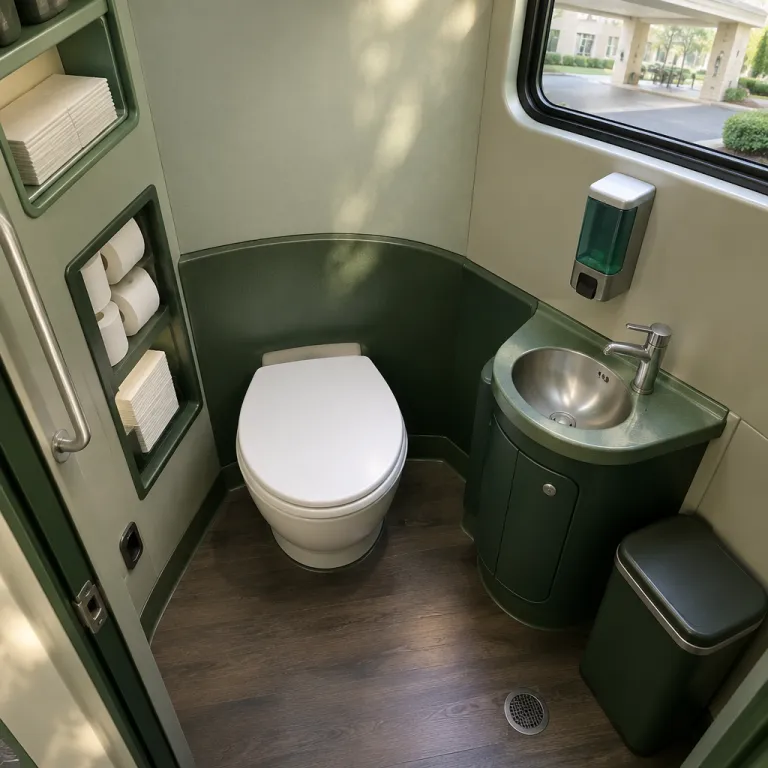
Why charter bus bathrooms matter for hotel bound group travel
For airlines, rail operators, and hoteliers, the question do charter buses have bathrooms is no longer trivial. When a full group of long haul passengers transfers from airport or station to hotel, the presence or absence of an onboard restroom directly shapes perceived service quality. A single uncomfortable trip can undermine carefully designed premium travel experiences.
Operationally, every vehicle used for group transportation between hubs and hotels must be matched to trip duration, passenger profile, and expected amenities. Full size motor coach fleets from manufacturers such as MCI, Prevost, and Van Hool typically offer an onboard bathroom, power outlets, reclining seats, and climate control, while smaller shuttle buses often trade these bus amenities for agility in dense urban areas. For travel managers coordinating multiple trips per day, understanding which charter buses have bathrooms becomes a core safety, comfort, and reputation issue.
From a hospitality perspective, the transfer is part of the stay, not a separate vehicle service. Guests judge airlines, rail companies, and hotels collectively, so if buses have poor bathrooms or none at all, the entire brand ecosystem feels inconsistent. That is why every charter bus booking for longer trips should specify whether the bus bathroom is available, functional, and appropriate for the group size and mix of passengers.
Understanding which charter buses have bathrooms and which do not
For professionals asking do charter buses have bathrooms in a systematic way, the first distinction is vehicle size and configuration. Restrooms are standard in many full size motor coach models, especially those configured for intercity group travel, while minibuses and school style buses usually operate without onboard restrooms. Operator surveys in North America and Europe consistently show that once capacity approaches around fifty passengers, manufacturers and companies tend to integrate bus bathrooms as a default amenity.
Service designers planning hotel ground transportation must therefore map each trip to the right charter bus category. Full sized coaches with onboard bathroom facilities suit longer trips from remote airports or rail terminals, whereas compact buses without bathrooms can be efficient for short urban transfers under thirty minutes. When a group includes families, elderly passengers, or premium cabin guests, the expectation that charter buses have bathrooms rises sharply, even for relatively short travel times.
Accessibility and dignity also enter the equation for inclusive hospitality. Coordinators who manage accessible arrival programs and hotel ground transport that works for every guest should document clearly when bus bathrooms are present, how the onboard restrooms are accessed, and whether space inside charter corridors allows safe movement. Linking these standards to internal service level agreements between airlines, rail operators, and hotels helps ensure that no passenger is surprised by the absence of a bathroom during a critical transfer.
Operational standards for onboard restrooms in hotel transfer programs
Once the basic question do charter buses have bathrooms is answered, the next step is defining operational standards for those onboard restrooms. For hotel bound group transportation, this means specifying cleaning frequency, waste handling, and clear passenger communication before each trip. Without such standards, even a full size coach with a technically available bus bathroom can deliver a poor travel experience.
Industry guidance from full size motor coach companies underlines three practical facts that every travel manager should integrate into service design. “Do all charter buses have bathrooms? No; only full-size coaches almost always have them. Minibuses and school buses often do not. Where is the restroom located on a charter bus? At the rear of the coach, behind last rows of seats. Do restrooms work while the bus is moving? Yes; designed for motion use on highway coaches.” These statements reflect common practice across major coach platforms and should be embedded into training for hotel concierges, airline ground équipes, and transfer platform agents who answer passenger questions.
For longer trips between airport, rail station, and resort style hotels, contracts with bus rental providers should include explicit clauses on onboard bathroom maintenance and uptime. Travel managers can require that charter buses have bathrooms stocked with essentials, that power outlets function for device charging, and that any inside charter signage explains appropriate use. A simple sample clause might read: “For all transfers exceeding 45 minutes, the supplier shall provide a full size motor coach equipped with a functioning onboard restroom, maintained in a clean and serviceable condition, and shall notify the client immediately if the assigned vehicle does not meet this standard.” Detailed standards like these are explored in depth in internal resources on ensuring passenger comfort with charter bus restrooms for group travel, which many companies now use as benchmarks.
Designing seamless multi modal transfers around charter bus amenities
Airlines and rail operators increasingly treat the hotel transfer as a final leg of the journey, which makes the question do charter buses have bathrooms part of broader multimodal design. When a long haul flight or overnight train arrives, passengers often board a charter bus already tired, dehydrated, and in need of reliable amenities. A full sized motor coach with onboard restrooms, power outlets, and comfortable seating can extend the premium cabin experience beyond the terminal doors.
To achieve this, mobility actors and transfer platforms must integrate bus amenities data into their planning tools. Each booking should specify whether charter buses have bathrooms, what the vehicle size is, and how many passengers will share the onboard bathroom during the trip. When groups exceed the typical fifty passenger threshold, planners may even schedule two buses so that bus bathrooms remain usable and queues do not erode the overall travel experience.
Hotel brands that position themselves around wellness or luxury can go further by curating a preferred network of bus rental partners. These companies commit to operating full size coaches on longer trips, maintaining clean bus bathrooms, and training drivers to brief each passenger group on restroom etiquette. Guidance on designing event shuttle ecosystems for seamless hotel access and elevated hospitality shows how such curated networks can align ground transport standards with the rest of the guest journey.
Aligning contracts, KPIs, and guest communication on bus bathrooms
For corporate travel managers and hospitality procurement teams, the question do charter buses have bathrooms should be translated into measurable standards. Contracts with bus rental companies can define minimum vehicle size for specific routes, the requirement that charter buses have bathrooms on longer trips, and response procedures when an onboard bathroom is out of service. These clauses protect airlines, rail operators, and hotels from guest dissatisfaction that originates inside a third party vehicle.
Key performance indicators should track more than punctuality and safety. Service quality dashboards can include the percentage of group travel segments operated with full size coaches, the share of passengers who report that bus amenities met expectations, and the incidence of complaints related to bus bathrooms or onboard restrooms. When data shows that certain routes or groups consistently need more bathroom capacity, planners can shift to larger buses or add an extra charter bus to balance passenger loads.
Transparent guest communication completes the framework. Pre trip messages can state whether buses have onboard bathrooms, how long the trip will last, and what alternatives exist for very short transfers where no bus bathroom is provided. By aligning expectations, companies turn a potential pain point into a moment of reassurance, reinforcing trust in every part of the multimodal journey from gate or platform to hotel lobby.
Practical recommendations for different actors in hotel bound mobility
Airlines coordinating disrupted operations or large crew movements should treat the question do charter buses have bathrooms as a core welfare issue. When irregular operations require moving full groups of stranded passengers to hotels late at night, only full sized coaches with reliable onboard restrooms and other bus amenities are appropriate. Smaller buses without bathrooms may be acceptable for short urban hops, but not for longer trips with stressed travellers.
Rail operators and mobility platforms managing seasonal peaks can apply similar logic. For high demand weekends or events, they can pre book charter buses that have bathrooms, verify that each motor coach offers a functioning onboard bathroom, and ensure that power outlets and climate systems work for every passenger. Hotels hosting conferences or incentive groups can then coordinate with these partners so that each group travel segment, from station to property, reflects the same standard of care.
Finally, travel managers overseeing corporate group transportation should embed bathroom related criteria into their internal policies. Any trip over a defined duration must use a full size charter bus with a working bus bathroom, and every booking should confirm how many passengers the vehicle can seat comfortably. A short internal checklist can help: confirm trip length, confirm coach size and restroom availability, verify cleaning schedule, and document contingency plans if the bathroom is out of order. By treating bus bathrooms as non negotiable for specific scenarios, organisations protect both traveller wellbeing and the reputational value of their carefully designed hospitality programs.
Key figures on charter bus bathrooms and hotel transfers
- Industry practice shows that restrooms are standard on many full size coaches once capacity reaches around 50 passengers, which aligns with the typical configuration of highway style motor coaches used for airport hotel transfers.
- Seat capacity data from operators indicates that vehicles seating about 50 to 56 passengers are the most common choice for long distance group transportation, which means that most such buses have onboard bathrooms suitable for hotel bound trips.
- Operational surveys from North American charter companies consistently report that minibuses under roughly 30 seats usually operate without onboard restrooms, reinforcing the need to match vehicle size to trip duration for guest comfort.
- Service design benchmarks in hospitality show that guest satisfaction scores on ground transfers increase significantly when passengers are informed in advance about bathroom availability, even when the actual amenity mix on the bus remains unchanged.
| Vehicle type | Typical seats | Bathroom usually installed | Best suited hotel transfer use |
|---|---|---|---|
| Full size motor coach (e.g., MCI, Prevost, Van Hool) | 50–56 | Yes, standard on most highway coaches | Airport or rail transfers over 30–45 minutes, premium or mixed groups |
| Mid size coach or large shuttle | 30–40 | Mixed; depends on configuration | Medium distance transfers where bathroom access is desirable but not critical |
| Minibus or van based shuttle | Up to 30 | Rarely; generally no onboard restroom | Short urban hops under 30 minutes or frequent shuttle loops |
FAQ about charter bus bathrooms for hotel ground transport
Do all charter buses used for hotel transfers have bathrooms
No, not all charter buses used for hotel transfers have bathrooms, because restroom facilities are typically installed only on full size motor coaches designed for longer trips. Minibuses, shuttles, and school style buses that handle short urban segments usually operate without onboard restrooms. Travel managers should therefore confirm bathroom availability with each booking rather than assuming that every charter bus includes this amenity.
How can I be sure a specific charter bus will have a bathroom
The most reliable method is to specify an onboard bathroom as a contractual requirement when arranging bus rental for group travel. Ask the provider to confirm in writing that the assigned vehicle is a full sized coach with a working bus bathroom and to share the exact model or fleet description. For critical movements, such as late night airport hotel transfers, request photos or a technical sheet that lists all bus amenities, including restrooms.
Where is the bathroom usually located inside a charter bus
On standard highway style charter buses, the bathroom is almost always located at the rear of the vehicle. Passengers typically access the onboard restroom by walking down the central aisle to a compact cabin behind the last rows of seats. This configuration allows operators to maintain maximum seating capacity while still providing essential facilities for longer trips.
Are charter bus bathrooms suitable for very long trips between cities and resorts
Charter bus bathrooms are designed primarily as convenience facilities rather than full service restrooms, so they work best when combined with planned comfort stops on very long trips. For intercity transfers of several hours between airports, rail stations, and resort hotels, operators usually schedule at least one stop where passengers can access larger restrooms. The onboard bathroom then serves as a backup, improving comfort and flexibility without replacing proper facilities.
What should hospitality brands include in their standards about bus bathrooms
Hospitality brands should define clear criteria stating when charter buses must have bathrooms, typically for trips above a set duration or for premium guest segments. Standards can cover cleanliness, stocking of basic supplies, communication to passengers, and contingency plans if the onboard restroom is unavailable. Embedding these requirements into supplier contracts and internal training ensures consistent service quality across the entire ground transport journey.