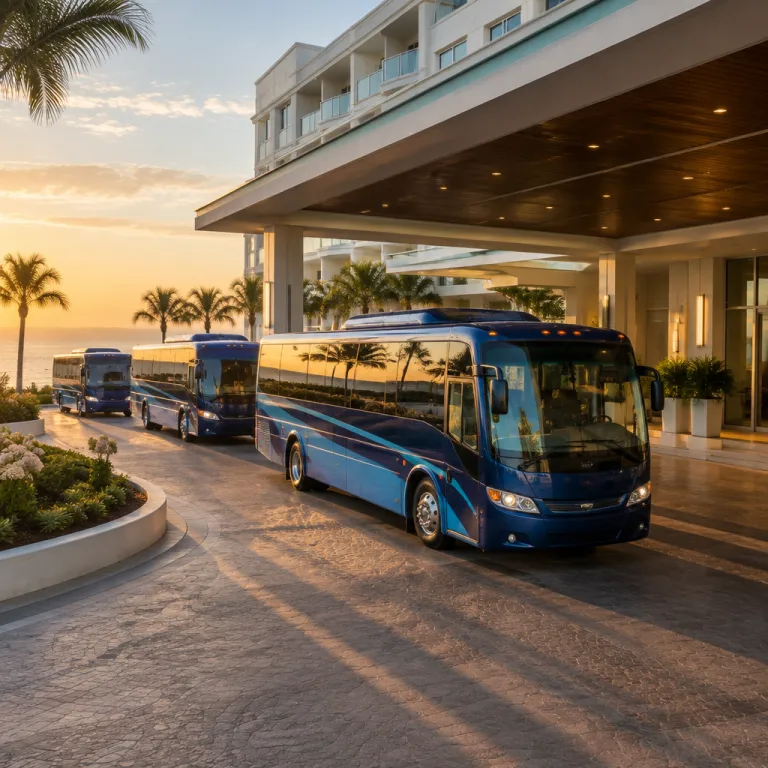
Why the event shuttle is now a core hospitality asset
For airlines, rail operators, and hoteliers, the event shuttle has shifted from a nice extra to a core hospitality asset. When a large event or meeting fills a convention center, integrated transportation between airport, station, city hotels, and venues becomes a decisive factor in guest satisfaction and group travel retention. A well designed shuttle service can turn a stressful trip into a curated ride that feels like an extension of the brand.
Event planners, transport providers, and hotel équipes now co create transportation systems that link every event and meeting touchpoint. They use fixed loop routes, charter bus fleets, and flexible shuttle bus operations to move each group from start to finish with predictable headways of around twenty minutes. This orchestration reduces private car service demand, eases pressure on parking, and supports stress free arrivals for corporate events and incentive groups.
In dense city districts such as central Paris, London, or Washington DC, a single event shuttle corridor can replace hundreds of individual taxi rides. For example, Transport for London’s event planning guidance notes that coordinated shuttle operations for ExCeL London can substitute more than 300 car trips per peak hour on busy days, while the Paris 2024 mobility plan estimated similar reductions around key Olympic venues. Airlines and railways that coordinate event transportation with hotel partners see fewer missed sessions and smoother late night returns after a long trip. For mobility platforms and transfer marketplaces, curated shuttle services and bus services around big events have become a premium product line rather than a low margin add on.
From airport and station to hotel: building a start to finish event shuttle journey
The most effective event shuttle strategies treat the journey as a continuous narrative from gate or platform to hotel lobby. That means aligning flight banks, rail arrival waves, and bus rental schedules with ingress and egress peaks at the convention center or meeting venue. When travel managers read the full movement plan early, they can contract the right mix of shuttle services, car service options, and charter bus capacity for every group size.
Operationally, the backbone is a clear timetable that covers pre event arrivals, during event circulation, and post event departures. Organizers should publish shuttle service maps, walking distances of roughly four hundred meters to stops, and any conditions for a free or paid ride well before the first trip. This 400 meter standard mirrors guidance from agencies such as the US Transit Cooperative Research Program and Transport for London, which both cite 0.25 mile as a comfortable walking distance for most passengers. To support resilient hospitality operations and employee flows around major events, many hotel groups now adapt concepts from rethought employee shuttles for seamless hotel access and apply them to guest facing group transportation.
Attendees frequently ask practical questions about the event shuttle schedule and reliability. The reference guidance is explicit; “Do event shuttles run continuously? Usually before, during, after event with set intervals” and “How early should I allow for shuttle arrival? At least 15-30 minutes before scheduled event start”. Airlines, rail companies, and mobility actors that echo these messages in their own communications reduce confusion at curbside and help drivers maintain on time performance across complex transportation systems.
Designing shuttle and bus fleets for different event and meeting profiles
Not every event shuttle operation looks the same, and fleet design must reflect the event profile, hotel geography, and city constraints. A high volume trade fair at a convention center on the urban fringe may require continuous shuttle bus loops with articulated vehicles, while a luxury corporate meeting event in a compact district may favor smaller bus rentals and premium event car options. Airlines and rail operators hosting loyalty events often blend a flagship charter bus with several vans to balance visibility and flexibility.
Transport providers typically combine three service models for event transportation around hotels. Fixed schedule loops connect key hotels and park and ride sites to the convention center, reserved charter bus movements handle big group travel blocks, and on demand shuttle services or car service fleets cover late night or irregular trips. For hoteliers, the goal is to align their own shuttle service promises with these shared bus services so guests perceive one coherent mobility layer rather than fragmented offers.
Vehicle choice also shapes the perceived quality of the ride and the brand. Some hospitality groups experiment with blossom style hotel shuttles and curated interiors, drawing on concepts similar to those described in guidance on elevating ground transportation strategies with blossom bus style vehicles. Whether using compact buses in transportation York corridors or larger coaches in Washington suburbs, operators must match driver training, luggage capacity, and accessibility features to the specific event and meeting needs.
Aligning contracts, pricing, and stress free guest experience
Behind every smooth event shuttle network lies a carefully structured set of contracts between airlines, railways, hoteliers, and charter companies. Travel managers need transparent pricing for bus rental and bus rentals, with clear assumptions on kilometers, waiting time, and peak hour surcharges. Tools such as detailed cost breakdowns for seamless hotel transfers, like those explained in analyses of what it really costs to rent a bus for hotel transfers, help corporate buyers negotiate fair terms.
From the guest perspective, the financial model matters less than the feeling of a stress free, well signposted ride. Many organizers choose to bundle event transportation into registration so that the event shuttle and shuttle bus options appear free at the point of use, even when funded by sponsors or corporate events budgets. When a group knows that every trip between airport, hotel, and convention center is covered, they are more likely to use shared group transportation instead of fragmented taxis.
Service level agreements should define response times for disruptions, minimum frequencies, and communication standards. If a bus service is delayed, guests should read timely updates on mobile apps, hotel screens, and venue signage, rather than waiting without information in the city heat or rain. Clear escalation paths between dispatcher, driver, and hotel concierge ensure that any issue along the start to finish journey is resolved before it affects the next meeting or event session.
Technology, data, and real time control of event shuttle operations
Digital tools now sit at the heart of modern event shuttle management for hotels and venues. Dispatch platforms aggregate GPS data from every shuttle bus, charter bus, and event car so controllers can rebalance capacity in real time between hotels and the convention center. When a big keynote ends earlier than planned, operators can redirect bus services and shuttle services to the busiest exit gates within minutes.
For airlines and rail operators, integration between passenger data and ground transportation systems unlocks new possibilities. If a delayed flight shifts a large group travel wave, the event transportation control room can hold a shuttle service or add an extra bus rental to protect the meeting start time. Mobility platforms that share anonymized demand données with hoteliers help them anticipate when to extend free late night rides or when to scale back services without harming guest satisfaction.
Attendee facing technology also shapes perceptions of reliability and safety. Mobile apps that show live locations of each event shuttle, estimated walking times from hotel lobby to stop, and expected ride durations reduce anxiety and support stress free planning. For corporate events with strict duty of care requirements, digital manifests allow organizers to confirm that every group and every individual has boarded the correct trip before the driver departs the city hotel cluster.
Sustainability, safety, and the future of hotel linked event shuttles
Sustainability has become a central criterion when airlines, railways, and hotel groups design event shuttle programs. Replacing hundreds of individual car service journeys with consolidated shuttle bus operations cuts emissions per passenger, especially when using electric buses or low emission charter fleets. In transportation York corridors and Washington metropolitan areas, local authorities increasingly encourage event transportation plans that prioritize shared group transportation over private vehicles.
Safety and accessibility standards are equally non negotiable for hospitality brands. Drivers must receive training not only in road safety but also in guest service, luggage handling, and support for passengers with reduced mobility during every trip. Coordinated planning between event organizers, hotel security teams, and transport providers ensures that pickup points, lighting, and pedestrian routes around the convention center and hotels meet rigorous safety expectations.
Looking ahead, the most successful event shuttle ecosystems will blend flexible services, strong data sharing, and a human centric approach. Airlines and rail operators will align schedules more closely with hotel check in patterns, while mobility platforms orchestrate mixed fleets of buses, vans, and event cars tailored to each meeting event profile. For hoteliers, treating the ride as an integral part of the stay, rather than a peripheral service, will be the key to building long term fidélité among high value corporate events clients.
Key figures shaping hotel focused event shuttle strategies
- Typical headways of around 20 minutes between shuttles are widely used for large events, balancing operating cost and acceptable waiting time for guests according to hotel and event RFP guidelines. Case studies from the Las Vegas Convention Center and Messe Frankfurt show similar intervals during major trade fairs.
- Planning standards from several transit agencies assume a comfortable passenger walking distance of about 0.25 mile, or roughly 400 meters, between hotel entrances and shuttle stops, which strongly influences stop placement in dense city districts.
- Event shuttle operations that replace private cars can reduce on site parking demand by several hundred spaces for a big convention, which in turn lowers congestion and improves safety around hotel access roads. The Orange County Convention Center in Orlando, for instance, reports parking demand reductions of 15–25% when robust shuttle programs are in place.
- Many sponsored event transportation programs choose to make the shuttle service free at the point of use, which typically increases shared mode uptake and reduces taxi usage for group travel segments.
- Continuous shuttle bus operations before, during, and after an event, with clear intervals communicated in advance, have been shown to cut perceived waiting times even when actual headways remain unchanged.
FAQ about hotel linked event shuttle operations
How should airlines and rail operators coordinate with hotels on event shuttles ?
They should share detailed arrival and departure forecasts with hotel and transport partners several weeks in advance, then jointly design shuttle service timetables that match peak flows at terminals and lobbies. Regular coordination calls during the event allow quick adjustments when flight or train schedules change. Clear joint communication to guests ensures that every ride between station, airport, and hotel feels seamless.
Are event shuttles usually free for attendees staying in partner hotels ?
Many large conferences and corporate events bundle the cost of event transportation into registration fees or room blocks, so the shuttle appears free to the attendee. In other cases, especially for smaller meetings, guests may pay per trip or per day. The key is to state the model clearly in booking confirmations and pre event emails.
What is the best way to communicate shuttle information to guests ?
Organizers should combine digital and physical channels, including mobile apps, hotel lobby screens, printed welcome letters, and clear signage at shuttle stops. Information must cover routes, first and last departures, expected headways, and any accessibility details. Encouraging guests to read updates regularly helps maintain smooth flows throughout the event.
How early should attendees arrive at the shuttle stop before a key session ?
For high demand sessions such as opening ceremonies or major keynotes, guests should aim to reach the shuttle stop at least thirty minutes before the desired arrival time. This buffer accounts for walking time, possible queues, and normal variations in traffic. Travel managers can reinforce this guidance in their briefings to avoid late arrivals at the convention center.
What fleet mix works best for hotel based group transportation during events ?
A mixed fleet of larger buses for peak flows and smaller vehicles for off peak or premium segments usually offers the best balance. Charter buses can handle big group movements between airport and hotels, while vans or event cars serve late night or VIP trips. The exact mix should reflect hotel locations, city street constraints, and the profile of the meeting event.