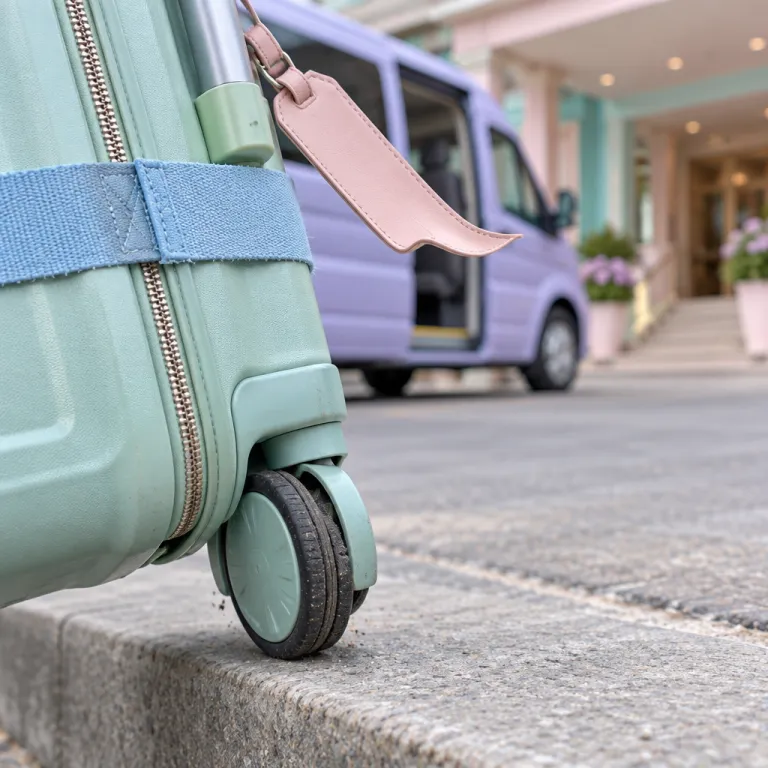
Why event shuttle service is now a strategic hospitality asset
Event shuttle service has shifted from a logistical afterthought to a core hospitality promise. For airlines, rail operators, mobility providers, transfer platforms, travel managers, and hoteliers, a well designed shuttle or charter network now shapes the entire perception of the stay. When airport, station, and hotel transportation flows are aligned, guests feel guided, protected, and valued from the first kilometre.
Airlines coordinating an event shuttle from the arrival bay to partner hotels reduce stress for international guests and protect on time performance for late night flights. Rail companies that align their buses and mini bus connections with peak arrival waves can turn a simple coach transfer into a branded service event that reinforces loyalty. When mobility platforms integrate charter bus and shuttle bus options into booking paths, they create a single, coherent event transportation ecosystem rather than fragmented services.
For large congresses, incentives, or a wedding with several hundred guests, the choice between a coach bus, a passenger coach, or several full sized motor coach vehicles is no longer just about capacity. It is about how group transportation supports the host brand, from the first shuttle service email to the last bus rental quote. In dense urban hubs such as the francisco bay corridor or the wider bay area, a professional shuttle operation can also reduce congestion, emissions, and curbside chaos around hotels.
Designing multi modal event shuttle networks from airport or station to hotel
Building a resilient event shuttle service starts with a precise mapping of arrival and departure patterns. Airlines and rail operators must share real time données on flight banks, train slots, and expected group sizes so that shuttle services and charter buses can be right sized by hour. This coordination allows mobility actors to assign the correct mix of mini bus, coach bus, and full sized motor coach vehicles to each event.
For a major conference in san francisco, for example, a layered transportation plan might combine a high frequency shuttle bus loop from the airport to key hotels with targeted charter bus runs from secondary airports or rail hubs. Travel managers can then book specific buses for VIP group transportation while leaving general guests to a shared shuttle service that runs every 10 minutes at peak time. When planners align these flows with hotel check in capacity and meeting start times, the event shuttle becomes an invisible backbone rather than a visible bottleneck.
Sports teams and large incentive groups increasingly rely on 56 seat coach bus fleets that operate like rolling lounges between airport, stadium, and hotel. Detailed case studies on how 56 seat sports transport coaches are redefining airport to hotel mobility show how passenger coach layouts, luggage bay design, and on board connectivity can transform simple transportation into a premium service event. For hoteliers, integrating these charter services into pre arrival communication reassures guests that every bus, from mini bus to full sized motor coach, has been planned with their comfort and safety in mind.
Aligning commercial models and bus procurement with hospitality objectives
Behind every smooth event shuttle service sits a complex web of contracts, bus rental agreements, and charter bus procurement decisions. Airlines, rail companies, and hotels that still negotiate transportation on a trip by trip basis often face higher coût, inconsistent service, and limited control over guest experience. A strategic approach to charter buses and shuttle services requires multi event frameworks, clear KPIs, and shared risk models.
Travel managers can aggregate demand across several events, from a corporate roadshow to a destination wedding, to secure better bus rental conditions and guaranteed access to full sized vehicles during peak season. Mobility platforms that run structured tenders for coach bus and motor coach capacity in a bay area or francisco bay cluster can then match the right buses to each service event with far greater agility. Insights on how strategic bus bids are reshaping hotel ground transport and shared mobility highlight how transparent pricing and performance based contracts improve both reliability and ROI.
For hoteliers, the ability to offer a bundled shuttle service or event transportation package can become a decisive differentiator in MICE and wedding bids. When a hotel can provide a single quote that covers rooms, meeting spaces, and all shuttle services, planners gain budgeting clarity and operational peace of mind. This integrated approach also allows operators to standardise professional shuttle standards, from driver training to luggage handling, across every charter and shuttle bus movement.
Guest centric design for every shuttle, from signage to seat comfort
Guests rarely remember the technicalities of an event shuttle service, but they always remember how it made them feel. A guest centric shuttle or charter operation starts with clear wayfinding at the airport, station, or cruise terminal bay, then continues with intuitive boarding and comfortable seating. When airlines and hotels co design these touchpoints, transportation becomes an extension of the brand rather than a generic bus ride.
Simple measures such as branded signage at the san francisco airport curb, multilingual staff at the shuttle bay, and real time notifications about shuttle bus departure time can dramatically reduce anxiety for international guests. For a high profile wedding or incentive event, assigning a dedicated professional shuttle coordinator on site ensures that every coach bus, mini bus, and motor coach is loaded efficiently and that luggage bays are used intelligently. Hotels that provide water, Wi Fi, and discreet branding on passenger coach interiors subtly elevate the perceived value of the service.
Designing the interior of full sized charter buses for specific use cases also matters. A wine tour group in the francisco bay region will appreciate panoramic windows, secure storage for bottles, and comfortable seating for long scenic drives between vineyards and hotels. Corporate group transportation, by contrast, benefits from power outlets, tables, and quiet zones that allow guests to work between the airport and the city. In both cases, the shuttle service becomes a curated part of the journey rather than a mere transfer.
Digital orchestration, data, and communication across the event shuttle chain
Digital tools now sit at the heart of any serious event shuttle service strategy. Airlines, rail operators, mobility platforms, and hotels need shared dashboards that show real time bus locations, passenger loads, and estimated arrival time at each hotel. When these données flow through APIs into airline apps, rail platforms, and hotel CRM systems, guests receive coherent messages rather than conflicting instructions.
For a large multi venue event in san francisco, a central control room can monitor every shuttle, charter bus, and mini bus movement across the bay area. If a flight is delayed or a train is cancelled, dispatchers can reassign buses, extend shuttle services, or add an extra motor coach to protect critical connections. Travel managers can then inform group leaders instantly, while hotels adjust check in staffing to match the updated arrival wave.
Communication with guests must be equally orchestrated. Pre event emails should explain how to book the shuttle service, where to wait for the shuttle bus, and what to expect in terms of travel time and luggage handling. During the event, push notifications can guide guests to the correct bay, confirm which coach bus or passenger coach is assigned to their group, and share any last minute changes. After the event, structured feedback on every bus rental and charter movement helps refine future group transportation plans and strengthens trust between all partners.
Sustainability, emissions, and the future of shared mobility to hotels
Sustainability is now a decisive factor in how airlines, rail operators, and hotels design event shuttle service offerings. Replacing dozens of individual taxis with a coordinated shuttle or charter bus network can cut emissions per passenger kilometre dramatically, especially when using modern Euro VI or electric buses. For large events in constrained urban zones such as the francisco bay waterfront, this shift also reduces congestion and noise around hotels.
Corporate clients increasingly ask travel managers for precise emissions data on every shuttle service and event transportation movement. By consolidating demand into full sized motor coach or coach bus operations, planners can show measurable reductions in CO₂ per guest compared with private car use. Some mobility providers in the bay area now offer electric mini bus fleets for short hotel loops, reserving diesel charter buses for longer regional routes where charging infrastructure remains limited.
Leisure segments such as the wine tour market around san francisco also benefit from greener group transportation models. Guests appreciate the comfort and safety of a dedicated shuttle bus or passenger coach, while destinations benefit from fewer individual vehicles on narrow rural roads. As regulations tighten and corporate ESG expectations rise, professional shuttle services that combine low emission buses, transparent reporting, and high quality service will become the default standard for every major service event.
Key statistics shaping event shuttle service and hotel ground transport
- According to the Global Business Travel Association, ground transportation typically represents between 5 % and 10 % of total corporate travel spend, yet integrated shuttle service programmes can reduce this share by up to 15 % through consolidation and better bus rental planning.
- Data from the San Francisco Municipal Transportation Agency indicate that a full sized coach bus can replace up to 30 private cars during peak hours, significantly easing congestion around hotel zones in the wider bay area.
- The International Association of Exhibitions and Events reports that more than 60 % of large trade shows now include some form of organised event transportation, with shuttle buses remaining the most common solution between airports, hotels, and venues.
- Studies from the International Transport Forum show that shared mobility options such as shuttle services can cut urban transport related CO₂ emissions by up to 30 % when widely adopted for airport and station transfers.
- Surveys of corporate travel managers by the Association of Corporate Travel Executives highlight that over 70 % now consider sustainability metrics when selecting charter bus and motor coach partners for group transportation to hotels.
FAQ about event shuttle service for hotel bound travellers
How far in advance should planners book an event shuttle service ?
For large conferences or a wedding with several hundred guests, planners should book the event shuttle service and any charter buses at least three to six months in advance. This lead time secures access to full sized motor coach fleets during peak seasons and allows airlines, rail operators, and hotels to align schedules. Smaller groups using a mini bus or single coach bus can often confirm closer to the date, but early planning still improves pricing and flexibility.
What vehicle mix works best for complex multi hotel events ?
A typical mix combines high capacity coach buses or passenger coaches on trunk routes from airport or station to main hotels, with smaller shuttle buses or mini buses serving secondary properties and late night movements. The exact combination depends on guest volumes, luggage needs, and bay constraints at each hotel. Data on arrival time patterns should guide how many buses are assigned to each loop and how frequently the shuttle service operates.
How can airlines and hotels share costs for event transportation ?
Cost sharing models usually link contributions to the branding and commercial benefits each partner receives from the event shuttle. Airlines might fund a portion of the shuttle service from the airport bay to key hotels in exchange for co branding and loyalty programme visibility. Hotels, in turn, can bundle the remaining transportation coût into group packages, presenting a single quote that covers rooms, meeting spaces, and shuttle services.
What information do guests need before using a shuttle or charter bus ?
Guests should receive clear instructions on where to wait, how often the shuttle bus runs, expected travel time, and luggage rules for the coach bus or motor coach. Maps showing the exact bay location at the airport or station, along with photos of the buses, reduce confusion. Providing this information in pre event emails and mobile apps ensures that the shuttle service feels intuitive rather than intimidating.
How can event organisers measure the success of their shuttle services ?
Organisers should track on time performance, load factors on each bus, guest satisfaction scores, and any incidents or delays across the event shuttle service. Comparing emissions per guest between shared buses and estimated private car use also highlights sustainability gains. Post event debriefs with airlines, rail operators, mobility providers, and hotels then translate these données into improved group transportation strategies for future events.