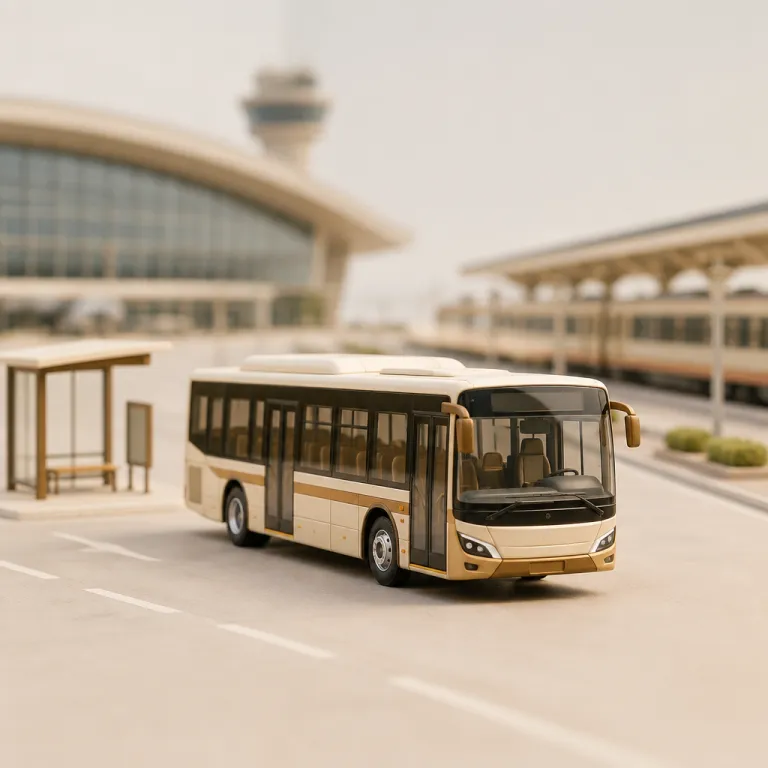
From main terminal to hotel lobby: why an excellent bus service is now strategic
For airlines, rail operators, and hoteliers, a high quality bus service at the main terminal is no longer a side topic. It has become a core hospitality asset that shapes the first and last impressions of every customer journey between gate, platform, and hotel. When the terminal transfer feels comfortable, reliable, and easy to book, it quietly upgrades the perceived quality of the entire trip.
Ground transport leaders now treat each bus as a moving extension of the hotel lobby, with customer service standards aligned to airline and railway premium cabins. This means clear schedule information, intuitive ways to buy tickets, and a seamless link between the main terminal and hotel address, all supported by a responsive hotline customer team. In this context, a well designed bus service is not just transport; it is a branded experience that can increase loyalty, reduce complaints, and support higher average daily rates.
When a main terminal operates as a multimodal hub, integrated bus lines and shuttle services can reduce curbside congestion and improve on time performance for both flights and trains. Travel managers see direct savings when a predictable hour schedule reduces missed connections and last minute taxis. For hotel groups, a consistently excellent bus offer from the main terminal to their properties becomes a differentiator in corporate RFPs and group charter negotiations.
Designing the transfer backbone: schedules, hubs, and fleet choices
Building an excellent bus service at the main terminal starts with a robust schedule that matches flight banks and train arrivals. Airlines and railways need a shared schedule hotline and digital tools that let passengers view schedule options in real time, including night hour schedule patterns for delayed arrivals. When the bus service is synchronized with peak arrival waves, the perceived waiting time drops sharply and customer satisfaction rises.
Fleet strategy matters just as much as timetable design, especially when comparing diesel coaches with electric shuttle buses for airport and station transfers. Many operators now run total cost of ownership analyses over five years, using benchmarks similar to those discussed in studies on electric shuttle fleets for airport transfers. For hospitality brands, a quiet, low emission bus fleet reinforces sustainability commitments while also delivering a more comfortable ride and better in vehicle acoustics.
At the main terminal, the physical layout of bus stops, park ride areas, and each bus shelter or larger shelter forest style canopy directly influences perceived quality. Clear signage from arrivals to the bus lines, visible information on where to buy tickets, and a staffed hotline customer point at the curb all reduce friction. When these elements are aligned, the excellent bus service at the main terminal becomes a reliable backbone that supports both individual guests and large groups.
Turning the main terminal into the first hotel touchpoint
For hospitality leaders, the main terminal is increasingly treated as the first hotel touchpoint rather than a neutral transit zone. When a guest steps off a long haul flight or a high speed train, the quality of the excellent bus service at the main terminal sets expectations for the stay ahead. A clean bus shelter, clear wayfinding, and attentive customer service staff can calm travel stress before the guest even reaches the hotel lobby.
Design thinking now extends from the gate to the curb, with many brands studying best practices similar to those outlined in research on designing a transport experience that starts at the gate. Airlines, rail operators, and hoteliers increasingly co create transfer services, sharing data on arrival peaks, no show patterns, and group movements to refine the bus service schedule. When this collaboration works, the main terminal becomes a curated hospitality corridor rather than a chaotic interchange.
Details matter at this stage, from the interior lighting of the bus to the outside view along the route. A comfortable seating layout, luggage racks that match airline cabin baggage standards, and a clear audio announcement of each stop all contribute to a premium feel. In practice, an excellent bus service at the main terminal can turn a thirty minute transfer into a soft landing that reinforces brand promises about care, efficiency, and attention.
Data driven coordination between airlines, railways, and mobility platforms
To operate an excellent bus service at the main terminal, stakeholders must share operational data with unusual precision. Airlines and railways provide real time arrival information, while mobility platforms aggregate demand signals from hotel bookings, corporate travel tools, and transfer marketplaces. This shared view allows operators to adjust the bus service schedule dynamically, adding capacity when a delayed flight cluster threatens to overwhelm the curb.
Travel managers increasingly expect this level of integration, because it directly affects duty of care and total trip cost. When they can view schedule options, buy tickets in advance, and receive automatic alerts from a schedule hotline, they are more willing to shift travelers from taxis to structured bus lines. For hoteliers, this data driven approach supports better staffing at check in, as they can anticipate when a full bus will arrive from the main terminal.
Mobility platforms also play a key role in coordinating charter services for groups, especially when several hotels share a main terminal hub. They can help airlines and hotels book charter capacity efficiently, matching vehicle size to group profiles and event schedules. Over time, this collaboration turns the excellent bus service at the main terminal into a flexible, demand responsive system rather than a rigid timetable that fails during disruption.
From regional routes to hotel shuttles: integrating legacy bus lines into premium hospitality
Many airports and stations already host legacy regional bus lines that serve nearby towns, tourist regions, and commuter corridors. When these operators upgrade to an excellent bus service standard at the main terminal, they can become valuable partners for hotels seeking to reach secondary markets. For example, a regional operator serving the Catskills region can align its schedule with weekend city departures and hotel check in times, turning a simple bus into a curated leisure corridor.
Some networks historically linked to corridors such as Monroe or Van Buren style routes can be repositioned as premium feeders to resort hotels and conference venues. By coordinating an hour schedule that matches both train arrivals and hotel event agendas, these bus lines can reduce private car use and parking pressure at properties. When the main terminal signage clearly shows where to buy tickets, view schedule details, and access a hotline customer number, guests perceive the regional bus service as part of the hotel ecosystem.
For airlines and railways, partnering with such regional services extends their catchment area without adding new flights or trains. Hoteliers gain access to guests who arrive via these excellent bus routes, often staying longer and spending more once they reach the property. The key is to apply the same customer service standards at the main terminal bus stops that guests expect at the front desk.
Commercial models, charters, and the economics of an excellent bus service
Behind every excellent bus service at the main terminal lies a careful economic model that balances fares, subsidies, and ancillary revenue. Airlines, railways, and hotels must decide whether to operate their own branded bus service, co fund a shared shuttle, or contract specialized mobility providers. Each option has different implications for control over customer service, schedule flexibility, and long term cost.
Group and event traffic often justifies dedicated charter operations, especially for conferences, incentives, and cruise turnarounds. Travel managers and hoteliers increasingly use cost benchmarks similar to those presented in analyses of what a charter bus really costs for seamless airport to hotel transfers. When they can book charter capacity with transparent pricing, clear hour schedule commitments, and a responsive schedule hotline, they are more willing to shift large groups from fragmented taxis to a single excellent bus solution.
Revenue sharing models can also align incentives between airports, stations, and hotels, especially when park ride facilities or premium bus shelter zones generate rental income. Some hubs experiment with bundled tickets that include both rail or air segments and guaranteed bus service from the main terminal to selected hotels. Over time, these integrated products can turn the transfer from a cost center into a modest but reliable revenue stream that still feels fair and transparent to the customer.
Key operational details: from hotline design to bus shelter comfort
The difference between a basic shuttle and an excellent bus service at the main terminal often lies in operational details. A well staffed hotline customer center that can handle schedule changes, lost items, and special assistance requests in several languages builds trust quickly. When this hotline is clearly displayed at bus stops, on tickets, and inside the vehicles, passengers feel supported throughout the transfer.
Physical comfort at the curb is equally important, especially in climates with strong sun, rain, or snow. Investing in a robust bus shelter or even a larger shelter forest style canopy with seating, lighting, and real time information screens signals respect for the customer. When guests can wait in a clean, safe, and comfortable space, they are more forgiving of minor delays and more likely to rate the overall bus service positively.
Digital tools complete the picture, from QR codes at the bus shelter that link to a live view schedule page to mobile wallets that store tickets. Airlines, railways, and hotels that co brand these tools reinforce the idea that the excellent bus service at the main terminal is a shared commitment. Over time, this attention to detail turns a simple transfer into a signature element of the destination’s hospitality identity.
Statistics and key figures on airport and station transfers
- According to the International Air Transport Association (IATA, 2019 Passenger Insights report), more than 40% of air passengers globally now use some form of pre arranged ground transport between airport and final destination, highlighting the growing importance of structured bus and shuttle services.
- Data from the American Public Transportation Association (APTA, 2018 Bus Rapid Transit Fact Book) shows that high quality bus rapid transit corridors can increase corridor ridership by 20 to 40%, suggesting that similar service standards at main terminals could significantly boost shuttle usage.
- Studies by the Global Business Travel Association (GBTA, 2020 Business Travel Spend Outlook) indicate that ground transport typically represents 5 to 10% of total trip cost in managed travel programs, meaning that optimized airport and station transfers can deliver measurable savings for corporate travel managers.
- Research from the International Transport Forum (ITF, 2019 Transport Outlook) reports that shifting travelers from private cars to collective airport shuttles can reduce CO₂ emissions per passenger kilometer by up to 50%, supporting airlines and hotels in meeting sustainability targets.
- Airport Council International (ACI, 2021 Airport Service Quality Highlights) surveys show that overall passenger satisfaction scores are up to 15% higher at hubs where landside access, including bus and shuttle services, is rated as easy and reliable by travelers.
FAQ on excellent bus services at main terminals
How can airlines and hotels measure the quality of a main terminal bus service ?
They typically track on time performance, average waiting time, load factors, complaint rates, and customer satisfaction scores specific to the transfer segment. Combining these metrics with Net Promoter Score for the overall journey helps identify whether the bus service is enhancing or damaging brand perception. Many organizations also monitor digital behavior, such as how often passengers view schedule information or use the hotline.
What is the best way to coordinate bus schedules with flight and train arrivals ?
The most effective approach is to integrate real time data feeds from airline and railway systems into the bus operator’s planning tools. This allows dynamic adjustment of departure times and capacity when delays or disruptions occur. Regular joint planning sessions between operations teams ensure that the base hour schedule still matches seasonal demand patterns.
Why should corporate travel managers care about main terminal bus services ?
Structured bus and shuttle options can reduce total trip cost, improve duty of care, and simplify expense management compared with ad hoc taxis. When a reliable excellent bus service is available at the main terminal, travel managers can include it in policy as a preferred option for certain routes or traveler segments. This also supports corporate sustainability goals by shifting travelers to shared transport.
How can hotels without their own shuttles still offer a premium transfer experience ?
They can partner with existing bus lines, mobility platforms, or airport shuttle operators to create co branded services from the main terminal. Providing clear information on schedules, tickets, and hotline contacts on hotel websites and confirmation emails helps guests feel guided. Some hotels also negotiate fixed price bundles that include both accommodation and guaranteed bus transfers.
What role do digital tools play in improving main terminal bus services ?
Digital tools enable real time tracking, mobile ticketing, and proactive communication about delays or gate changes. Passengers can buy tickets, view schedule updates, and contact customer service from their phones, reducing uncertainty and stress. For operators, these tools provide data that supports continuous improvement of the excellent bus service at the main terminal.