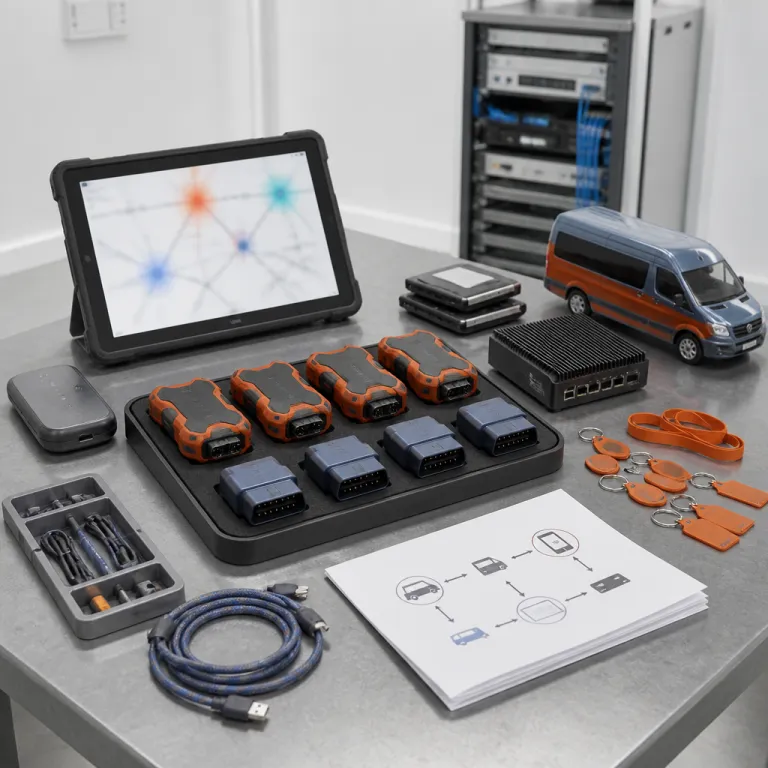
From scattered mobility data to a hotel mobility data analytics strategy
Most hotels now sit on more mobility data than they can reasonably interpret. Ride hail request times, shuttle load factors, EV charging sessions and transfer booking logs accumulate across the hospitality industry, yet they rarely inform pricing, staffing or partnership decisions. The gap between raw collection and applied intelligence is where some of the most overlooked revenue, cost savings and guest satisfaction gains still hide.
For airlines, rail operators and mobility platforms feeding guests into a hotel, this data fragmentation is not just a hotel problem; it distorts the full travel industry view of travel patterns and travel demand. When airport shuttles, station transfers and ride hail integrations are tracked in separate systems, no one can run serious data analytics or predictive analytics on the end to end journey. That leaves revenue managers guessing about mobility related booking behaviour instead of using analytics solutions grounded in real travel data and hospitality tourism flows.
Hotel management teams, travel managers and mobility partners need a hotel mobility data analytics strategy that treats transport as a revenue signal, not a cost line. That means defining a clear analytics travel framework where each mobility touchpoint is tagged as a data source, from EV charger utilization to late night airport pickups. Only then can the hospitality sector move from anecdotal learning to data driven decision making about shuttle frequency, parking pricing, bundled tourism offers and mobility partnerships.
Three questions should guide the first analysis of mobility data across any property or network. Which mobility metrics correlate with on property revenue, such as bar spend after late arrivals or ancillary business from early check outs catching rail connections? Which patterns in transfer time, no show rates and booking lead time predict operational stress on the bell desk and front office équipes? Which data sources are reliable enough, in terms of completeness and time stamps, to feed machine learning models without constant manual cleaning by data analysts?
At HITEC in San Antonio, the conversation shifted decisively from cloud migration to integrated data platforms that connect PMS, shuttle dispatch and EV charging technology. Case studies from vendors such as Oracle Hospitality and Amadeus Hospitality, along with independent analyses by Hotel Technology Next Generation (HTNG), report that hotels using unified analytics dashboards reduced operating costs by around 10–15%; real time data visibility cut inter team communication time by roughly 30–40%; predictive occupancy models adjusted staffing with accuracy rates above 80%. Those figures, drawn from hospitality business intelligence white papers and HITEC session summaries such as “Data-Driven Hotel Operations: From Silos to Integrated Platforms” (HITEC San Antonio, 2023) and Oracle Hospitality’s “Hospitality Benchmark Report: Data-Driven Decision Making in Hotels” (2022), illustrate what happens when mobility data is folded into the same analytics layer as rooms, F&B and meetings.
For airlines and rail companies, aligning with hotels on a shared mobility analytics strategy unlocks better travel analytics across the full journey. A carrier that understands hotel arrival time patterns can refine its own pricing and connection schedules for high value tourism segments. In turn, hotels that see upstream travel data from airline and rail partners can anticipate travel demand spikes, adjust staffing and protect guest reviews by avoiding long waits for transfers.
Technology vendors and data consultants now offer business intelligence platforms that can ingest big data from PMS, shuttle dispatch APIs, EV charging management and social media sentiment streams. The challenge is not the technology; it is the governance and the clarity of the hotel mobility data analytics strategy that tells each équipe which KPIs matter. Without that, even the most advanced analytics solutions and machine learning models become another dashboard that nobody opens in time.
To move beyond noise, every property and mobility partner should map its current mobility related data sources in a simple analysis exercise. List every system that touches the guest journey, from airline booking engines and travel agencies to ride hail integrations and hotel apps, and note what data, time stamps and identifiers they generate. That inventory becomes the foundation for a pragmatic, staged integration roadmap that respects budgets and avoids multi year IT projects that never reach the bell desk.
Mobility KPIs that actually move RevPAR, staffing and guest sentiment
Most mobility dashboards in hospitality look impressive yet hide a hard truth. They are full of vanity metrics that describe activity but do not change decision making or revenue. A serious hotel mobility data analytics strategy starts by killing those metrics and elevating the few that link mobility patterns to RevPAR, ADR, guest sentiment and loyalty.
For a city hotel with heavy airport traffic, shuttle load factor by time of day is more than an operational statistic. When analysed alongside booking pace, arrival flight data and on property spend, it becomes a predictive analytics signal for bar and restaurant revenue. If late evening shuttles consistently arrive full and those guests generate higher F&B revenue, the business case for extending shuttle time windows or partnering with mobility providers becomes a clear, data driven decision.
Parking and EV charging are another blind spot where mobility data quietly shapes pricing and revenue. A hotel that tracks EV charger utilization, dwell time and guest profile can refine parking pricing for EV versus non EV guests and design targeted hospitality tourism offers, such as overnight charging plus breakfast bundles. Over time, those patterns in travel demand and charger usage can inform capital expenditure decisions on additional chargers, supported by hard data rather than intuition, and can be benchmarked against independent EV charging utilisation studies shared at HITEC and in vendor white papers like “EV Charging in Hospitality: Revenue, Loyalty and Operations” (Amadeus Hospitality, 2023).
Staffing efficiency is where mobility KPIs often deliver the fastest ROI for the hospitality industry. When bell desk staffing levels are aligned with predicted transfer peaks, based on travel patterns and travel data from airline arrivals, rail timetables and pre booked pickups, overtime drops and guest reviews improve. Real time analytics on no show rates for pre arranged transfers also help travel managers and hotel management adjust transport allocations without frustrating guests or wasting capacity.
Guest satisfaction and sentiment analysis should sit at the heart of any mobility KPI framework. By linking social media comments, online reviews and post stay surveys to specific transfer experiences and wait times, hotels can quantify the impact of mobility on overall hospitality scores. This is where sentiment analysis and machine learning models, trained on big data from reviews and social media, can highlight which mobility touchpoints most damage or enhance the brand.
For airlines, rail operators and mobility platforms, the same logic applies across the broader travel industry. Mobility KPIs that matter are those that connect operational performance, such as on time transfers or baggage delivery, to downstream hotel revenue and guest loyalty. Metrics that only describe how many rides were completed, without linking to tourism spend or repeat booking behaviour, belong in the vanity category.
To benchmark what high performing properties spend on guest transportation per stay, many revenue leaders now turn to independent analyses of guest transport cost structures. A detailed benchmark of guest transportation spend per stay helps hotels and mobility partners align on realistic pricing and service levels that protect margins. Embedding such benchmarks into the hotel mobility data analytics strategy ensures that mobility is evaluated with the same financial discipline as rooms and F&B.
Every property should define a concise mobility KPI set that fits its business model and location. An airport hotel will prioritise transfer punctuality, shuttle load factors and late night arrival revenue, while a resort may focus on excursion transfers, tourism partnerships and length of stay extensions. The key is to ensure that each KPI is tied to a clear lever for decision making, whether that is staffing, pricing, capacity planning or partnership strategy.
Building the analytics layer: connecting PMS, shuttles, EV chargers and partners
The most elegant mobility KPIs are useless if the underlying data never meets in one place. Hotels, airlines, rail operators and mobility platforms typically operate in silos, each with their own booking systems, dispatch tools and CRM environments. A hotel mobility data analytics strategy that actually works starts with a pragmatic analytics layer architecture that connects these systems without demanding a full scale IT overhaul.
At the core sits a business intelligence platform capable of ingesting structured and semi structured data from PMS, shuttle dispatch software, EV charging management systems and partner APIs. This platform should support real time analytics where necessary, such as live shuttle tracking and transfer no show alerts, while also enabling deeper historical analysis of travel patterns and travel demand. The goal is not to build a perfect data lake of big data, but to create a reliable, queryable layer that revenue leaders and data analysts can actually use.
Integration priorities should follow revenue impact, not technical elegance. Start by connecting PMS booking data, including arrival times and stay length, with shuttle and transfer booking logs to understand how mobility influences booking conversion and ancillary revenue. Then add EV charging data, parking access logs and, where possible, airline or rail PNR level travel data to build a richer picture of the full travel journey into the hotel.
Mobility as a service platforms and guest apps are powerful data sources when integrated thoughtfully. Embedding mobility options directly inside the guest app, rather than pushing guests to a standalone transport platform, concentrates travel analytics and sentiment data in one environment. This approach, explored in depth in analyses of embedding mobility inside guest apps presented at HITEC sessions such as “Seamless Journeys: Integrating Mobility into the Guest Experience” (2022), turns the app into a live sensor for travel patterns, pricing sensitivity and service satisfaction.
For travel agencies and corporate travel managers, connecting their booking tools to hotel and mobility partner systems unlocks new analytics travel opportunities. They can track how different transfer options influence total trip cost, traveller satisfaction and policy compliance, feeding that insight back into corporate travel policies. Hotels that share aggregated mobility performance data with these partners strengthen their position in RFPs and demonstrate a data driven approach to guest experience.
On the technology side, machine learning and AI should be applied surgically, not as buzzwords. Use machine learning models where predictive analytics clearly outperform rules based logic, such as forecasting transfer peaks based on historical travel patterns, events and airline schedules. Avoid over engineering sentiment analysis or travel analytics projects that require perfect data when the current data sources are still incomplete or inconsistent.
Operational teams need analytics solutions that translate complex data into simple, actionable views. A shuttle dispatcher should see a clear forecast of expected arrivals by 15 minute interval, not a dense dashboard of charts and filters. Bell desk équipes should receive alerts when predicted transfer volumes exceed staffing thresholds, while revenue managers should see how mobility related decisions influence ADR, RevPAR and ancillary revenue over time.
Finally, governance matters as much as technology in any hotel mobility data analytics strategy. Define who owns mobility data, who validates data quality and who has authority to act on insights, across hotel management, data analysts and technology vendors. Without that clarity, even the best integrated analytics layer will degrade into another underused dashboard, and the competitive advantage will flow to properties that treat mobility as a core part of their revenue intelligence stack.
From dashboards to decisions: turning mobility analytics into revenue and loyalty
Once the analytics layer is in place, the real work begins. The value of a hotel mobility data analytics strategy is measured not in dashboards built but in decisions changed and revenue generated. That requires a disciplined focus on use cases where mobility data can reshape pricing, operations and guest experience in ways that guests and partners actually feel.
One high impact use case is adjusting shuttle and transfer schedules based on booking pace and predictive analytics. By linking PMS booking curves, airline and rail timetables and historical travel patterns, hotels can forecast transfer demand by hour and day of week. Operations teams can then adjust shuttle frequency, vehicle size and driver rosters in advance, reducing wait times and overtime while protecting guest sentiment and reviews.
Parking and EV charging offer another rich field for data driven experimentation. Hotels can test differentiated pricing for EV and non EV parking, informed by charger utilization, dwell time and guest profile data, and measure the impact on revenue and occupancy. Over time, this analysis helps justify investments in additional chargers or partnerships with mobility providers, grounded in hard data rather than marketing hype.
Staffing optimisation is where mobility analytics often deliver quick wins for the hospitality sector. By aligning bell desk and concierge staffing with predicted transfer peaks, based on travel data and booking analysis, hotels can reduce guest wait times and improve first impressions without inflating labour costs. Predictive models that incorporate travel demand signals from airlines, rail operators and travel agencies can further refine these staffing plans.
Guest communication is an underused lever in most mobility strategies. When hotels use real time data analytics on flight delays, rail disruptions and traffic conditions, they can proactively message guests about adjusted pickup times or alternative transport options. This kind of data driven communication, delivered through guest apps, SMS or social media, turns a potential frustration into a loyalty moment that guests remember.
Partnership strategy is another area where mobility data should guide decision making. Hotels that analyse which mobility partners deliver guests with higher on property spend, longer stays or better reviews can renegotiate contracts, adjust commission structures or co invest in marketing with the right partners. Airlines, rail operators and mobility platforms benefit in turn from visibility into how their passengers perform as hotel guests, creating a more sophisticated travel industry ecosystem.
For properties that include transport services in their rate structure, mobility analytics become essential to protect margins. Analyses of hotels with transport services included for seamless mobility show that bundled offers can lift conversion and guest satisfaction when priced correctly. A robust hotel mobility data analytics strategy allows revenue leaders to monitor the cost and utilisation of these services in real time, adjusting pricing and inclusions before profitability erodes.
To illustrate what this looks like in practice, consider a 250 room airport hotel that partnered with a mobility analytics vendor to overhaul its shuttle and parking strategy in early 2023. Over a six month pilot, the property connected PMS data, shuttle dispatch logs and EV charger usage into a single dashboard, then ran weekly revenue and operations reviews. Before the project, average shuttle wait time at peak periods was 22 minutes, transport related overtime represented 11% of total labour cost and parking revenue per occupied room sat at €7.40. By shifting shuttle frequency to match predicted peaks, introducing tiered EV parking pricing and aligning bell desk staffing with transfer forecasts, the hotel reduced transport related overtime by 18%, lifted parking revenue by 9% and improved its average transfer related review score by 0.3 points on major review platforms, while cutting peak shuttle waits to 14 minutes.
A simple implementation checklist for similar projects typically follows five steps: first, map all mobility related data sources and owners; second, integrate a minimum viable data set into an existing or new business intelligence platform; third, define 5–7 core mobility KPIs tied to revenue, cost and guest sentiment; fourth, run a 90 day test period with weekly cross functional reviews to adjust shuttle schedules, staffing and pricing; and fifth, formalise successful changes into standard operating procedures while expanding the analytics scope to new partners or services.
Ultimately, the competitive risk of ignoring mobility data is growing every season. Properties that treat transport as a mere cost centre miss the signal that reveals which guests arrive stressed, which guests are likely to spend more on property and which guests are at risk of leaving negative reviews tied to the journey, not the room. In a hospitality industry where the line between travel, tourism and accommodation keeps blurring, the hotels and mobility partners that turn mobility data into revenue intelligence will quietly pull ahead while others keep staring at dashboards that never change a single decision.
Key figures on unified mobility analytics in hospitality
- Hotels that implemented unified analytics dashboards, integrating PMS, mobility and operations data, reduced operating costs by 14% according to analyses of data driven hotel operators and vendor case studies presented at HITEC and in hospitality technology white papers. This cost reduction typically comes from more efficient staffing, better shuttle utilisation and smarter energy management. Representative sources include Oracle Hospitality’s “Hospitality Benchmark Report: Data-Driven Decision Making in Hotels” (2022) and the HTNG report “Integrated Data Platforms in Hospitality Operations” (2021).
- Real time data visibility across departments, including transport and guest services, has been shown to cut inter team communication time by around 40% in properties using integrated business intelligence platforms, based on time and motion studies reported by hotel technology providers and independent consulting firms. Faster information flow means quicker responses to travel disruptions and fewer guest complaints about transfers. These findings are echoed in HITEC session recaps such as “Real-Time Operations: How Unified Dashboards Change Hotel Teams” (HITEC San Antonio, 2023).
- Predictive occupancy models that incorporate mobility signals, such as arrival patterns and transfer bookings, can adjust staffing with over 85% accuracy in data mature hotels, as documented in revenue management and forecasting research shared at industry conferences and in vendor led pilot programmes. This level of accuracy allows revenue and operations leaders to align labour costs with actual travel demand while maintaining service quality, and is reflected in case studies from Amadeus Hospitality’s “Forecasting the Full Journey: Mobility Signals in Hotel Revenue Management” (2022).