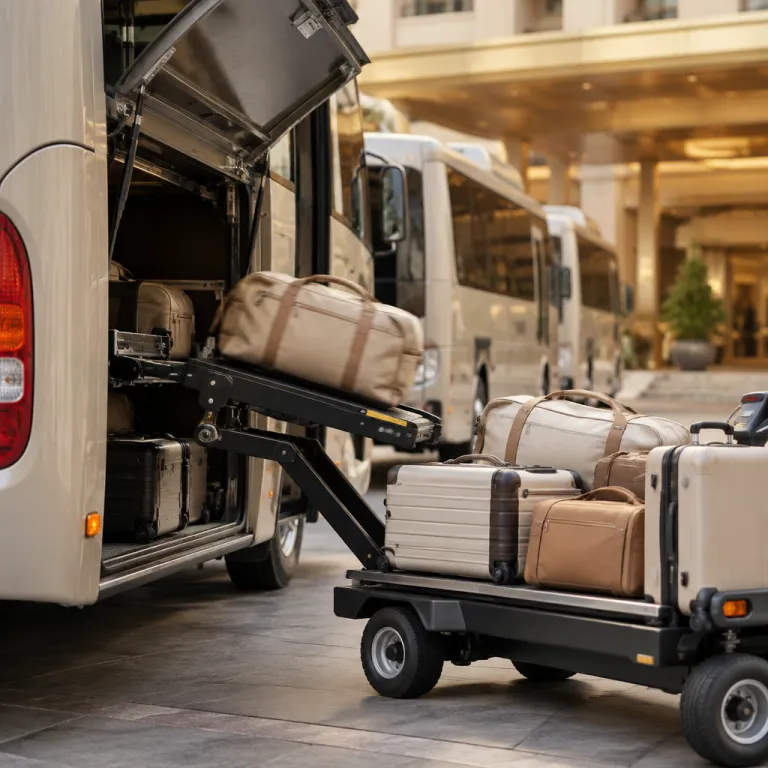
Aligning sports team transportation with airport and rail operations
For airlines, rail operators, and hotels, sports team transportation is no longer a side topic; it is a strategic extension of the end-to-end travel promise. When a professional, college, or high school sports team lands, the ground transfer to the hotel determines whether the overall journey feels orchestrated or fragmented, especially when the team travel plan includes tight training schedules, media obligations, and medical routines. A coordinated team charter or passenger charter solution that links flight or train arrival times with a dedicated team bus can transform a stressful transfer into a controlled, high-value touchpoint.
Operationally, every bus and charter coach used for sports transportation must be treated as a moving asset in the wider mobility ecosystem, not as an isolated rental. Airlines and rail companies that integrate transportation services into their disruption management tools can reassign a team bus or several buses in minutes when a game day flight is delayed, protecting both the sports team and fan groups from missed connections. This requires accurate passenger data, clear group size information, and a direct request-quote workflow between the carrier, the bus company, and the hotelier, so that all teams involved can adjust capacity, routing, and services in real time.
From a commercial perspective, sports team transportation creates premium B2B opportunities for mobility platforms and hotels that can guarantee reliable group travel between airport, station, and property. A well-designed charter bus offer with reclining seats, underfloor luggage storage, and on-board space for sports equipment allows travel managers to negotiate multi-day contracts that bundle accommodation, transportation, and ancillary services for several teams across a full season. When a carrier in Chicago or another major hub can provide a single quote that covers flights, rail segments, and bus rentals for every away game, the value for the team and for accompanying fan groups increases significantly.
Designing shuttle and shared mobility for elite and amateur teams
Shuttle and shared mobility models for sports teams must balance exclusivity for the squad with efficient use of each bus and driver. Elite sports team transportation often requires a dedicated team charter with a branded team bus, while amateur, college, or high school groups may accept shared transportation services that combine several teams on one route when game schedules align. The key is to match the right charter bus configuration, passenger capacity, and luggage storage to the specific team size and level, without compromising comfort, punctuality, or security.
For hotels and mobility platforms, the Sea Pines trolley-style approach to redefining hotel ground transport and shared mobility offers a useful blueprint. A loop-based system can serve multiple properties, training centers, and stadiums, while specific time slots are reserved as team charter windows for sports teams that need direct, non-stop travel before a game. During off-peak hours, the same buses can switch to fan groups or general passenger services, improving utilization and lowering the effective cost per day for each bus rental.
Shared mobility for sports transportation also opens new revenue streams for airlines, rail operators, and hotels that host recurring tournaments or multi-day events. By pre-packaging transportation services with room blocks and meeting spaces, travel managers can sell integrated game day and training day mobility bundles to several sports teams at once, each with a tailored quote and clear service level. When fan groups are added to the mix, a flexible combination of dedicated team transportation and semi-private group travel ensures that every passenger, from player to fan, experiences a coherent journey from arrival to the final game.
Transforming the hotel shuttle into a performance asset for teams
Traditional hotel shuttles were designed around individual passengers and airport transfers, not around the specific needs of a sports team. Modern sports team transportation requires that the hotel shuttle be reimagined as a modular team bus platform, with adjustable seating layouts, enhanced luggage storage, and secure storage zones for sports equipment. When a property can switch a standard shuttle into a full team charter configuration within an hour, it becomes a preferred base for both professional teams and high school tournaments.
The concept that the hotel shuttle has been redesigned as an experience applies even more strongly to sports transportation. Reclining seats, quiet zones for pre-game focus, and on-board hydration or nutrition services turn a simple bus rental into a performance environment that supports both physical recovery and tactical preparation. For fan groups, the same transportation services can be adapted with different seating zones, branded content, and flexible storage for flags and drums, creating a festive yet controlled atmosphere on every game day.
From the hotelier’s perspective, integrating sports team transportation into revenue management, group sales, and service-level planning is essential. Sales teams should be able to generate a combined quote that includes rooms, meeting spaces, and transportation services such as passenger charter options, multi-day bus rentals, and late-night returns after a game. When the bus company, the hotel, and the airline or rail partner share clear data on group size, arrival times, and team travel patterns, they can optimize fleet allocation and staffing, ensuring that every team and every fan group receives the right level of service without unnecessary empty runs.
Airport and station to hotel journeys for sports teams and fan groups
Airport and station transfers for sports teams are high-stakes operations where timing, security, and brand image converge. A misaligned bus schedule or an undersized team bus can cascade into late arrivals, rushed check-in, and compromised game preparation, especially when the sports team has a tight training window on the same day. Airlines and rail operators that embed sports team transportation into their ground handling playbooks can guarantee that each passenger, from star player to staff member, moves from aircraft or platform to hotel with minimal friction.
In major hubs such as Chicago, where multiple games and tournaments often overlap, coordination between the bus company, mobility platforms, and hotels becomes even more critical. Centralized transportation services that manage bus rentals, passenger charter options, and team charter schedules across several teams allow operators to match bus size and storage capacity to real-time demand. When travel managers can request a quote through a single interface that covers airport transfers, hotel-to-stadium shuttles, and multi-day itineraries, they gain both cost control and operational resilience.
Fan groups require a slightly different approach, even though they often share similar routes with the sports team. Dedicated fan buses with reclining seats, clear luggage storage policies, and flexible pick-up points near rail stations or airport hotels can reduce congestion at terminals and improve the overall passenger experience. By separating team transportation from fan group services while still coordinating departure times and routes, mobility actors ensure that the sports teams enjoy a focused environment, and that fans benefit from safe, festive, and reliable travel to every game day event.
Operational standards, safety, and comfort in sports team transportation
High-quality sports team transportation depends on rigorous operational standards that go beyond typical group travel requirements. Every charter bus used for a sports team should meet strict safety criteria, offer reliable luggage storage for equipment, and provide reclining seats that support recovery on long multi-day journeys. For high school teams, where duty of care is especially sensitive, travel managers must verify that each bus company has appropriate licensing, insurance, and driver training for both day trips and overnight transportation services.
Comfort is not a luxury for sports teams; it is a performance factor that influences how players arrive mentally and physically at the hotel and the game venue. A well-specified team bus with climate control, quiet zones, and adequate storage for nutrition and medical equipment can make the difference between a calm pre-game routine and a distracted, uncomfortable ride. Fan groups also benefit from these standards, as buses with reclining seats, clear safety briefings, and structured boarding processes reduce stress and improve the overall perception of the airline, rail operator, or hotel that arranged the transportation.
To manage these expectations consistently, mobility platforms and hotels should define clear service level agreements for all sports transportation partners. These agreements should specify maximum passenger numbers per bus, minimum luggage storage capacity, cleaning standards between groups, and contingency plans for delays or equipment failures on game day. When travel managers can request a quote that transparently details these elements for both single-day and multi-day bus rentals, they can compare offers on more than price alone and select the transportation services that truly support the needs of their sports teams and fan groups.
Commercial models and digital orchestration for team and fan mobility
Commercially, sports team transportation sits at the intersection of group sales, event management, and mobility-as-a-service. Airlines, rail operators, and hotels that treat each sports team as a recurring client rather than a one-off group can design season-long contracts that bundle flights, rooms, and bus rentals into predictable revenue streams. These contracts often include a mix of dedicated team charter services, flexible passenger charter options for staff and media, and scalable fan group transportation for key games.
Digital orchestration is the backbone of these models, enabling real-time coordination between the bus company, the hotel, and the carrier. A centralized platform that manages every request quote, tracks bus size and availability, and aligns game day schedules with airport and station arrivals allows travel managers to adjust capacity quickly when teams progress further in a tournament or when fan groups grow unexpectedly. When integrated with hotel property management systems and airline or rail operations tools, such platforms can automatically trigger additional transportation services when room blocks or passenger loads exceed predefined thresholds.
For mobility actors, transparent pricing and clear communication are essential to building trust with sports teams and their travel managers. Each quote should specify whether the offer covers a single-day transfer, a multi-day itinerary with several games, or a full season of team travel, and should detail included services such as luggage storage, on-board amenities, and driver standby time. By aligning commercial structures with the real operational needs of sports teams, high school tournaments, and fan groups, the entire ecosystem can deliver sports transportation that feels seamless from the first booking to the final game transfer.
Key statistics shaping airport to hotel mobility for sports teams
- Industry analyses of major events suggest that sports-related air travel accounts for millions of passenger journeys per year worldwide, creating sustained demand for coordinated airport to hotel transportation services for both teams and fan groups.
- Data published by the American Bus Association (ABA) indicate that charter bus and bus rental operations in North America move hundreds of millions of passengers annually, with sports transportation and high school activities representing a significant share of multi-day and game day charters.
- Major league franchises in North America typically play more than 40 away games per season, which means that each professional sports team may require dozens of coordinated team bus transfers between airports, stations, hotels, and stadiums every year.
- Industry surveys of travel managers show that more than half now include ground transportation performance indicators, such as on-time arrival and luggage handling quality, in their evaluation of hotel and mobility partners for sports teams.
- Urban destinations like Chicago, which host multiple professional and college sports teams, often manage several large fan groups on the same game day, making integrated planning between airlines, rail operators, bus companies, and hotels essential to avoid congestion and delays.
FAQ about sports team transportation between airport, station, and hotel
How should airlines and rail operators plan ground transfers for sports teams?
Carriers should integrate sports team transportation into their operations planning, aligning flight or train schedules with pre-booked charter bus services that match the exact team size and equipment needs. This includes reserving sufficient luggage storage, coordinating with the hotel on check-in times, and establishing contingency plans for delays so that game preparation is not compromised.
What makes a bus suitable for professional and high school sports teams?
A suitable team bus offers enough passenger capacity, secure luggage storage for sports equipment, and reclining seats that support comfort on both short and multi-day journeys. Safety certifications, experienced drivers, and the ability to adapt seating layouts for different teams are also critical factors for both professional and high school groups.
How can hotels turn their shuttle into a competitive advantage for sports teams?
Hotels can redesign their shuttle services as flexible transportation platforms that switch between individual passenger transfers, dedicated team transportation, and fan group services. By partnering with a reliable bus company and offering integrated quotes that bundle rooms, meeting spaces, and transportation services, they become more attractive to travel managers organizing tournaments or repeated game day stays.
What role do mobility platforms play in coordinating team and fan travel?
Mobility platforms act as digital orchestrators, connecting airlines, rail operators, bus companies, and hotels on a single interface. They allow travel managers to request quotes, monitor bus availability, and adjust capacity for sports teams and fan groups in real time, especially during large events or in busy hubs such as Chicago.
How can travel managers control costs while maintaining quality in sports transportation?
Travel managers can negotiate season-long or multi-day contracts that combine flights, accommodation, and bus rentals, gaining volume-based pricing while locking in service standards. By comparing detailed quotes that specify passenger capacity, luggage storage, and included services, they can select transportation partners that deliver both cost efficiency and reliable performance for every game day transfer.