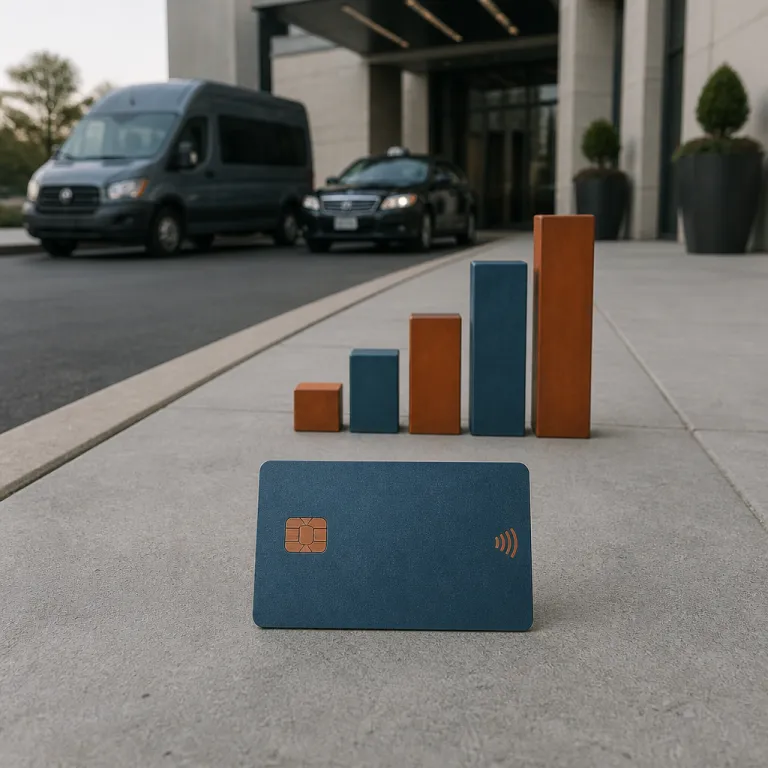
Why hotel loyalty mobility attribution is now a boardroom question
Hotel loyalty mobility attribution has moved from side project to board priority. When Accor links its hotel loyalty program with Uber, or Hilton connects its loyalty programs to Lyft rides, executives suddenly ask whether these rewards really change guest behaviour or simply reward inevitable stays. For compagnies aériennes, rail operators, mobility platforms and hoteliers, the question is no longer whether to add transport rewards, but how to measure the loyalty lift they actually generate for hotels and their guests.
Every revenue and commercial director now faces the same dilemma ; mobility perks feel intuitively powerful for the guest experience, yet the data rarely proves incremental revenue with confidence. A guest might earn points for an airport transfer, enjoy instant recognition at check in, and share the seamless experience on social media, but attribution models must separate emotional satisfaction from measurable changes in stay frequency, length of stay, and total spend. Without rigorous hotel loyalty mobility attribution, loyalty programs risk becoming expensive marketing theatre, where members enjoy free rides while hotels and mobility partners quietly erode margins.
The stakes are high for independent hotels and global chains alike. When ride credits, EV shuttle rides or rail vouchers are bundled into a loyalty program, they compete with room upgrades, F&B rewards and late checkout for the same pool of points and budget. If mobility rewards do not demonstrably increase guest revenue or capture a larger share of transport spend that would otherwise flow to third party apps, then hotels, compagnies aériennes and transfer platforms are effectively subsidising behaviour that would have happened anyway.
Unbundling the mobility effect inside complex loyalty programs
The core challenge of hotel loyalty mobility attribution is that mobility perks rarely stand alone. A typical loyalty program bundles ride credits, hotel rewards, status recognition, free breakfast and late checkout into a single experience, which makes it hard to isolate the impact of any one benefit on guest behaviour. When members redeem points for both a ride to the hotel and a suite upgrade during the same stay, standard loyalty reporting cannot tell you which element actually drove the booking.
To move beyond vanity metrics, revenue leaders need a deep dive into how different cohorts of guests respond to mobility rewards compared with other benefits. Matched pair testing is one of the most reliable approaches ; one group of loyalty members receives a ride credit, while a similar group receives an equivalent cash credit or F&B voucher, and hotels then compare incremental nights, total revenue and repeat stay patterns. This type of structured experiment turns raw party data from mobility partners into actionable first party data that can be analysed alongside booking history, rate codes and channel mix.
Time series analysis adds another layer of clarity for hotel loyalty mobility attribution. By tracking booking frequency, average daily rate and ancillary revenue before and after the launch of transport rewards, hotels and mobility partners can estimate whether the new perks shifted behaviour or simply shifted costs. For multi modal partnerships that bundle rides, bikes and transit into one guest pass, structured as integrated mobility packages that drive ancillary revenue, the same logic applies ; attribution requires separating the effect of the mobility bundle from broader marketing campaigns, seasonal demand and macro trends.
Designing attribution ready mobility partnerships and revenue deals
Most mobility partnerships are negotiated around headline benefits, not measurement discipline. A hotel signs with a ride hail platform, offers members instant ride credits as rewards, and celebrates the marketing splash, while the contract barely mentions how data will flow back into the loyalty program for proper hotel loyalty mobility attribution. For revenue and commercial directors, this is a missed opportunity to align incentives between hotels, mobility providers and guests.
Attribution ready deals start with clear definitions of success ; incremental revenue per guest, increased share of transport spend captured through loyalty channels, or higher retention among loyalty program members who use mobility rewards. Contracts should specify how anonymised ride data, voucher redemptions and no show patterns will be shared as structured party data, so that hotels can match it with stay records and calculate the true impact on guest experience and revenue. When mobility partners hesitate, pointing to privacy or technical constraints, middleware and secure APIs can bridge systems without exposing sensitive information.
Structuring revenue share agreements for car rental or ride hail partnerships also benefits from this attribution mindset. When hotels negotiate car rental revenue share deals that benefit both the front desk and the fleet, they can tie commission tiers to measurable outcomes such as repeat bookings from loyalty members who used transport rewards during their previous stay. This approach turns loyalty programs from generic marketing tools into performance based ecosystems, where each party shares both the upside and the responsibility for delivering tangible value to guests and hotels.
Building the data spine for hotel loyalty mobility attribution
The most elegant attribution model fails without solid data plumbing. Many hotel loyalty platforms still treat mobility rewards as external vouchers, recorded in separate systems that never feed back into the central guest profile, which makes robust hotel loyalty mobility attribution almost impossible. When ride hail transactions, rail tickets or airport transfer bookings sit in disconnected databases, revenue leaders cannot link them to specific stays, room types or rate codes.
Solving this requires a deliberate data strategy that treats mobility as a core part of the guest experience, not an add on. Hotels need a unified view of members that combines booking history, loyalty points balances, mobility redemptions and on property spend into a single profile, supported by clear data governance and privacy controls. As one industry analysis put it with precision, “Mobility data without a strategy is just noise ; building the analytics layer hotels actually use means connecting ride transactions, guest profiles, and revenue outcomes in one coherent model.”
Once this foundation is in place, analytics teams can run a proper deep dive into how mobility rewards influence behaviour across segments. They can compare business travellers who regularly use airport transfers against leisure guests who redeem points for city rides, and measure differences in stay frequency, length of stay and total revenue. Over time, this allows hotels and mobility partners to refine loyalty personalization, prioritising the mobility perks that genuinely shift behaviour, while phasing out rewards that generate cost without measurable lift.
What makes mobility perks sticky, and how to measure their lift
Not all mobility rewards are created equal. Some perks become part of the guest’s travel ritual, like the EV shuttle that is always waiting and earns extra loyalty points, while others feel disposable, such as a one off ride voucher that expires before the next stay. For hotel loyalty mobility attribution to be meaningful, revenue leaders must understand which characteristics make a mobility perk sticky enough to change behaviour.
Frequency of use is the first signal ; a reward that guests redeem on every stay, such as a guaranteed airport transfer or station pickup, has a higher chance of driving loyalty than a rare upgrade. Perceived value relative to alternatives matters just as much, because a ride credit that barely covers a short trip in a high cost city will not impress frequent travellers who already rely on their preferred mobility apps. Ease of redemption at the moment of need is the final ingredient, since guests will only change habits if the loyalty program makes the mobility option feel instant, integrated and reliable.
To quantify lift, hotels and mobility partners should track metrics such as incremental nights booked per loyalty member after introducing mobility rewards, the share of transport spend captured through loyalty channels versus third party apps, and the redemption rate of ride credits compared with other reward types. Survey based attribution can complement behavioural data, asking guests to rank which elements of the loyalty program most influenced their decision to book again, while carefully separating mobility perks from room benefits and status recognition. Over time, this combination of quantitative and qualitative signals turns hotel loyalty mobility attribution from a theoretical exercise into a practical tool for shaping future partnerships and guest experience design.
FAQ
How can hotels isolate the impact of mobility rewards from other loyalty benefits ?
Hotels can isolate the impact of mobility rewards by running controlled experiments where one cohort of loyalty members receives transport perks and another receives equivalent non mobility benefits. By comparing booking frequency, length of stay and total revenue between these groups, revenue leaders can estimate the incremental effect of mobility rewards. Time series analysis before and after the launch of mobility perks provides an additional layer of evidence.
Which metrics matter most for hotel loyalty mobility attribution ?
The most useful metrics include incremental nights booked per loyalty member after introducing mobility rewards, the share of transport spend captured through loyalty channels, and the redemption rate of ride credits compared with other reward types. Hotels should also track repeat booking rates among members who use mobility perks versus those who do not. Combining these indicators offers a clearer view of whether mobility rewards genuinely drive loyalty or simply add cost.
What data integrations are required between hotels and mobility partners ?
Effective attribution requires secure integration of ride or ticket transaction data into the hotel’s central guest profile system. Mobility partners should share anonymised identifiers, timestamps, spend amounts and voucher usage, which hotels can match with stay records and loyalty program activity. Middleware platforms or APIs often bridge different systems while maintaining privacy and compliance.
How should independent hotels approach mobility partnerships for loyalty programs ?
Independent hotels should start with focused partnerships that solve specific guest pain points, such as reliable airport transfers or late night station pickups. Contracts should define clear success metrics, data sharing rules and revenue share structures that support both the property and the mobility provider. Even small scale pilots can generate valuable insights for hotel loyalty mobility attribution before expanding to broader programs.
Can survey data help attribute loyalty lift to mobility perks ?
Survey data can complement behavioural analytics by capturing guests’ stated preferences and perceived value of mobility rewards. Hotels can ask members to rank which loyalty benefits most influenced their decision to book again, explicitly separating transport perks from room upgrades and status recognition. While self reported data is not perfect, it helps validate or challenge patterns observed in transactional data.