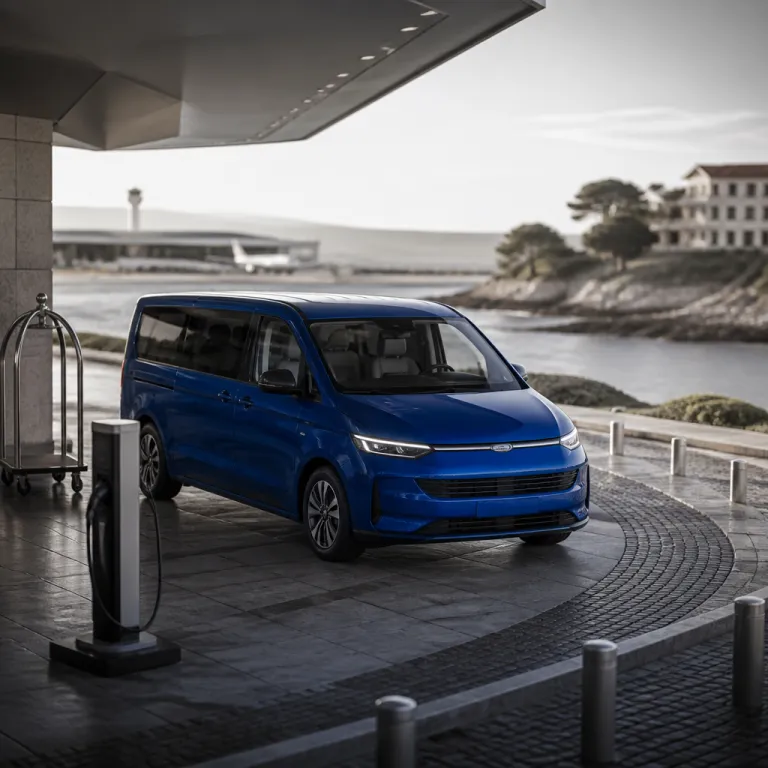
Why oyster bay cove airport transfer is now a strategic hospitality asset
For airlines, rail operators, and hoteliers, the oyster bay cove airport transfer is no longer a peripheral amenity. It has become a core part of the end to end travel experience, shaping how guests perceive every airport transportation touchpoint from the first airport car greeting to the final Oyster Bay hotel arrival. When the ride from JFK airport to the north shore feels effortless, the entire journey feels shorter, calmer, and more human.
Oyster Bay on Long Island sits at a strategic distance from major airports, which makes every minute of airport transfers critical for guest satisfaction and operational reliability. Average transfer times of around 45 minutes from JFK to Oyster Bay and 35 minutes from LaGuardia, based on typical routing via the Long Island Expressway and Northern State Parkway, are consistent with estimates from tools such as Google Maps and state DOT travel-time data. These mid range long distance rides mean that a poorly planned journey can erase the memory of an otherwise smooth flight or rail segment. For travel managers and executive teams, this is precisely where a curated Oyster Bay airport transfer program becomes a lever for loyalty, not just a cost center.
Premium providers such as Detailed Drivers and 365 Airport Transfer illustrate how a well designed car service can elevate the entire north shore narrative for discerning travelers. Their use of GPS navigation, real time flight tracking, and 24/7 customer support hotlines turns a simple car ride into a predictable, luxury experience that airlines and hotels can confidently integrate into their own service promises. When transportation partners operate with this level of discipline, every stakeholder from the airline gate agent to the hotel concierge can commit to precise arrival windows and consistent guest handoffs.
Building integrated ground transport partnerships from jfk to the north shore
Designing a resilient Oyster Bay cove transfer ecosystem starts with tight integration between airlines, rail operators, and mobility platforms. Flight tracking data, rail delay feeds, and hotel check in windows must flow seamlessly into the dispatch systems of airport transportation partners managing sedans, SUVs, black car fleets, and shuttle style group rides. Without this data sharing, even the best chauffeur teams are forced into reactive mode instead of proactive orchestration.
In practice, the most effective partnerships around Oyster Bay and the wider Long Island corridor use shared KPIs that link on time performance for flights with on time performance for airport transfers. When a JFK arrival is delayed, the airport car provider automatically adjusts the schedule, reallocating a luxury sedans unit or a larger bay car to match revised passenger loads. This is where executive level agreements between airlines, rail companies, and car service operators become more important than ad hoc, last minute bookings that leave guests waiting at the curb.
Staffing models are another critical pillar, especially for private black car and limo service operations that serve both individual and group segments. For decision makers evaluating capacity planning, resources such as the analysis on airport transfer staffing in a tight labor market offer concrete frameworks to hold service levels at 90 percent peak load. When these models are applied to the Oyster Bay catchment area, operators can maintain service quality even during holiday surges and irregular operations, keeping average wait times under 10 minutes for pre booked rides.
Designing guest centric transfer journeys for hotels and travel managers
For hoteliers and travel managers, the Oyster Bay cove airport shuttle or private transfer is often the first and last physical contact point of a stay. A thoughtfully curated airport transportation journey can turn a routine ride into a signature brand moment, especially for luxury and executive travelers arriving on long haul flights into JFK airport. The goal is to choreograph every step, from booking to drop off, so that the guest never has to think about logistics or chase updates.
Leading Oyster Bay properties now treat airport car and car service partners as an extension of their own concierge équipe, not as anonymous vendors. They pre book private black car or luxury sedans options for VIPs, while offering shared group rides or sedans and SUVs for corporate travelers who prioritize value and sustainability. For leisure guests exploring the island, hotels often propose long distance itineraries that combine coastal Oyster Bay stops with north shore cultural visits, all wrapped into a single transportation package that can be billed back to the room or corporate account.
Digital touchpoints are central to this orchestration, especially when guests arrive at irregular flights hours or during peak holiday weekends. Travel managers increasingly rely on integrated booking flows that allow them to book a bay car, confirm chauffeur details, and share live tracking links with travelers in one interface. To stress test these systems before the summer surge, many operators draw on best practices such as those outlined in this guide to stress testing airport transfer operations, then adapt the scenarios to the specific Oyster Bay geography and hotel cluster patterns.
Operational excellence from booking to drop off in oyster bay
Behind every seamless Oyster Bay cove airport transfer lies a disciplined operational backbone that airlines and hotels can trust. The most reliable providers in Oyster Bay operate 24/7, with clear timelines that start at booking confirmation and end only when the passenger reaches the final cove side or bayside address. This rigor is especially important for long distance transfers from JFK or other airports when delays can cascade across an entire day of rides.
Best practice begins with diversified booking channels, including online booking, phone reservations, and in person requests coordinated through hotel desks or corporate travel teams. Once a reservation is in place, dispatchers use GPS navigation and real time flight tracking systems to align chauffeur arrival with actual flights hours, not just scheduled times. This approach reduces idle time for black car and limo service fleets while protecting the guest from unnecessary waiting at the airport curb and improving vehicle utilization rates.
Providers such as Detailed Drivers and 365 Airport Transfer show how this operational discipline translates into tangible value for hospitality partners. In one documented north shore case study shared with corporate clients, a series of rolling delays pushed a transatlantic arrival three hours late; the transfer partner consolidated three separate bookings into a single upgraded SUV, held on time pickup performance above 95 percent for the day, and absorbed the schedule shock without visible impact on guests. By capturing metrics such as average wait time, vehicle utilization, and guest satisfaction scores after each disruption, operators create a feedback loop that continuously strengthens their Oyster Bay transfer operations.
Aligning premium vehicle choices with guest profiles and brand positioning
Vehicle selection within an Oyster Bay cove airport transfer program sends a powerful signal about brand positioning. For premium airlines, rail operators, and five star hotels, aligning black car fleets, luxury sedans, and high end sedans and SUVs with guest expectations is as important as seat configuration on board. The right mix of vehicles allows operators to serve solo travelers, families, and corporate groups without compromising comfort, safety, or efficiency.
Private executive travelers typically favor discreet black car options with ample luggage space for long haul journeys between JFK airport and the north shore. Corporate travel managers, by contrast, often prioritize flexible bay car configurations that can handle rotating group arrivals across multiple flights hours. For leisure guests exploring Oyster Bay and the wider Long Island region, a blend of sedans, SUVs, and occasional limo service vehicles can transform a simple transfer into a curated island itinerary that links beaches, marinas, and cultural venues.
Strategic fleet planning also supports sustainability and cost control, two priorities that now sit high on every mobility actor’s agenda. By analyzing demand patterns for airport transportation into Oyster Bay, operators can right size their mix of routes and vehicle classes, assigning smaller sedans to low volume periods and larger vehicles to peak group movements. This data driven approach ensures that every airport car or car service asset is used efficiently while still delivering a luxury experience that matches the hotel or airline brand and keeps cost per occupied mile within target.
Risk management, guest reassurance, and continuous improvement
Resilient Oyster Bay cove airport transfer operations are built on clear risk management frameworks that reassure both guests and corporate partners. Airlines and hotels need confidence that their transportation providers can handle disruptions, from sudden weather events to rail delays that push arrivals into late flights hours. This is especially true for long distance transfers across Long Island, where congestion can quickly erode schedule buffers and strain crew duty limits.
Robust contingency planning starts with diversified routing options between JFK, LaGuardia, and Oyster Bay, including alternative north shore corridors that bypass known bottlenecks. Providers maintain flexible rosters of chauffeurs and vehicles so that a private executive car can be swapped for a larger bay car or sedans and SUVs when group sizes change at the last minute. As one industry FAQ notes, “How much does an airport transfer to Oyster Bay cost? Prices vary; contact providers for quotes. Are child seats available during transfers? Yes, upon request; confirm with provider. Do services operate during holidays? Yes, most providers offer 24/7 service.”
Continuous improvement closes the loop, with mobility actors using post ride feedback from airlines, rail partners, and hoteliers to refine every aspect of service delivery. Regular reviews of airport transfers performance, from on time metrics to guest satisfaction scores, help identify where a limo service or black car operation might need extra training or technology upgrades. For organizations seeking structured stress testing methods, resources such as this guide on stress testing airport transfer operations before peak periods provide a practical blueprint that can be tailored to the specific realities of Oyster Bay and the surrounding communities.
Key figures shaping oyster bay cove airport transfer strategies
- Average transfer time from JFK to Oyster Bay is around 45 minutes, which positions the route as a mid range long distance segment where small delays can significantly affect hotel check in flows and crew rotations. These figures align with typical drive time estimates reported by mapping platforms for standard traffic conditions.
- Average transfer time from LaGuardia to Oyster Bay is around 35 minutes, giving airlines and rail operators a slightly shorter ground window to coordinate airport transportation with baggage delivery and immigration processing.
- Most premium providers in the Oyster Bay area operate 24/7, allowing airlines, rail companies, and hotels to support arrivals and departures at all flights hours, including late night and early morning operations.
- Real time flight tracking is now standard among leading airport car and car service operators, enabling automatic adjustment of chauffeur dispatch times and reducing guest waiting time at the airport curb.
- Growing demand for private and executive transfers has led many operators to expand their fleets of black car and luxury sedans, while still maintaining sedans, SUVs, and group vehicles for corporate and leisure segments.
FAQ about oyster bay cove airport transfer for hospitality partners
How much does an airport transfer to Oyster Bay typically cost for guests ?
Pricing for Oyster Bay cove airport transfer services varies by distance, vehicle type, and time of day. Private black car or luxury sedans options from JFK airport to the north shore usually command higher rates than shared group rides or standard sedans and SUVs. As a broad reference band, one way private transfers on this corridor often range from approximately $120 to $220, while shared or shuttle style options can start closer to $60 to $90, depending on provider policies and seasonal demand.
How long does the transfer from JFK or LaGuardia to Oyster Bay take ?
Under normal traffic conditions, the transfer from JFK to Oyster Bay averages about 45 minutes, while LaGuardia to Oyster Bay averages about 35 minutes. These figures can increase during peak travel periods or adverse weather, so travel managers should build buffers into itineraries. Coordinating airport transfers with real time flight tracking helps minimize the impact of delays on hotel arrivals and crew movements and keeps on time pickup performance close to internal targets.
Are child seats and accessibility options available in Oyster Bay transfer services ?
Most professional airport transportation providers serving Oyster Bay offer child seats on request, as well as accessible vehicles in parts of their fleets. Travel managers and hoteliers should specify these needs at the time of booking, especially for long distance rides from JFK or other airports. Clear communication ensures that the assigned bay car, SUV, or limo service vehicle matches the family or accessibility requirements and complies with local safety regulations.
Do airport transfer services operate during holidays and late night hours ?
Leading providers in the Oyster Bay and Long Island corridor operate 24/7, including major holidays and overnight flights hours. This continuous coverage is essential for airlines, rail operators, and hotels managing irregular operations or late arrivals. Partners should still confirm specific service levels and response times during peak holiday periods when demand for private and group rides can spike and vehicle availability may tighten.
What booking practices help ensure a smooth oyster bay cove airport transfer ?
Booking in advance is the most effective way to secure availability for preferred vehicle types, especially black car or luxury sedans. Providing accurate flight information, passenger counts, and luggage details allows airport car and car service operators to assign the right sedans, SUVs, or group vehicles. Confirming pickup details before arrival, including meeting points inside the airport, reduces stress for guests and streamlines coordination for airlines and hotels, resulting in fewer missed connections and smoother check in flows.