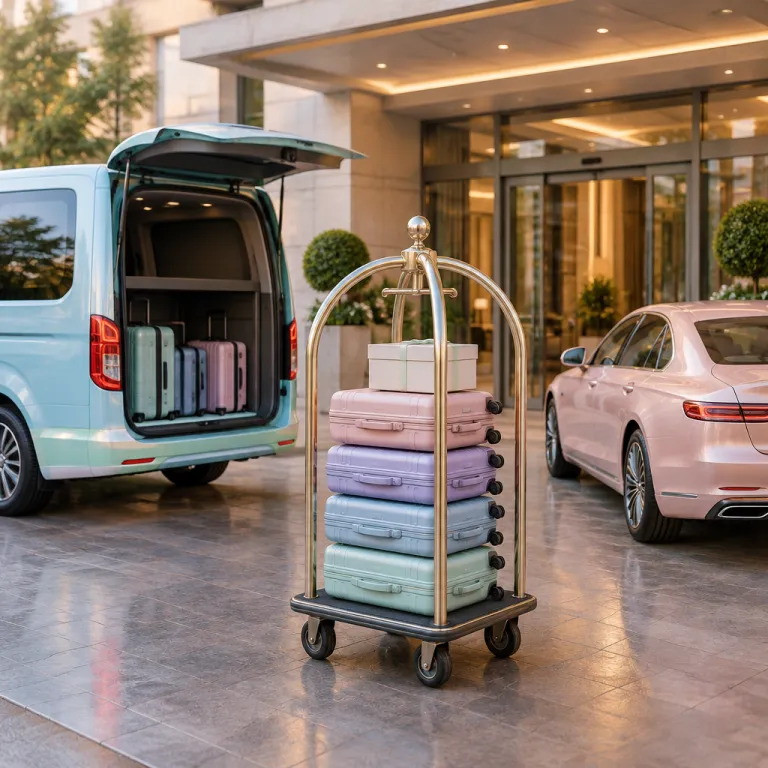
Corporate transportation as a strategic extension of the hotel experience
Corporate transportation now shapes the first and last impression of every hotel stay. For airlines, rail operators, mobility providers, transfer platforms, travel managers, and hoteliers, the transportation service between airport or station and property has become a core business asset rather than a peripheral cost. When the executive journey is seamless, every vehicle, every car service touchpoint, and every minute of travel time reinforces brand trust.
For corporate clients, the line between business and leisure is increasingly blurred, so airport transportation must feel both efficient and human. A well designed executive transportation program links airport transfers, chauffeur service, and hotel arrivals into one coherent narrative that reassures executives and business travelers at each step. This is where professional chauffeurs, coordinated group transportation, and tailored event transportation turn a simple transfer into a curated mobility experience.
Hotels that treat transportation services as part of their core corporate travel offer see higher satisfaction scores and stronger loyalty. When a corporate car or fleet of sprinter vans is branded, connected, and integrated with meetings schedules, the hotel becomes a mobile office and lounge for executives on the move. In this context, corporate transportation is not just a limo service or an airport transportation solution, but a strategic layer of hospitality that binds together rooms, meetings, and events.
Aligning mobility programs with corporate travel policies
Travel managers expect every transportation service to align with duty of care, sustainability, and cost control. To meet these expectations, airlines, rail companies, and hotels must co design corporate transportation frameworks that integrate executive airport transfers, event transportation, and group transportation into existing corporate travel policies. This alignment allows each corporate car service or limo service booking to be tracked, audited, and optimized like any other business travel expense.
When mobility actors and transfer platforms collaborate with hotel sales teams, they can build corporate events packages that include guaranteed airport transportation and on demand chauffeur service. Such integrated offers reassure business travelers that every vehicle, from sedans to sprinter vans, is vetted, insured, and operated by professional chauffeurs under clear service level agreements. For incentive trips and high value meetings, this approach turns transportation services into a measurable lever for both guest satisfaction and corporate compliance.
Designing robust corporate mobility programs for high impact destinations requires granular planning of airport transfers, local transportation, and last mile car service. A practical checklist for travel managers and hoteliers typically covers: minimum fleet standards and vehicle age; response time targets for bookings and changes; clear escalation paths for incidents; and contingency plans for disruptions. By embedding these standards into contracts, every corporate event and every meeting benefits from predictable, professional transportation services that respect both budgets and traveler wellbeing.
From airport or station to lobby: orchestrating the end to end journey
The journey from executive airport terminal or rail platform to hotel lobby is often the most stressful segment of corporate travel. Business travelers juggle luggage, messages, and meetings while navigating unfamiliar transportation networks and unpredictable traffic. A well structured corporate transportation program removes this friction by synchronizing airport transfers, vehicle allocation, and chauffeur service with real time flight or train data.
For airlines and rail operators, partnering with hotels and mobility platforms to offer pre booked airport transportation creates a continuous service chain. When a car service or limo service is confirmed at the same time as the ticket and room, executives gain confidence that their time between airport and hotel is fully protected. This integrated approach also allows transportation services providers to optimize fleet usage, matching sprinter vans for group transportation and premium vehicles for executive transportation without last minute improvisation.
Luxury properties increasingly rely on curated mobility experiences to differentiate their corporate events and meetings offering. By coordinating professional chauffeurs, branded vehicles, and flexible transfers, they transform a standard transportation service into a signature of their hospitality philosophy. For a deeper look at how a high touch approach can reshape this segment, many travel managers now study the model of a luxury travel concierge for the journey from airport or station to the hotel.
Operational excellence for multi segment corporate itineraries
Complex corporate travel itineraries often combine multiple airports, rail hubs, and hotels across several cities. In such scenarios, a fragmented mix of local transportation services, ad hoc car service bookings, and uncoordinated limo service providers quickly erodes reliability. A centralized executive transportation strategy, managed through a single platform or dedicated team, ensures consistent standards for every vehicle, every transfer, and every chauffeur service engagement.
For group transportation linked to conferences or roadshows, operational excellence depends on precise time management and clear communication. Professional chauffeurs must receive real time updates on flight delays, meeting overruns, and last minute changes to corporate events agendas. When the transportation service is fully integrated with event management tools, the hotel and mobility team can reassign sprinter vans, adjust pick up times, and protect the business travel schedule without burdening executives.
Rail operators and airlines that embed such orchestration into their premium products can extend their brand promise beyond the aircraft or train. By guaranteeing airport transfers, executive airport pick ups, and coordinated event transportation, they position themselves as full journey partners for corporate travel buyers. This holistic approach to corporate transportation strengthens long term contracts and creates new business opportunities around bundled mobility and accommodation services.
Designing corporate transportation programs for meetings and events
Meetings, incentives, conferences, and exhibitions place unique pressure on transportation services. A single corporate event may require simultaneous airport transfers for hundreds of business travelers, on site shuttle loops between hotels and venues, and late night car service for executives. Without a structured corporate transportation program, these movements generate delays, frustration, and hidden costs for both organizers and hotels.
Successful event transportation design starts with a detailed mobility map of arrivals, departures, and intra city travel. Planners must define how many sprinter vans, sedans, and larger vehicles are needed at each time slot, and which professional chauffeurs are assigned to VIP executives versus general group transportation. When this plan is shared across airlines, rail partners, transfer platforms, and hotel teams, every transportation service becomes a coordinated element of the wider corporate travel strategy.
For recurring corporate events hosted at the same destination, hoteliers can negotiate long term agreements with executive transportation providers. These agreements typically cover airport transportation, chauffeur service standards, and contingency fleets for last minute meetings or extended business travel. To understand how such partnerships elevate the guest journey, many stakeholders refer to best practices in corporate transportation services that elevate the journey, which highlight the value of consistent service quality and clear communication.
Balancing VIP expectations with operational constraints
Corporate events often mix senior executives, key clients, and larger groups of employees, each with different expectations. Executive transportation for C level leaders usually involves premium vehicles, discreet professional chauffeurs, and flexible pick up times aligned with confidential meetings. At the same time, group transportation for wider teams must remain efficient, punctual, and cost effective, using sprinter vans or minibuses to optimize both time and budget.
Travel managers and hoteliers must therefore segment their corporate transportation offer without fragmenting operations. One practical approach is to define clear tiers of transportation service, from standard airport transfers for most business travelers to bespoke car service or limo service for top executives. A simple reference table can help: sedans for individual travelers and mid level managers; SUVs or premium cars for senior leaders; sprinter vans or minibuses for project teams and conference shuttles. By communicating these tiers in advance, airlines, rail partners, and transfer platforms can align expectations and avoid last minute disputes at the executive airport curbside.
Data from past corporate events should inform future mobility planning, especially regarding peak arrival times, preferred vehicle types, and average transfer durations. When transportation services providers share anonymized data with hotel and corporate clients, they enable more accurate forecasting and better ROI measurement for business travel budgets. Over time, this data driven approach turns corporate transportation from a reactive cost center into a proactive lever for guest satisfaction and operational excellence.
Technology, data, and integration across the mobility ecosystem
Digital integration now underpins every high performing corporate transportation program. Airlines, rail operators, hotels, and mobility platforms increasingly rely on APIs to connect booking systems, transportation service providers, and traveler apps into a single ecosystem. This connectivity allows real time updates on airport transfers, vehicle locations, and chauffeur assignments to flow seamlessly between all stakeholders.
For business travelers, the most visible benefit is transparency. They can see their car service or limo service details, track the vehicle approaching the executive airport terminal, and adjust pick up times directly from their mobile devices. Behind the scenes, professional chauffeurs receive updated flight information, while hotel teams monitor arrivals dashboards to coordinate check in, meetings, and corporate events schedules.
Data analytics also play a central role in optimizing transportation services and corporate travel policies. By aggregating information on transfer durations, no show rates, and vehicle utilization, travel managers can identify patterns that affect both cost and traveler satisfaction. Over time, these insights support more accurate forecasting of group transportation needs, smarter deployment of sprinter vans, and better alignment between executive transportation capacity and real demand.
Sustainability and ESG in corporate mobility programs
Environmental, Social, and Governance (ESG) criteria now influence most corporate travel decisions, including transportation. Companies expect their corporate transportation partners to offer low emission vehicles, transparent reporting on CO₂, and fair working conditions for professional chauffeurs. Airlines, rail operators, and hotels that integrate sustainable transportation services into their offers gain a clear competitive advantage in B2B negotiations.
Practical steps include prioritizing hybrid or electric vehicles for airport transportation, especially for short distance transfers between executive airport terminals and city center hotels. For group transportation, replacing multiple small cars with shared sprinter vans or minibuses can significantly reduce emissions per traveler while maintaining comfort. Travel managers can then incorporate these improvements into their corporate travel reports, demonstrating measurable progress toward sustainability KPIs.
Social aspects matter as much as environmental ones. Ensuring that chauffeur service providers respect working time regulations, training standards, and safety protocols directly impacts traveler wellbeing and corporate duty of care. When transportation services partners share audited data on these topics, they reinforce trust and help airlines, rail companies, and hoteliers present a coherent, responsible mobility narrative to their corporate clients.
Governance, risk management, and duty of care
Risk management is a non negotiable pillar of any corporate transportation strategy. Business travelers rely on airlines, rail operators, and hotels to ensure that every transportation service, from airport transfers to late night car service, meets strict safety standards. This responsibility extends to vehicle maintenance, driver vetting, insurance coverage, and emergency response protocols.
For executive transportation, the stakes are even higher, as senior leaders often travel under tight schedules and heightened security requirements. Professional chauffeurs assigned to executives and VIPs must receive specific training on defensive driving, confidentiality, and crisis management. When group transportation is involved, especially for large corporate events or incentive trips, clear evacuation and contingency plans must be in place for every vehicle and every route.
Duty of care also covers information flows. Travel managers need immediate visibility on any disruption affecting airport transportation, event transportation, or local transfers between meetings. Centralized dashboards that aggregate data from transportation services providers, airlines, and hotels enable rapid decision making, such as rerouting sprinter vans, reallocating corporate car fleets, or arranging alternative chauffeur service in case of incidents.
Contracting, SLAs, and performance measurement
Robust contracts and Service Level Agreements (SLAs) are essential to govern relationships between corporate buyers and transportation services providers. These documents should specify response times, vehicle standards, professional chauffeurs qualifications, and compensation mechanisms for missed airport transfers or delayed pick ups. Clear KPIs, such as on time performance and traveler satisfaction scores, allow both parties to monitor the quality of corporate transportation over time.
For hotels hosting frequent corporate events and meetings, framework agreements with executive transportation partners simplify procurement and ensure consistent service. Such agreements can cover everything from standard airport transportation for business travelers to bespoke limo service for board level executives. A concise SLA checklist often includes: maximum vehicle age; mandatory licensing and insurance; background checks for chauffeurs; maximum waiting times at airports; and reporting frequency for performance dashboards. By consolidating spend and performance data across these contracts, travel managers gain a holistic view of their corporate travel mobility footprint.
Regular business reviews between airlines, rail operators, hotels, and mobility partners help refine these frameworks. During these sessions, stakeholders can analyze data on group transportation efficiency, chauffeur service feedback, and utilization of sprinter vans versus sedans. This collaborative governance model transforms corporate transportation from a transactional purchase into a strategic, continuously improving partnership.
Positioning mobility as a shared value proposition
Corporate transportation sits at the intersection of hospitality, mobility, and corporate strategy. When airlines, rail operators, mobility actors, transfer platforms, travel managers, and hoteliers align their objectives, transportation services become a shared value proposition rather than a fragmented cost. This alignment allows each corporate car, each airport transportation leg, and each chauffeur service interaction to reinforce a consistent brand promise.
For business travelers, the benefit is tangible. They experience a coherent journey where airport transfers, hotel check in, meetings, and corporate events feel orchestrated rather than improvised. Whether they step into a limo service at an executive airport terminal or board sprinter vans for group transportation to an offsite event, the level of professionalism and comfort remains stable.
From a commercial perspective, integrated corporate transportation programs open new revenue streams and strengthen long term contracts. Airlines and rail operators can bundle executive transportation with premium fares, while hotels can package airport transfers and event transportation into corporate travel agreements. Over time, this ecosystem approach turns mobility between airport, station, and hotel into a differentiating asset for every brand involved.
Building cross functional équipes around mobility
To unlock this potential, organizations must create cross functional équipes that bridge traditional silos. These teams should include representatives from sales, operations, revenue management, and corporate travel, as well as key transportation services partners. Their mission is to design, implement, and refine corporate transportation offerings that serve both business objectives and traveler expectations.
Regular workshops and joint planning sessions help align priorities across airlines, rail companies, hotels, and mobility providers. During these sessions, participants can review données on airport transportation performance, feedback on chauffeur service, and utilization patterns for group transportation assets such as sprinter vans. Shared dashboards and collaborative tools ensure that every stakeholder works from the same information set, reducing misunderstandings and accelerating decision making.
When these équipes operate with clear governance and shared KPIs, they can rapidly test new concepts, such as dynamic pricing for car service, flexible executive transportation tiers, or bundled offers for corporate events. The result is a more agile, responsive corporate transportation ecosystem that keeps pace with evolving business travel patterns and rising expectations for seamless, sustainable mobility.
Key statistics shaping corporate transportation and hotel transfers
- According to the Global Business Travel Association, global business travel spending exceeded 1 trillion USD before the pandemic, with ground transportation representing roughly 7 to 10 percent of total trip costs, highlighting the financial impact of optimizing corporate transportation between airport, station, and hotel.
- Data from the International Air Transport Association indicates that more than 30 percent of premium cabin passengers connect to pre arranged airport transfers or car service, underlining the importance of integrated executive transportation offers for airlines and hotels targeting high yield clients.
- Surveys by the Global Business Travel Association show that over 70 percent of travel managers rank duty of care in ground transportation services as a top priority, confirming that safety and reliability in chauffeur service and group transportation are now strategic concerns.
- Industry analyses from the World Travel & Tourism Council suggest that sustainable mobility initiatives, including low emission vehicles for airport transportation, can reduce ground travel emissions per business traveler by up to 25 percent when combined with shared sprinter vans and optimized routing.
- Hotel benchmarking studies from STR indicate that properties offering bundled airport transfers and corporate transportation options often report higher corporate traveler satisfaction scores, supporting the case for integrated mobility programs as a driver of loyalty and repeat business.
FAQ about corporate transportation for hotel and airport transfers
How should hotels choose partners for corporate transportation services ?
Hotels should evaluate transportation services partners based on safety standards, fleet quality, professional chauffeurs training, and proven experience with corporate travel. References from airlines, rail operators, and large corporate clients provide valuable assurance. Clear SLAs covering airport transfers, event transportation, and response times are essential before signing any agreement.
What is the best way to manage group transportation for corporate events ?
The most effective approach is to centralize planning through a single mobility coordinator or platform. This coordinator can allocate sprinter vans, buses, and car service options according to arrival waves, meeting schedules, and venue locations. Detailed manifests and real time communication with chauffeurs help keep group transportation on time and aligned with event agendas.
How can travel managers control costs while maintaining executive transportation quality ?
Travel managers can define clear eligibility rules for premium car service or limo service, reserving these options for specific executive levels or situations. For most business travelers, standardized airport transportation using high quality sedans or shared vehicles keeps costs predictable. Regular analysis of usage données and negotiated rates with transportation service providers helps maintain both quality and budget discipline.
What role does technology play in improving airport transfers and hotel mobility ?
Technology connects booking systems, traveler apps, and transportation services providers through APIs and integrated platforms. This connectivity enables real time updates on flight delays, vehicle locations, and chauffeur assignments, reducing waiting time and missed connections. It also generates data that travel managers and hoteliers can use to refine corporate transportation policies and service levels.
How can airlines and rail operators benefit from partnering with hotels on corporate transportation ?
By partnering with hotels, airlines and rail operators can offer end to end journeys that include airport transfers, executive transportation, and guaranteed car service at destination. These bundled offers increase perceived value for corporate clients and differentiate premium products. Joint mobility programs also create new revenue sharing opportunities and strengthen long term corporate travel contracts.