From robotaxis to purpose-built airport shuttles
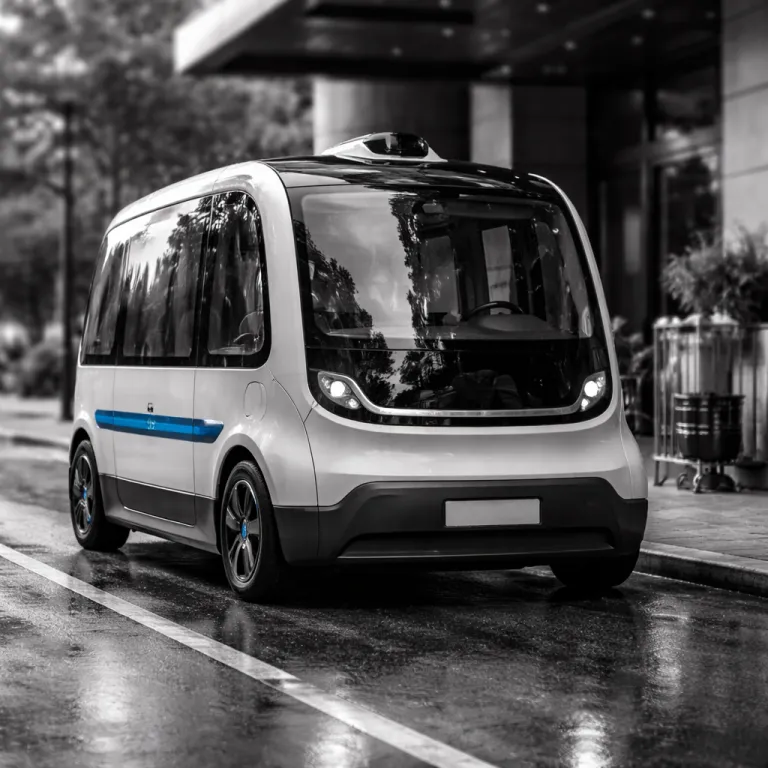
Lyft and Benteler Mobility are moving autonomous mobility from pilot hype to scheduled service, with Holon branded shuttles engineered specifically for short distance, high frequency routes between airports, rail hubs and hotels. Unlike retrofitted robotaxis, each Holon autonomous vehicle is designed from the chassis up for self-driving operations, with no steering wheel, no pedals and an automotive grade architecture that reflects Benteler Mobility manufacturing expertise. For hotel tech leaders and travel managers, this shift from experimental cars to purpose built autonomous shuttles that Lyft can actually schedule on the Lyft platform changes how airport to hotel ground transport is planned, priced and integrated.
The partnership will rely on Mobileye technology for perception and driving capabilities, while the Benteler Group brings industrial scale and fleet ownership know how from its Jacksonville production facility in Florida, announced in early 2023 with an investment of roughly 100 million USD according to company statements. Lyft has stated in its autonomous strategy updates and investor communications that it intends to integrate these autonomous vehicles into the existing Lyft network as a dedicated shuttle layer, rather than as another ride hailing option competing with traditional drivers or with Uber style private cars. Jeremy Bird, Lyft EVP, framed the strategic logic clearly in public remarks on the partnership when he said that Lyft is now “closely linked to a massive automotive supplier with deep manufacturing expertise,” which signals to airlines, rail companies and hotel groups that this is not a lab experiment but a long term fleet strategy.
For airport authorities and airlines, the ability to deploy AVs that are dimensioned like mini buses rather than small cars means curbside capacity, dwell time and passenger flow can be redesigned around predictable autonomous shuttles. These vehicles will run on a tightly controlled network of routes between terminals, rail stations, park and ride hubs and major hotel clusters, which is very different from the free roaming model of urban robotaxis. Hospitality operators evaluating Lyft’s autonomous shuttle roadmap for the coming years should focus less on the science fiction image of driverless cars and more on how a reliable fleet of Holon urban shuttles can replace or complement existing hotel vans within a few years, using lessons from early AV pilots in cities such as Las Vegas and Phoenix where fixed route services have already carried paying passengers and logged hundreds of thousands of autonomous kilometres under real world conditions.
For premium transfers and black car style services, the move also intersects with evolving ride hailing partnerships, as shown by the analysis of high end integrations in what Blacklane style integrations mean for luxury hotel transfers. While Uber and Lyft will still compete for individual riders, the autonomous shuttles program positions the Lyft platform as an infrastructure partner for airports, rail operators and hotel groups that want scheduled, shared, electric vehicles rather than one to one rides. For mobility companies and transfer platforms, the question is no longer whether autonomous vehicles will arrive, but how quickly they can integrate their own booking and CRM systems with the Lyft network APIs to orchestrate seamless multimodal itineraries.
Airport to hotel transfers: cost, reliability and guest experience
The first Holon autonomous shuttles on the Lyft network are planned for deployment in partnership with U.S. airports and cities, with Jacksonville in Florida as a symbolic anchor thanks to the approximately 100 million USD production facility announced by Benteler in 2023 as part of its Holon brand launch. For hotel groups clustered around major hubs like Los Angeles International Airport, Dallas Fort Worth or Atlanta, the upcoming autonomous shuttle launch window means procurement teams should already be mapping which terminals, rail links and hotel districts are likely to be in the initial deployment zones. Travel managers serving corporate accounts will care less about the novelty of autonomous vehicles and more about whether these shuttles can cut average transfer time, reduce missed connections and stabilise total ground transport cost per trip.
Because the Holon urban shuttle is built for autonomous driving from day one, its interior can prioritise luggage racks, standing space and wide doors rather than a traditional car layout, which matters for airport to hotel flows. A single autonomous vehicle in this configuration can move more riders per hour than a typical hotel van, and a coordinated fleet of such vehicles on the Lyft network can smooth peaks after long haul arrivals. For rail operators and intercity coach companies feeding passengers into airports, the ability to align train arrival times with high frequency autonomous shuttle services on Lyft could finally close the last kilometre gap that often undermines multimodal itineraries, especially if vehicles are dimensioned for around a dozen seated passengers plus standing room and can sustain uptime targets above 95 percent during peak operating hours.
On the cost side, hotel innovation leaders should benchmark the total cost of ownership financing and operations of their current diesel or electric vans against a service based model where Lyft will own or co manage the fleet ownership of autonomous shuttles. The Jacksonville facility and Benteler Mobility manufacturing expertise suggest that economies of scale will be built into the vehicles, but pricing for hotels will depend on how companies structure long term contracts, minimum volume commitments and data sharing. A typical framework might combine a base monthly capacity fee with a per kilometre variable charge and performance incentives tied to on time arrival rates, for example a notional 1.20 to 1.80 USD per occupied kilometre with bonuses if punctuality exceeds agreed thresholds, similar to the approach used to analyse seamless hotel transfers between cities such as Tampa and Daytona Beach.
Guest experience will be shaped by how well hotels and transfer platforms orchestrate the digital layer around future Lyft autonomous shuttle services, not just by the vehicles themselves. A frictionless journey means the airline app, the rail operator app and the hotel app all surface the same shuttle options, with clear walking directions to stops, real time occupancy data and guaranteed connection windows. For riders, the difference between a generic shuttle and a well integrated autonomous mobility service will be whether the vehicle is waiting when they exit customs, whether the luggage space is adequate and whether the onboard environment feels like an extension of the hotel lobby rather than a municipal bus.
Operational models, liability and integration for hotels
As Lyft and Benteler Mobility prepare to deploy AVs at scale, hotel CTOs and innovation managers need to choose their operational stance toward the emerging autonomous shuttle ecosystem. One option is a white label approach where the hotel brand front ends the experience while the Lyft platform handles routing, safety monitoring and fleet operations in the background. Another is a more visible partnership where the hotel aligns its loyalty programme, guest messaging and even curbside design with the Lyft network, positioning autonomous shuttles as a core amenity similar to an airport lounge or priority check in.
Liability and insurance frameworks will be central to these decisions, because autonomous vehicles shift risk from individual drivers to companies that design, manufacture and operate the vehicles. In this model, Benteler Mobility and the wider Benteler Group provide automotive grade hardware and manufacturing expertise, Mobileye provides the autonomous driving stack, and Lyft will orchestrate deployment, remote supervision and incident response across its ride hailing infrastructure. Hotels and transfer platforms will need clear contracts that specify where their responsibility begins and ends, especially around guest boarding areas, luggage handling and any handover between human driven vehicles and AVs on complex properties, and they will also need to track evolving U.S. state level AV regulations and safety reporting requirements as deployments move from pilot to commercial service.
From a financial perspective, the move toward fleet ownership by specialised AV companies and structured ownership financing models means hotels may no longer need to carry vehicles on their own balance sheets. Instead, they can contract capacity on a per seat, per kilometre or per time slot basis, similar to how they already buy airline seats or rail allocations for packages, which can free capital for other guest facing investments. When assessing proposals, hotel finance and operations teams should use the same rigour they would apply when evaluating the real cost of renting a bus for transfers, as outlined in analyses such as how to evaluate the real cost of renting a school bus for hotel transfers, but adapted to the specific risk, maintenance and uptime profile of AV fleets.
For mobility platforms and travel managers, the strategic question is how quickly they can integrate their booking engines, duty of care dashboards and reporting tools with the Lyft platform so they can deploy AVs as part of standard travel policies. Companies that move early will gain operational data on autonomous shuttle performance, from on time arrival rates to guest satisfaction scores, which will inform future autonomous procurement decisions across markets. As Lyft scales its AV fleet over time, the hotels and transport partners that have already tested different deployment models, from fixed route airport loops to on demand campus circulators, will be best positioned to shape the next wave of autonomous mobility standards rather than simply adapting to them. A simple readiness checklist for hotel teams can start with mapping curbside space and signage, auditing Wi-Fi and cellular coverage at shuttle stops, reviewing data sharing clauses with mobility partners and aligning guest communications so that autonomous transfers feel like a seamless extension of the overall journey.