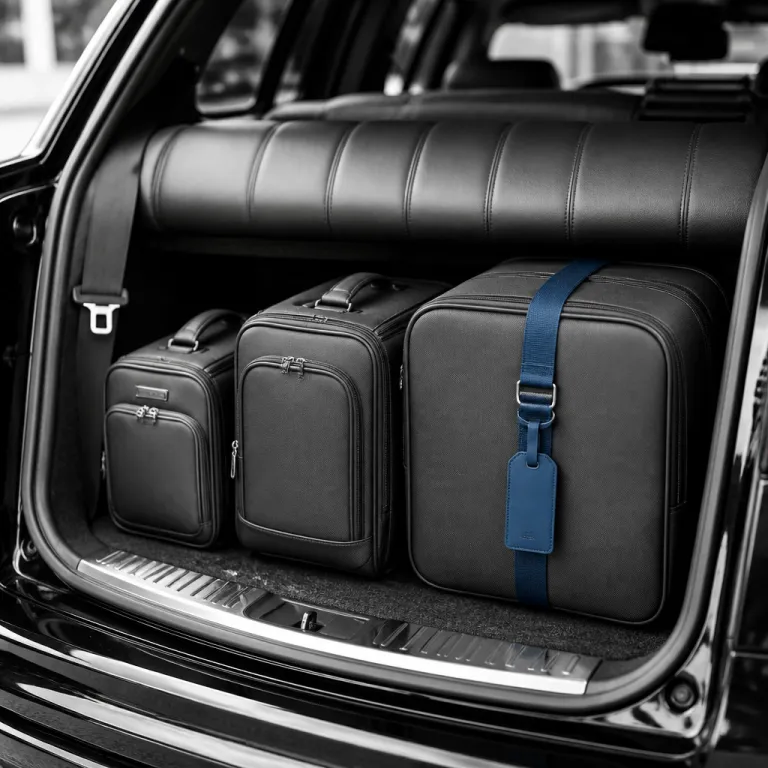
From runway to lobby: aligning limousine capacity with guest flows
For airlines, rail operators, and hôtels, the question is not only how many people can fit in a limo, but how that answer aligns with real arrival patterns. When a long haul flight lands or a high speed train arrives, the mix of solo travellers, couples, and families determines whether a standard limousine, a stretch limousine, or a larger vehicle such as sprinter vans or a party bus will best protect guest comfort and operational efficiency. Understanding how many people fit in each limousine category allows travel managers and plateformes de transfert to orchestrate transportation that feels tailored rather than improvised.
Capacity ranges published by major limousine manufacturers and large rental fleets indicate that a standard limo typically offers a seating capacity of around six passengers, while a classic stretch limo often accommodates close to ten people in realistic comfort. Super stretch limousines are commonly configured for about twenty passengers, and some highly customized limousines or party buses are certified for up to forty passengers, provided that local regulations on passenger capacity and vehicle size are respected. For airport transfers serving premium cabins or loyalty élites, this spectrum of limos and limousines enables a mix of privacy, luxury, and efficient group handling that complements existing bus shuttles or rail links.
Travel managers should map each arrival wave to a target group size and then decide which limos or stretch limos should be pre positioned at the airport curb. A medium sized group of six to eight passengers might be better served by two standard limousines rather than one crowded stretch limo, especially when luggage volumes are high and the hotel brand promise emphasises space and calm. When many people arrive together for meetings or incentives, combining a hummer limo, several suv limos, and a couple of sprinter vans can create a flexible ground transportation pool that absorbs last minute changes without sacrificing the luxury perception of the limo service.
Calibrating seating capacity across limousine types for hotel use cases
Once airlines and ferroviaires understand their typical group size profiles, they can calibrate seating capacity across limousine types with far more precision. For example, a standard limousine with six seats suits premium individual passengers and couples, while a stretch limousine with around ten seats is ideal for small corporate groups heading from the airport to a convention hôtel. Super stretch limousines and party buses, with their higher passenger capacity, become strategic assets for charter flights, cruise turnarounds, or large MICE arrivals where many people must move together without resorting to a traditional bus.
When evaluating how many people can fit in a limo for a specific route, operators must consider not only the nominal seating but also luggage, local road geometry, and hotel driveway constraints. A hummer limo or super stretch vehicle may technically fit people according to the brochure, yet tight urban streets or compact porte cochères can make a smaller stretch limo or medium sized suv limos more practical for repeated airport transfers. The key is to balance the desire for a single large vehicle against the operational resilience of deploying several limos or sprinter vans that can be rerouted if a flight is delayed or a rail service is disrupted.
Premium car service partners in destinations such as the Hamptons illustrate how a diversified fleet supports seamless hotel transfers for both leisure and corporate guests. In such markets, a black car style limo service may combine sedans, standard limousines, stretch limos, and party buses to cover everything from intimate celebrations to sizeable incentive groups arriving via private aviation. Case studies from established black car operators in the Hamptons show that when providers document exactly how many people fit in each limo category and align those figures with manufacturer specifications and local licensing rules, they can commit to tight service level agreements without overbooking or underutilising their luxury fleet.
Designing ride hailing and chauffeur partnerships around real group patterns
For hôtels and travel managers, the most effective ride hailing and chauffeur partnerships start with a granular understanding of how many people can fit in a limo for each guest segment. Corporate contracts often specify that a limousine or stretch limo must be available within a defined response time for VIPs, while leisure packages may include shared limousines or party buses for airport transfers to resort properties. By analysing booking data, partners can predict when many people will arrive together and pre assign the right mix of limousines, sprinter vans, and suv limos to match the expected group size.
Contract levers in hotel ride hailing partnerships increasingly reference minimum seating capacity and vehicle size by time band, not just by day. A morning wave of long haul arrivals might require several stretch limousines and a super stretch vehicle to ensure that all passengers fit comfortably, while late evening arrivals could be handled by a smaller pool of limos and a single party bus. When hotels and mobility acteurs negotiate around concrete metrics such as seating capacity, certified passenger capacity, and the ratio of car service units to expected arrivals, they gain far more control over guest satisfaction and wait times.
Guidance on hotel ride hailing partnership contract levers that move guest satisfaction highlights the importance of aligning fleet composition with brand positioning. A luxury urban hôtel may prioritise a higher proportion of limousine and stretch limo units, while a family resort might favour medium sized sprinter vans and party buses that can fit people with bulky luggage and strollers. In every case, the central operational question remains how many people can fit in a limo or related vehicle type without eroding the perception of luxury, privacy, and calm that guests expect from a premium ground transportation service.
From bus to limo: tiered ground transport for premium hospitality
Airlines and rail operators traditionally rely on the bus as the workhorse of group transportation, yet premium guests increasingly expect a tiered offer that includes limousines and chauffeured cars. When planners ask how many people can fit in a limo compared with a shuttle bus, they are really weighing intimacy and brand alignment against pure volume. A standard limousine that carries six passengers offers a very different experience from a thirty seat bus, even if both vehicles move the same number of people over several trips.
Designing a tiered ground transport model means defining clear thresholds where guests move from bus to limo or from limo to super stretch and party buses. For example, a group size of up to six might trigger a single limo, seven to ten passengers a stretch limousine, and eleven to twenty people a super stretch or compact party bus, while anything larger shifts to full size buses or multiple limousines and sprinter vans. This approach lets travel managers and plateformes de transfert answer the question of how many people fit in each limo type with a simple decision tree that operations teams can apply in real time.
Such models also help optimise fleet utilisation and cost per passenger without diluting the luxury perception of the limo service. When many people arrive for a conference, operators can assign a mix of suv limos, stretch limos, and party buses so that VIPs enjoy private limousines while the wider group travels together in high quality vehicles. Over time, analysing how often each vehicle size is used and how many people fit in each deployment allows mobility acteurs to refine their procurement strategy with limousine manufacturers and rental partners, ensuring that the fleet matches both demand and brand standards.
Capacity, comfort, and regulation: what hospitality leaders must verify
Hospitality leaders cannot rely solely on marketing brochures when assessing how many people can fit in a limo for hotel transfers. Stated seating capacity figures often reflect maximum legal passenger capacity, which may not align with the comfort standards expected by premium travellers carrying luggage and personal items. Before signing any limo service contract, travel managers should physically inspect representative limousines, stretch limousines, and party buses to validate how many people fit comfortably in each vehicle type.
Regulatory constraints also shape the real world answer to how many people can fit in a limo on a given route. Some jurisdictions impose strict limits on the number of passengers in limousines and super stretch vehicles, and these rules may differ from those governing a bus or sprinter vans, especially when alcohol is served during a party. As one industry FAQ from a North American limousine association notes, “Some limousines can accommodate up to 40 passengers,” and clarifies that “capacities must comply with local transportation regulations” and that “stated capacities refer to passenger seats only,” which underlines the need for precise compliance checks before deploying limos for large events.
Comfort standards should go beyond simple seating counts to include legroom, luggage space, and the ability for passengers to enter and exit the limo safely at busy airport curbs or hotel porte cochères. A hummer limo or super stretch model may technically fit people according to its seating capacity, yet the combination of narrow doors, low ceilings, and full luggage loads can make the experience feel cramped and slow. By defining internal guidelines that set a lower operational passenger capacity than the legal maximum, airlines, rail operators, and hôtels can ensure that many people arrive relaxed and ready to engage with the property rather than fatigued by an overfilled luxury vehicle.
Data driven fleet planning and sustainable airport transfers
Answering how many people can fit in a limo with precision becomes far more powerful when combined with data driven fleet planning. Airlines, ferroviaires, and hôtels can analyse historical arrival data to understand typical group size distributions, then map these patterns to the seating capacity of limousines, sprinter vans, suv limos, and party buses. This allows mobility équipes to pre stage the right mix of limo service vehicles at the airport, reducing empty runs and ensuring that passengers fit comfortably without last minute improvisation.
Sustainability objectives add another layer to the capacity discussion, especially for airport transfers where emissions and congestion are under scrutiny. Studies comparing electric shuttle fleets for airport transfers with diesel over a five year total cost of ownership show that right sizing vehicle size to real passenger capacity can cut both emissions and operating costs. When many people travel together, assigning a medium sized electric shuttle or a high occupancy super stretch limousine instead of multiple small limos can reduce trips, while still preserving a luxury feel through upgraded interiors and dedicated car service style amenities.
Over time, integrating capacity data from limousine manufacturers and rental providers into a central mobility CRM enables continuous optimisation. Travel managers can track how many people fit in each deployed limo, how often each stretch limo or hummer limo runs under capacity, and when a bus or larger party buses would have been more efficient. These insights help airlines, rail operators, and hôtels renegotiate contracts, adjust fleet composition, and refine guest communications so that every traveller understands what type of vehicle will meet them and why that choice balances comfort, sustainability, and the premium promise of chauffeured transportation.
Key figures on limousine capacity for hotel transfers
- Standard limousines typically seat around six people, which makes them ideal for premium couples or small corporate groups travelling between the airport and city hôtels, according to manufacturer specifications consulted across major rental providers.
- Classic stretch limousines usually accommodate close to ten passengers, offering a sweet spot between privacy and efficiency for airline and rail VIP transfers where several travellers share the same destination property.
- Super stretch limousines can reach about twenty seats, which allows travel managers to move medium sized groups for meetings and incentives without resorting immediately to a full size bus or multiple smaller limos.
- Some highly customized limousines and party buses can legally carry up to forty passengers, but operators must always check local regulations and consider reducing operational capacity to maintain comfort and luggage space.
- Industry guidance from limousine trade associations and large fleet operators consistently recommends confirming limousine capacity before booking and allowing spare seats for comfort, especially on airport transfers where luggage volumes and journey times are higher than for short in town rides.
FAQ about limousine capacity and hotel ground transport
How many people can realistically fit in a standard limo for hotel transfers ?
Most standard limousines are designed for about six passengers, which balances legal seating capacity with the need for luggage space and personal comfort on airport or rail station transfers. While some providers may advertise higher numbers, hospitality brands typically cap the group size lower to preserve a premium experience. For longer journeys or heavy luggage, planning for four to five people per limo is often more comfortable.
What is the largest limousine capacity used in hospitality transfers ?
In specialised markets, some limousines and party buses can legally carry up to forty passengers, though such vehicles are closer to luxury buses in form factor. For hotel and resort transfers, super stretch limousines with around twenty seats are more common, especially for MICE and incentive groups. Operators usually set an operational capacity below the legal maximum to ensure that people fit comfortably with their luggage.
Do published limousine capacities include the driver seat ?
Published limousine seating capacity figures almost always refer to passenger seats only and exclude the driver. When planning how many people can fit in a limo for a specific transfer, travel managers should confirm this point with their provider but can generally assume that the stated number is the maximum passenger count. This convention simplifies comparisons between limousines, sprinter vans, and other chauffeured vehicles.
How should hotels choose between limousines, sprinter vans, and buses ?
Hotels should base the choice on group size, luggage volume, brand positioning, and driveway constraints. Limousines and stretch limos suit small premium groups and VIPs, sprinter vans and suv limos work well for medium sized parties or families, and buses or large party buses are best for big groups where volume and cost per passenger matter most. Analysing historical arrival data helps determine the optimal mix of vehicle types.
Are there legal limits on how many people can fit in a limo ?
Yes, every jurisdiction sets legal limits on the number of passengers allowed in limousines, stretch limousines, and similar vehicles, often linked to safety and licensing rules. Providers must comply with these regulations, and hospitality clients should request written confirmation of certified passenger capacity for each vehicle category. Operating below the legal maximum is common practice in premium hospitality to ensure comfort, safety, and alignment with brand standards.
