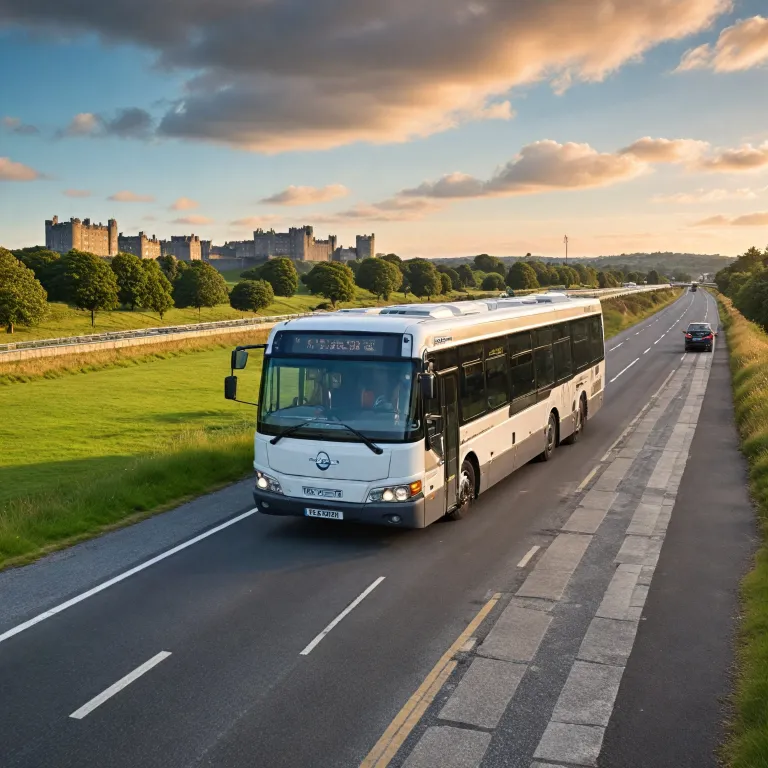
Designing the Kilkenny to Dublin corridor as a hospitality backbone
For hospitality leaders, the journey from Kilkenny to Dublin is more than a simple transfer between two Irish cities. It is a strategic mobility corridor where every bus, coach, train, and car journey shapes guest perception long before check in. When travel managers align this corridor with hotel operations, the result is a coherent guest experience that connects kilkenny ireland with dublin ireland in a measurable way.
Between Kilkenny and Dublin, Irish Rail, JJ Kavanagh & Sons, and Dublin Coach collectively provide a dense network of services that can be curated into tailored hotel mobility offers. The driving distance of roughly 124 km along the main road allows flexible routing, while the train journey time of about 90 minutes and bus journey time of around 105 minutes define clear travel times for itinerary design. For airlines, rail operators, and mobility platforms, these stable travel times support precise departure times and coordinated day trip schedules.
From a hospitality perspective, the kilkenny dublin and dublin kilkenny flows must be treated as a single integrated journey, not two separate trips. Guests may leave Kilkenny after a castle visit, connect through Dublin Heuston or Ireland Heuston, and then continue to a hotel near Dublin Airport or in the city centre. Each segment of the trip, from the first ticket purchase to arrival at the custom house district or a hotel near the river, becomes part of the same brand narrative.
Because traveling between Kilkenny and Dublin is common for both residents and tourists, hotels and travel managers can rely on consistent demand patterns. This consistency enables strict quality standards for transfers, transparent prices, and clear communication of travel time and departure times. When mobility actors coordinate these elements, the Kilkenny to Dublin corridor evolves into a hospitality backbone that supports both economy travellers and premium guests.
Aligning rail, bus, and road options with hotel operations
For travel managers, the choice between train, bus, coach, or car on the Kilkenny to Dublin route should be driven by guest profile, time of day, and hotel location. Irish Rail services between Kilkenny and Dublin Heuston offer the fastest public transport travel time, which suits business travellers with tight meeting schedules in dublin ireland. In contrast, JJ Kavanagh & Sons and Dublin Coach bus services may provide more flexible departure times and prices that appeal to leisure guests planning a relaxed day trip.
Rail operators can work with hotels to bundle train tickets with room reservations, especially for properties near Dublin Heuston or within quick access to Ireland Heuston connections. Bus and coach companies can design routes Kilkenny that stop close to major hotels or airport Dublin terminals, turning each departure into a door to door solution. When these actors coordinate, the kilkenny dublin journey becomes a curated experience rather than a fragmented trip.
Driving remains an important option, particularly for guests who want to combine a visit to Kilkenny castle with a stay in Dublin. Car based travel along the main dublin route allows bespoke itineraries, but it also requires hotels to provide clear guidance on road conditions, parking, and estimated travel times. For inspiration on how refined road based transfers can elevate the guest experience, mobility leaders can study this example of an elegant regional drive designed around hotel transfers.
Airlines and airport based hotels near Dublin Airport should integrate Kilkenny to Dublin options directly into pre arrival communication. By presenting train, bus, and coach alternatives with clear travel time, prices, and departure times, they help guests choose the most suitable mode for their economy, schedule, and comfort expectations. This alignment between rail, road, and hotel operations transforms a simple kilkenny to dublin transfer into a carefully orchestrated hospitality service.
From station and terminal to hotel lobby: mastering the last kilometre
The most fragile part of the Kilkenny to Dublin journey is often the last kilometre between station, terminal, and hotel lobby. Guests arriving at Dublin Heuston, Ireland Heuston, or Dublin Airport expect a seamless transition from public transport to their final accommodation. When this last segment is poorly managed, even a perfectly timed train or bus trip from kilkenny ireland can feel disappointing.
To avoid this, hotels and mobility platforms should map every typical arrival pattern on the kilkenny dublin axis. For example, a guest may leave Kilkenny in the morning by train, arrive at Dublin Heuston around midday, and then require a short transfer to a city centre hotel near the custom house or house quay area. Another guest may choose a coach from Kilkenny to Dublin Airport, then need a shuttle to an airport hotel before an early departure the next day.
Coordinated shuttles, pre booked taxis, and shared mobility services can provide the missing link between major hubs and hotels. Travel managers should negotiate strict quality standards for these last kilometre services, including clear prices, reliable travel times, and professional drivers who understand both irish road conditions and international guest expectations. For a benchmark on how premium ground operators can support hotel centric transfers, consider this case study on elevated limousine style hotel transfers.
By treating the last kilometre as a core part of the Kilkenny to Dublin journey, hospitality actors can turn potential friction into a signature service. This approach is particularly valuable for guests on a day trip who have limited time and expect every transfer, from bus or coach to hotel lobby, to run with minimal delay. When executed well, the final metres of the journey reinforce the overall brand promise of both mobility providers and hotels.
Integrating cultural touchpoints into the Kilkenny to Dublin guest journey
The Kilkenny to Dublin route is not only a functional corridor ; it is also a cultural narrative that can enrich the guest experience. Kilkenny castle, the medieval streets of kilkenny ireland, and the historic custom house and house quay districts in dublin ireland offer natural storytelling anchors. When airlines, rail operators, and hotels integrate these touchpoints into their communication, the journey becomes part of the destination.
Travel managers can design themed day trip packages that combine transport, guided visits, and hotel services. A guest might leave Kilkenny in the late morning, travel by bus or coach along the main dublin route, and arrive in time for an afternoon walking tour around the custom house area. Another itinerary could focus on guests based in Dublin who take a morning train to Kilkenny, visit the castle, and return in the evening with a pre arranged transfer from Dublin Heuston to their hotel.
These curated experiences require precise control of travel time, departure times, and ticket management. Rail and bus partners such as Irish Rail, JJ Kavanagh & Sons, and Dublin Coach provide the backbone, while hotels and mobility platforms orchestrate the details. By aligning prices, economy options, and premium add ons, they can offer both accessible and high end versions of the same kilkenny dublin journey.
For hospitality brands, integrating cultural elements into the Kilkenny to Dublin corridor also strengthens their irish identity. Guests perceive that every part of the trip, from the first train tickets purchase to the final transfer near house quay, reflects a coherent sense of place. This approach turns a standard transfer into a memorable chapter of the overall travel story.
Data driven coordination of schedules, capacity, and guest flows
Managing the Kilkenny to Dublin corridor as a hospitality asset requires precise data on schedules, capacity, and guest flows. Airlines, rail operators, and bus companies already track departure times, travel times, and load factors for each train, bus, and coach. When this operational data is shared, in a controlled way, with hotels and travel managers, it becomes a powerful tool for planning guest movements between kilkenny ireland and dublin ireland.
For example, knowing that train services operate multiple times each day and that bus services run frequently throughout the day allows hotels to propose specific kilkenny dublin options in pre stay emails. They can highlight the fastest travel time by rail, the most economical prices by bus, or the most comfortable coach service for a longer trip. In parallel, mobility platforms can adjust routes Kilkenny and the main dublin route to reflect peak time day patterns linked to major events or flight waves at Dublin Airport.
Strict quality frameworks should govern how this data is used, ensuring that guest privacy is respected while operational efficiency improves. Travel managers can monitor average travel times between Kilkenny and Dublin, on both road and rail, and adjust recommended departure times to protect connections at airport Dublin or Dublin Heuston. Over time, this data driven approach supports better inventory planning for train tickets, bus seats, and hotel rooms.
To further refine coordination, hospitality actors can benchmark their corridor strategy against other regions where shuttle and transfer programs are central to guest satisfaction. One useful reference is this analysis of shuttle deals that elevate seamless hotel transfers, which illustrates how structured partnerships can enhance both economy and premium offerings. Applied to the Kilkenny to Dublin context, similar agreements can stabilise prices, guarantee capacity, and secure consistent service quality across all modes.
Strategic partnerships and communication for Kilkenny to Dublin hotel transfers
Ultimately, the success of the Kilkenny to Dublin corridor in hospitality terms depends on structured partnerships and clear communication. Airlines, rail operators like Irish Rail, bus companies such as JJ Kavanagh & Sons and Dublin Coach, and hotel groups must align their expectations on strict quality, pricing, and guest handling. This alignment transforms individual services into a coherent network that supports both short day trip itineraries and longer stays.
Joint marketing initiatives can highlight the ease of traveling between kilkenny ireland and dublin ireland, emphasising reliable travel times, frequent departure times, and transparent ticket options. Hotels can feature curated kilkenny dublin and dublin kilkenny routes on their websites, including guidance on how to reach Dublin Heuston, Ireland Heuston, or Dublin Airport from specific properties. In return, mobility partners can promote selected hotels as preferred accommodation near key hubs such as the custom house or house quay districts.
Clear guest communication is essential at every stage of the journey, from the moment travellers leave Kilkenny to their arrival at a Dublin hotel. Pre stay emails, mobile apps, and concierge teams should provide up to date information on train tickets, bus and coach schedules, road conditions, and estimated travel times. This transparency reduces anxiety, especially for international guests unfamiliar with irish transport systems or local geography.
As mobility and hospitality actors refine their collaboration on the Kilkenny to Dublin axis, they create a model that can be replicated on other regional corridors. The combination of reliable infrastructure, data driven planning, and guest centric design turns a simple intercity trip into a strategic asset. In this way, the kilkenny to dublin journey becomes a reference point for how modern travel programs can integrate mobility and hotel experiences into a single, seamless narrative.
Key quantitative insights for the Kilkenny to Dublin corridor
- Approximate driving distance between Kilkenny and Dublin : 124 km by road, enabling flexible routing for private transfers and car based itineraries.
- Typical train journey time on the Kilkenny to Dublin axis : around 90 minutes, making rail the fastest public transport option for most travellers.
- Average bus journey time between Kilkenny and Dublin : about 105 minutes, balancing cost efficiency with acceptable travel time for leisure guests.
- Public transport services operate multiple times each day, with both train and bus departures spread across the time of day to support varied guest schedules.
- Driving remains available at any time, offering maximum flexibility for bespoke trips that combine Kilkenny castle, Dublin city, and airport connections.
Frequently asked questions about Kilkenny to Dublin hotel transfers
What is the fastest way to travel from Kilkenny to Dublin for hotel guests ?
The train operated by Irish Rail is typically the fastest way to travel from Kilkenny to Dublin for most hotel guests. With an average travel time of about 90 minutes, it offers a reliable connection to Dublin Heuston, from where taxis, shuttles, or trams can complete the journey to city hotels. This option is particularly suitable for business travellers or those with tight airport connections.
Are there direct bus services between Kilkenny and Dublin suitable for hotel transfers ?
Yes, both JJ Kavanagh & Sons and Dublin Coach operate direct bus services between Kilkenny and Dublin that work well for hotel transfers. These buses and coaches serve central locations and, in some cases, airport Dublin stops, which simplifies onward travel to nearby hotels. Their schedules across the day provide flexibility for leisure travellers planning a day trip or multi night stay.
Should travel managers book train tickets in advance for guests ?
While it is not always mandatory, booking train tickets in advance is advisable for guests traveling between Kilkenny and Dublin. Advance purchase helps secure seats during peak time day periods, such as weekends or major events, and can sometimes provide better prices. For travel managers, pre booked tickets also reduce uncertainty and support smoother coordination with hotel check in times.
How can hotels integrate Kilkenny to Dublin transport options into their services ?
Hotels can integrate Kilkenny to Dublin transport options by curating clear guidance on train, bus, coach, and car routes in pre stay communication. They may also partner with operators like Irish Rail, JJ Kavanagh & Sons, and Dublin Coach to create bundled offers that include tickets, transfers, and accommodation. Concierge teams should be trained to advise on travel times, departure times, and the best mode for each guest profile.
What role do airports and airlines play in the Kilkenny to Dublin corridor ?
Airports and airlines influence the Kilkenny to Dublin corridor by shaping demand patterns and connection requirements. Dublin Airport, in particular, acts as a gateway where many international guests begin or end their journey, making reliable links from Kilkenny essential. By coordinating schedules and communication with rail, bus, and hotel partners, airlines can help ensure that each trip along this corridor feels seamless and well timed.
