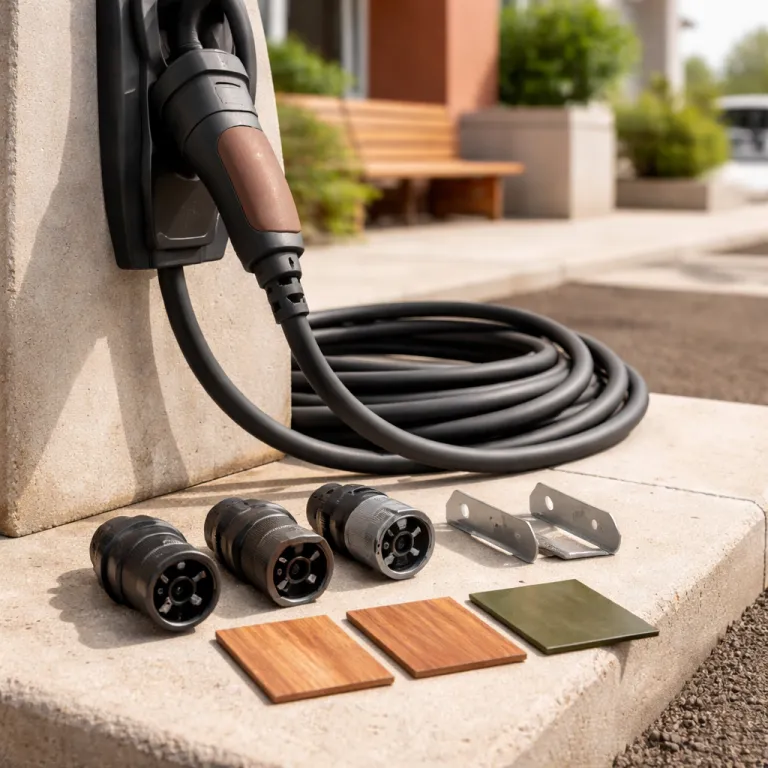
Why mid scale EV charging hotels are the next competitive frontier
Mid scale EV charging hotels are moving from experiment to expectation. For a 120 to 250 room hotel, the decision to add charging is no longer a sustainability gesture but a mobility infrastructure play that shapes how electric vehicles arrive, park and spend. When airlines, rail operators and mobility platforms route guests toward a specific hotel, the presence of reliable charging stations often decides which property wins the booking and which inn or suites quietly lose share.
Airport adjacent hotels and downtown properties now see that every electric vehicle arriving from a northern hub city, a regional park or a coastal beach corridor needs predictable access to chargers, not vague promises at a nearby parking garage. This is why brands from Hilton to Embassy Suites and Hampton Inn are reframing their parking strategy as an energy and data strategy, using hotel charging networks to understand dwell time, ancillary spend and the real value of suite upgrades tied to charging credits. For travel managers and airline partners, EV ready hotels offer charging certainty that can be written into contracts, negotiated into crew layover agreements and bundled into premium door to door transfer products.
Mid scale properties in markets as different as Colorado ski towns, Niagara Falls gateways and suburban Los Angeles corridors are discovering that charging enabled hotels can anchor local smart mobility ecosystems, especially when paired with airport shuttles and rail station transfers. A lake resort hotel or a grand island conference property that can offer charging on site becomes a natural hub for ride hail fleets, rental electric vehicles and chauffeur services that need overnight charge windows. The opportunity is not just to install hotel chargers but to design a transport experience where the guest’s electric vehicle, the hotel shuttle and even the staff fleet share a coherent, revenue positive charging plan that can be tracked and refined over time.
Level 2 versus DC fast charging at the mid scale footprint
For most mid scale EV charging hotels, the core decision is how to balance Level 2 chargers with a smaller number of DC fast charging stations. Level 2 charging, typically at 7 to 22 kilowatts, aligns neatly with overnight stays in standard rooms and suites, while DC fast charging at 50 kilowatts or more suits short stay guests, airline crews and mobility partners who only park for a few hours. A 150 room hotel with a mix of standard rooms, larger suites and a modest annex will usually find that 80 to 90 percent of its charging demand can be met with Level 2 units placed strategically across the parking lot and structured park areas.
DC fast charging becomes compelling when the hotel serves high turnover segments such as airport transfers in San Diego or Los Angeles, rail connected city center hotels in downtown San Francisco or high traffic national park gateways like Bryce Canyon and Niagara Falls. In these locations, a hotel that can offer charging at DC speeds can sell premium time slots to ride hail fleets, rental car operators and even airlines running electric shuttle buses between the terminal and a nearby Hampton Inn or Embassy Suites. The tradeoff is clear: DC fast chargers cost more to install, can trigger higher utility demand charges and require more careful load management than a bank of slower chargers tucked along the edge of the parking area.
For many properties, a hybrid model works best, with four to eight Level 2 chargers serving overnight guests and one or two DC fast charging stations reserved for commercial partners and high value loyalty members. A grand business hotel in a North American city might dedicate DC capacity to airline crew vans and electric vehicles used by transfer platforms, while a lake resort inn or beach island property focuses on slower, guest centric charging that quietly runs while visitors dine or sleep. The key is to map real arrival patterns, from late night flights into San Diego to early morning rail arrivals, and then size the mix of Level 2 and DC fast charging to match those rhythms rather than chasing abstract technology trends or vendor driven hardware quotas.
Five vendor categories and how they price EV charging for hotels
Once a mid scale hotel commits to EV charging, the vendor landscape quickly becomes crowded and confusing. Hardware resellers, engineering procurement and construction (EPC) firms, turnkey charge point operators, utilities and software centric networks all pitch different versions of the same chargers, each promising free installation, suite upgrades or revenue sharing that sounds too good to ignore. For a 200 room hotel juggling airlines, rail partners and mobility platforms, understanding how each category prices is the only way to avoid locking into a decade long contract that quietly erodes margins.
Hardware resellers typically sell chargers and basic charging station management software as a capital expenditure, leaving the hotel to handle installation, utility coordination and ongoing operations, which can suit a Hilton or Embassy Suites franchise with strong internal facilities teams. EPC firms bundle design, trenching, electrical work and commissioning into a single project fee, which is attractive for complex downtown or park adjacent sites where parking layouts are tight and power is constrained. Turnkey operators, often backed by energy investors, offer charging hotels a revenue share model where they finance and own the chargers, set the charge pricing and sometimes even brand the stations, which can work for a Hampton Inn or suites style property that wants minimal operational burden but is willing to cede some control.
Utilities and charging networks add two more layers: some utilities now offer make ready programs that cover part of the grid side costs, while networks sell access to roaming users, loyalty integrations and advanced pricing engines. A grand island conference hotel or a Colorado ski inn might work directly with the utility to add charging capacity at the transformer, then layer a network partner on top to handle payments, loyalty links and reporting to the revenue team. The smartest mid scale EV charging hotels now run competitive RFPs that force each vendor type to spell out hardware costs, software fees, revenue share terms and any conditions tied to free equipment, rather than accepting a single bundled proposal that hides long term obligations and masks the true cost of capital.
Demand charges, software choices and the hidden economics of hotel charging
Utility demand charges are the line item that quietly breaks many EV charging business cases for hotels. These charges, based on the highest kilowatt draw in a billing period, can turn a profitable set of chargers into a loss making amenity if several electric vehicles fast charge simultaneously during a peak window. For mid scale EV charging hotels that operate on tight margins, especially in high cost markets like downtown San Francisco, Los Angeles or central city districts near major rail hubs, ignoring demand charges is not an option.
Smart software is the main defense, because a capable charging management platform can stagger sessions, cap power per charger and prioritize overnight Level 2 charging over daytime DC peaks. When a hotel can offer charging that dynamically slows a non urgent charge in order to keep the overall load below a demand threshold, the savings over a year can rival the revenue from several suites or a small annex. This is where software decisions intersect with loyalty integration; a Hilton or Embassy Suites property might give elite members priority charging speeds or free kilowatt hour credits, while a Hampton Inn or independent suites style hotel uses app based vouchers that bundle parking, charging and late checkout into a single offer.
The same platform should feed clean data to the revenue management and mobility teams, showing how guests with electric vehicles book differently from combustion drivers and how often airlines, rail operators or transfer platforms route passengers to the property because hotels offer reliable chargers. A lake resort hotel near a national park, a beach island inn or a grand city hotel in Colorado can then test whether to add charging capacity, adjust pricing or reserve certain chargers for commercial partners. In practice, the most successful charging hotels treat the software stack as seriously as their property management system, because the ability to add charging rules, segment users and report performance is what turns a parking lot into a measurable mobility asset and a defensible source of incremental revenue.
Installation timelines, permitting realities and state by state friction
On paper, installing EV chargers at a mid scale hotel looks like a three month project. In reality, the path from vendor selection to a live charging station network often stretches across two or three peak seasons, especially when permitting, utility upgrades and parking redesign collide. For airport adjacent hotels working with airlines and mobility platforms, or for rail linked city properties that promise charging to corporate travel managers, these delays can damage credibility and strain contracts.
Permitting varies sharply by state and even by city; a downtown San Diego hotel might secure approvals in weeks, while a similar property in a northern Colorado resort town or a Niagara Falls gateway city waits months for utility studies and fire marshal sign off. Beach and lake markets add their own complexity, because a hotel near a protected park or a fragile island ecosystem may face stricter trenching rules and stormwater requirements that reshape the entire parking layout. In some jurisdictions, adding DC fast chargers triggers a full review of the site’s electrical capacity, forcing the hotel to coordinate transformer upgrades that can take longer than building a new inn or expanding existing suites.
To manage expectations, leading EV charging hotels now phase projects, starting with a small bank of Level 2 chargers in the most visible section of the parking area while planning for future expansion. A Hampton Inn near Bryce Canyon or a grand island conference hotel might first energize four chargers for guest use, then add charging capacity for fleet partners once utility upgrades are complete. For properties that rely on airline crew contracts or rail operator agreements, it is essential to align installation milestones with schedule changes, so that when a new late night San Diego or Los Angeles flight launches, the promised chargers are already live and tested rather than stuck in permitting limbo.
A 12 question RFP template for mid scale hotel EV charging
Tech leads and facilities directors at mid scale EV charging hotels need an RFP that cuts through marketing language and surfaces real operational risk. A focused set of questions helps compare offers from hardware resellers, EPCs, turnkey operators, utilities and networks on equal terms, whether the property is a Hilton near an airport, a Hampton Inn by a rail station or an independent suites style hotel at the edge of a national park. The goal is to understand not just how many chargers a vendor will install, but how they will perform when several electric vehicles arrive from the same delayed flight or crowded train.
A practical RFP for a 120 to 250 room hotel should ask at least twelve core questions that probe hardware, software, economics and service. The checklist below summarizes the essentials:
| 1. | What mix of Level 2 and DC fast charging do you recommend for our room count, parking layout and guest profile, and how will you phase installation to minimize disruption to the hotel and park areas? |
| 2. | How do you model utility demand charges in your pro forma, and what specific load management features or guarantees do you provide to keep those charges under control during peak periods? |
| 3. | How does your software integrate with our property management system, loyalty program and any airline, rail or mobility partner platforms that route guests to our hotel because we offer charging? |
| 4. | Who owns the chargers, who sets the charge pricing and how can we adjust tariffs for different user groups such as hotel guests, staff, airlines, rail operators and ride hail fleets? |
| 5. | What are your standard service level agreements for uptime, field repairs and remote diagnostics, and how do you handle failures during high stakes events like a grand conference, a lake festival or a beach holiday weekend? |
| 6. | What are the total costs over ten years, including hardware, software, networking, payment processing and any revenue share, and how do those costs change if we add charging capacity later for commercial partners or expand into a new downtown or island annex? |
| 7. | What data and reporting will you provide to our revenue and mobility teams, including usage by room type, booking channel and partner source, so we can see how charging hotels perform versus non equipped competitors? |
| 8. | How do you support wayfinding and guest communication, from signage in the parking lot to app notifications for guests arriving from San Francisco, Los Angeles, San Diego or other hubs? |
| 9. | What experience do you have with similar mid scale hotels in markets like Colorado, Niagara Falls or Bryce Canyon, and can you share references that include airlines, rail operators or transfer platforms? |
| 10. | How will you coordinate with our utility on make ready work and potential transformer upgrades, and what timelines should we realistically expect from contract signature to first live charge? |
| 11. | How do you handle payment options, including free or discounted charging for loyalty tiers, packages that bundle parking and charging, and corporate accounts for airlines or mobility fleets? |
| 12. | What is your roadmap for future features, such as vehicle to grid services or integration with autonomous shuttles, and how will those upgrades reach our hotel without major hardware replacement? |
Designing EV charging as part of the end to end guest journey
For mobility and hospitality professionals, the real power of EV charging hotels lies in how charging shapes the entire journey from airport or station to room. A guest landing in San Diego, connecting via rail to a northern city and then driving an electric vehicle to a lake resort inn expects a seamless sequence of transfers, not a patchwork of apps and uncertain chargers. When airlines, rail operators and transfer platforms coordinate with hotels that offer charging, they can sell integrated itineraries where the car is fully charged by morning, the shuttle is waiting and the guest never worries about range.
Some of the most advanced examples now appear in corridor destinations where multiple modes intersect, such as the southwest Florida routes analysed in the Mobility for Travel guide on designing seamless guest centric transfers. In similar fashion, a grand island convention hotel, a Colorado ski inn or a beach hotel near Los Angeles can work with airlines and mobility platforms to pre assign chargers for late arriving flights, text guests when their electric vehicle starts to charge and bundle parking, charging and breakfast into a single rate. City center hotels in downtown San Francisco or rail linked districts near Niagara Falls can go further, using data from hotel chargers to time shuttle departures, adjust staffing and even coordinate with local park and ride facilities.
For travel managers, the ability to book specific charging hotels with guaranteed chargers is becoming as important as negotiating room blocks or suite upgrades. Corporate policies that favor electric vehicles only work when the hotel, the inn or the embassy style suites property at the end of the journey can reliably add charging to the stay without friction. As more mid scale hotel charging networks mature, the winners will be those that treat EV infrastructure not as a static amenity in the parking lot, but as a dynamic layer in the mobility ecosystem that connects airlines, rail, ride hail, shuttles and the quiet satisfaction of waking up to a fully charged car.
Key figures shaping EV charging hotels and smart mobility
- Industry estimates indicate that the global electric vehicle fleet has already reached tens of millions of units, creating sustained demand for reliable hotel charging infrastructure across airport, rail and resort corridors.
- Data from the U.S. Department of Energy’s Alternative Fuels Data Center show that a majority of public and semi public charging stations in the United States are Level 2 units, aligning closely with overnight hotel stays and reinforcing the case for Level 2 first strategies at mid scale properties.
- Regulatory filings from several large U.S. utilities suggest that demand charges can represent a substantial share of a DC fast charging site’s monthly electricity bill, underscoring the importance of load management software for charging hotels.
- Research summaries from major hotel groups suggest that properties offering EV charging report higher share of corporate contracts in sectors with strong sustainability mandates, including airlines, rail operators and global travel management companies.
- Urban mobility studies in cities like San Francisco and Los Angeles show that guests with access to on site hotel chargers are significantly more likely to choose electric vehicles for airport transfers, supporting broader decarbonisation goals in hospitality and transport.
FAQ about EV charging hotels for mobility and hospitality professionals
How many EV chargers should a 150 room mid scale hotel install
A practical starting point for a 150 room hotel is six to ten Level 2 chargers, with the higher end of that range in markets where electric vehicle adoption is strong. Properties with heavy airline crew traffic, rail connections or ride hail partnerships may add one or two DC fast chargers for high turnover use. The exact number should be based on current demand, projected growth and available electrical capacity, with clear plans to expand as utilisation rises.
Should mid scale hotels prioritise Level 2 or DC fast charging
Most mid scale EV charging hotels should prioritise Level 2 chargers because they match overnight dwell times, cost less to install and create fewer demand charge risks. DC fast charging is valuable in airport, rail or downtown locations with short stay guests and commercial fleets that need rapid turnaround. A hybrid model, with a majority of Level 2 units and a small number of DC fast chargers, usually offers the best balance of guest satisfaction and financial performance.
How can hotels manage utility demand charges from EV charging
Hotels can manage demand charges by using smart charging software that limits peak load, staggers sessions and caps power per charger during high tariff periods. Working with the local utility to understand tariff structures and potential make ready incentives is equally important. Some properties also reserve DC fast charging for off peak hours or contracted partners, while steering most guest charging to slower overnight sessions.
What should be included in an EV charging RFP for hotels
An effective RFP should cover hardware specifications, software capabilities, ownership and pricing models, installation timelines, utility coordination and long term service commitments. Hotels should ask vendors to model total cost of ownership over at least ten years, including demand charges and software fees, and to explain how their solution integrates with property management and loyalty systems. References from similar mid scale hotels, especially those serving airlines, rail operators or mobility fleets, are essential for validating claims.
How do EV charging hotels work with airlines, rail and mobility partners
EV charging hotels can sign preferred agreements with airlines, rail operators and mobility platforms that guarantee charger access for crews and passengers in exchange for contracted room nights or shuttle volumes. Integration between hotel charging software and partner booking systems allows pre allocation of chargers, real time status updates and bundled pricing for parking and charging. This coordination turns the hotel into a reliable node in the wider mobility network, improving the end to end experience for travellers using electric vehicles.
