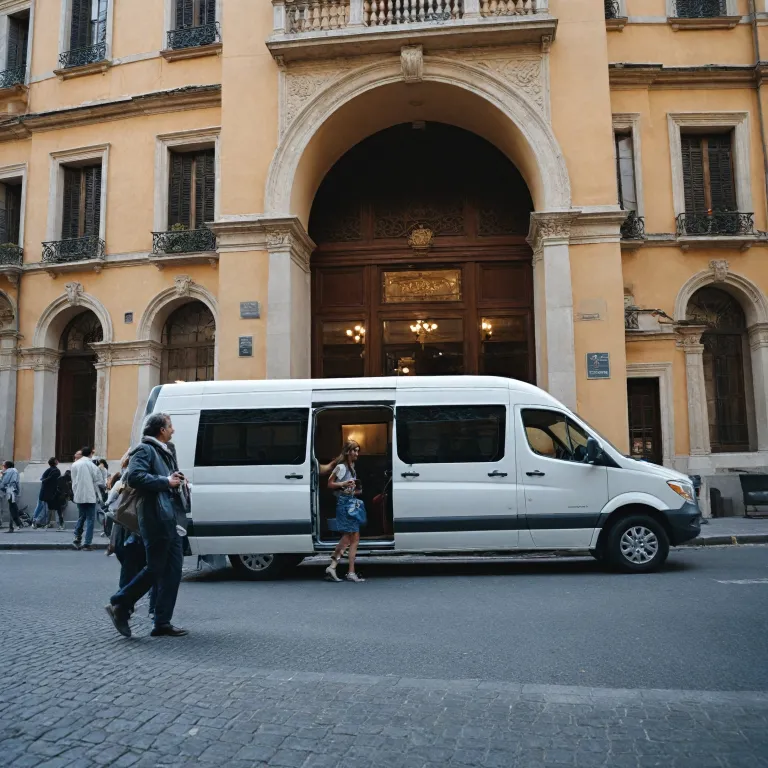
Group transfers reimagined with the 12 passenger Sprinter van
For airlines, rail operators, and hotels, the 12 passenger Sprinter van has become a strategic asset in the door to door journey. This passenger van bridges the gap between airport or station and hotel with a seating capacity that suits family groups, crews, and small meetings, while still offering meaningful cargo volume for luggage. With a typical capacity of 12 passengers and around 70 cubic feet of cargo space, it aligns naturally with the needs of premium transfer platforms and travel managers.
Most operators select a Mercedes Benz Sprinter van with a cylinder diesel engine, because this fuel type balances torque, durability, and fuel efficiency for intensive shuttle duty. The diesel standard configuration often combines a high roof with flexible seating, enabling easy movement inside the sprinter passenger cabin and faster boarding for time pressed guests. When paired with automatic transmission or transmission automatic systems, drivers can focus more on safety, mirrors, and traffic conditions, and less on constant gear changes in dense urban environments.
From a technical perspective, the mercedes benz powertrain offers high output while maintaining a competitive payload capacity in capacity lbs, which is critical when every suitcase and passenger adds to the total payload. Operators must monitor payload and output payload carefully, because exceeding the rated capacity in lbs can compromise tire wear, braking distances, and overall safety. A well specified benz sprinter with diesel high efficiency, standard output tuning, and robust rear suspension can handle repeated hotel shuttle cycles while preserving passenger comfort and protecting ROI for mobility partners.
Designing seamless hotel mobility with high roof Sprinter passenger vans
Designing a seamless mobility chain from gate or platform to hotel lobby requires more than simply booking a van. Travel managers and transfer platforms increasingly specify a high roof 12 passenger Sprinter van to ensure guests can stand or move more freely, which is especially valued by airline crews and rail staff after long shifts. This high roof configuration, combined with ergonomic seating and generous legroom, elevates the perceived quality of the hotel transfer to the level of a premium onboard experience.
In practice, the seating capacity must be matched with realistic luggage assumptions, because a full passenger load can quickly consume the available cargo volume. Operators therefore evaluate payload capacity and capacity lbs alongside seating, choosing a mercedes benz sprinter passenger layout that balances rear cargo space with comfortable seating rows. When the output payload limit is respected, the cylinder diesel engine and automatic transmission can deliver consistent high output performance without overstressing the drivetrain.
Safety and comfort details also matter, from wide mirrors and a well calibrated rear camera to appropriate tire selection for urban and highway use. Many hotel partners request diesel high efficiency variants with standard output tuning, because this type diesel configuration offers predictable fuel costs and reduced emissions over long duty cycles. By standardizing on a mercedes Sprinter van platform with a robust cylinder diesel engine, mobility actors can streamline maintenance, training, and spare parts, while ensuring every passenger van in the fleet delivers a consistently great guest experience.
Operational excellence: capacity, payload, and safety in hotel transfers
For mobility operators, the 12 passenger Sprinter van is only as effective as the operational discipline behind it. Every transfer must respect the official capacity in lbs and the rated payload capacity, especially when serving long haul airline passengers with heavy checked baggage. Overloading a benz sprinter, even slightly, can accelerate tire wear, reduce braking performance, and increase stress on the rear suspension and cylinder diesel engine.
Professional travel managers therefore integrate capacity checks into their booking flows, ensuring that seating capacity and cargo limits are clearly communicated to airline, rail, and hotel partners. When a sprinter passenger service is expected to carry sports teams or event groups, planners may schedule an additional passenger van or a dedicated cargo vehicle to keep the output payload within safe margins. This approach protects the mercedes benz powertrain, maintains diesel standard efficiency, and reduces the risk of unscheduled downtime that can disrupt hotel arrivals.
Driver training is equally important, particularly for those transitioning from smaller vehicles to a high roof Sprinter van with automatic transmission. Instructors emphasize the use of mirrors, rear visibility aids, and careful cornering, because the longer wheelbase and higher center of gravity demand more anticipation. When combined with regular inspections of each tire, verification of fuel type as diesel high quality, and adherence to standard output maintenance intervals, these practices help airlines, rail operators, and hotels deliver safe, reliable, and great guest transfers every day.
Guest experience: from onboard comfort to digital coordination
Guest expectations for hotel transfers have risen sharply, and the 12 passenger Sprinter van is now judged by the same standards as the aircraft or train that precedes it. Inside a modern sprinter passenger configuration, travelers expect clean, comfortable seating, effective climate control, and enough cargo space so that bags are not crowding the aisle. Many mercedes benz operators also specify entertainment systems, USB power outlets, and Wi Fi to extend the onboard experience seamlessly from cabin to curb.
According to verified product information, “The 12-passenger Sprinter van offers up to 24 miles per gallon (MPG) on the highway.” This diesel high efficiency, combined with a cylinder diesel engine and automatic transmission, allows operators to run frequent hotel shuttles without prohibitive fuel costs. When the vehicle’s seating capacity and payload capacity are respected, the standard output powertrain delivers smooth acceleration even with a full passenger load and maximum capacity in lbs of luggage.
Digital coordination is the final layer that transforms a simple passenger van into a premium mobility service. Airlines, rail companies, and hotels increasingly integrate transfer data into their apps, allowing guests to track their mercedes Sprinter van, confirm fuel type, and verify that a high roof configuration has been allocated when needed. By aligning schedules, sharing real time output payload and capacity data, and coordinating rear loading procedures, mobility partners can turn the humble benz sprinter into a visible symbol of operational excellence and guest centric design.
Strategic partnerships and fleet choices for hospitality mobility
Behind every efficient hotel transfer program stands a network of specialized partners and carefully chosen vehicles. Manufacturers such as Mercedes Benz provide the core sprinter van platform, while rental specialists like Bandago Van Rental and Sprinter Rentals USA supply flexible access to 12 passenger Sprinter van fleets for airlines, rail operators, and hotels. These partnerships allow travel managers to scale seating capacity and payload capacity quickly for seasonal peaks, special events, or irregular operations.
When selecting a passenger van, decision makers weigh factors such as cylinder diesel configuration, fuel type, and standard output versus high output tuning. A diesel standard engine with automatic transmission often proves ideal for mixed urban and highway duty, while some operators prefer diesel high variants for routes with steep gradients or heavy capacity in lbs. In both cases, the benz sprinter chassis, high roof options, and robust rear suspension support reliable cargo handling and comfortable sprinter passenger operations.
Strategic fleet planning also considers lifecycle costs, including tire replacement, routine servicing of the cylinder diesel engine, and the impact of output payload on long term durability. By standardizing on a mercedes benz sprinter van family, operators can streamline driver training, spare parts inventory, and telematics integration across multiple hotels and hubs. For deeper insights into how smart mobility concepts are being applied to hospitality transfers, mobility leaders can review best practices such as those shared in this analysis of smart mobility to conference hotels for seamless guest journeys, and adapt similar frameworks to their own 12 passenger Sprinter van programs.
Future ready hotel transfers with data, sustainability, and guest centric design
As sustainability and data driven decision making reshape hospitality, the 12 passenger Sprinter van sits at the crossroads of environmental responsibility and guest experience. The cylinder diesel engine remains prevalent today, but operators are already evaluating alternative fuel type options and more efficient diesel high calibrations to reduce emissions without sacrificing seating capacity or payload capacity. Until large scale electrification becomes mainstream for this segment, a well maintained diesel standard mercedes benz sprinter van with automatic transmission can still deliver meaningful efficiency gains over older fleets.
Data from telematics systems helps airlines, rail operators, and hotels monitor capacity in lbs, output payload trends, and real world fuel consumption across every passenger van. By correlating this information with booking patterns, travel managers can right size the number of sprinter passenger vehicles on each route, adjust high roof deployments, and optimize tire and maintenance schedules. Over time, this evidence based approach protects the benz sprinter powertrain, preserves standard output performance, and supports more accurate budgeting for diesel and servicing.
Guest centric design will remain the decisive factor, however, because travelers judge the entire journey, not just the flight or train. A clean, quiet mercedes Sprinter van with comfortable seating, ample cargo space, and attentive drivers can transform the transfer into a memorable part of the stay. By aligning technical choices such as cylinder diesel specifications, rear loading ergonomics, and mirror configurations with human needs, hospitality and mobility actors can ensure that every 12 passenger Sprinter van journey feels like an integral, high quality chapter in the overall travel story.
Key quantitative insights on 12 passenger Sprinter van performance
- The typical seating capacity of a 12 passenger Sprinter van is 12 passengers, which aligns well with small groups, crews, and family clusters.
- Highway fuel efficiency can reach up to 24 miles per gallon, supporting frequent hotel shuttle operations with controlled diesel consumption.
- Approximate cargo volume of 70 cubic feet allows operators to balance luggage handling with comfortable seating layouts for hotel transfers.
Frequently asked questions about 12 passenger Sprinter vans in hotel mobility
What is the fuel efficiency of a 12 passenger Sprinter van for hotel transfers ?
For most hotel shuttle and transfer operations, a 12 passenger Sprinter van equipped with a cylinder diesel engine achieves up to 24 miles per gallon on the highway. Real world consumption will vary with payload capacity, driving style, and route profile, especially in dense urban traffic. Travel managers should monitor telematics data to refine fuel forecasts and compare diesel standard and diesel high configurations.
How much luggage can a 12 passenger Sprinter van carry for guests ?
With an approximate cargo volume of 70 cubic feet, a typical mercedes benz sprinter passenger configuration can accommodate 12 passengers and their luggage when capacity in lbs is respected. For groups with oversized equipment, operators may reduce seating capacity or add a dedicated cargo vehicle to keep output payload within safe limits. Clear communication with airlines, rail operators, and hotels helps avoid last minute surprises at the curb.
Which comfort features matter most for hotel guests in a Sprinter van ?
Guests consistently value comfortable seating, effective climate control, and sufficient cargo space so that bags do not intrude into the aisle. Many operators enhance the 12 passenger Sprinter van with entertainment systems, USB power outlets, and Wi Fi to extend the onboard experience beyond the aircraft or train. A high roof configuration further improves comfort by allowing easier movement inside the sprinter passenger cabin.
How should mobility partners choose between different Sprinter van configurations ?
Mobility partners should evaluate seating capacity, payload capacity, fuel type, and route profile when selecting a mercedes benz sprinter van. A diesel standard engine with automatic transmission suits most mixed duty hotel transfers, while diesel high variants may be preferable on hilly routes or where sustained high output is required. Considering lifecycle costs, including tire wear and maintenance of the cylinder diesel engine, ensures that the chosen passenger van supports both guest satisfaction and financial performance.
What operational practices improve safety in hotel transfers with Sprinter vans ?
Key practices include strict adherence to capacity in lbs limits, regular inspections of each tire, and thorough driver training focused on mirrors, rear visibility, and handling of a high roof vehicle. Operators should also maintain the cylinder diesel engine and automatic transmission according to manufacturer guidelines to preserve standard output performance. When combined with clear loading procedures and accurate passenger counts, these measures help airlines, rail operators, and hotels deliver consistently safe and great transfer experiences.
